


Longitudinal pathways of victimization, substance use, and delinquency: findings from the National Survey of Adolescents
- PMID: 21377805
- PMCID: PMC3115532
- DOI: 10.1016/j.addbeh.2010.12.026
Longitudinal pathways of victimization, substance use, and delinquency: findings from the National Survey of Adolescents
Abstract
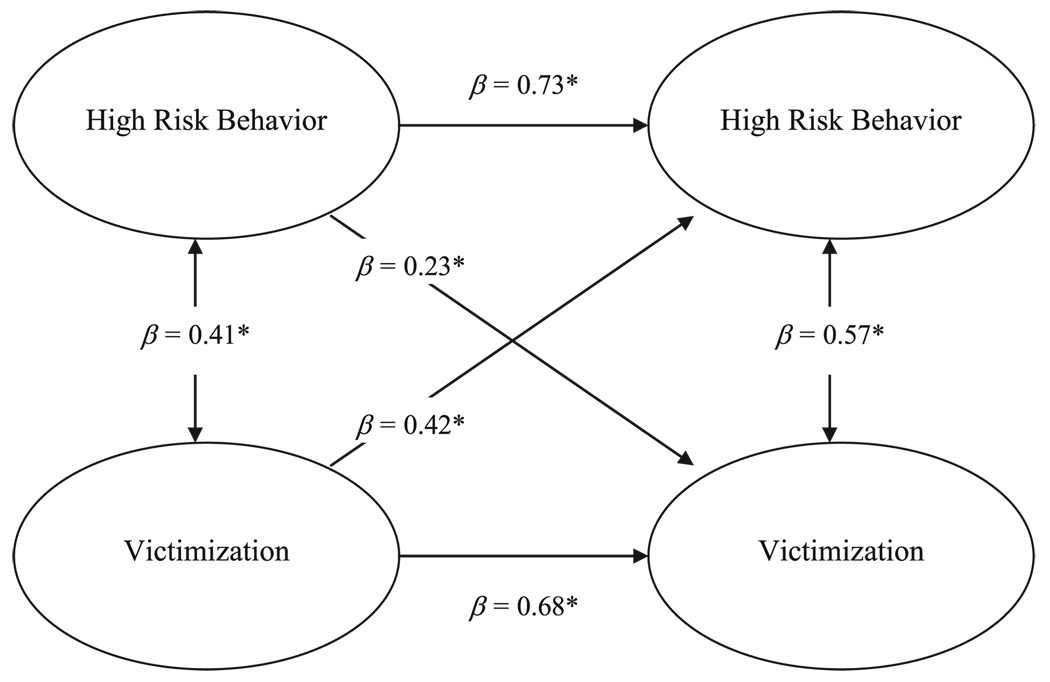
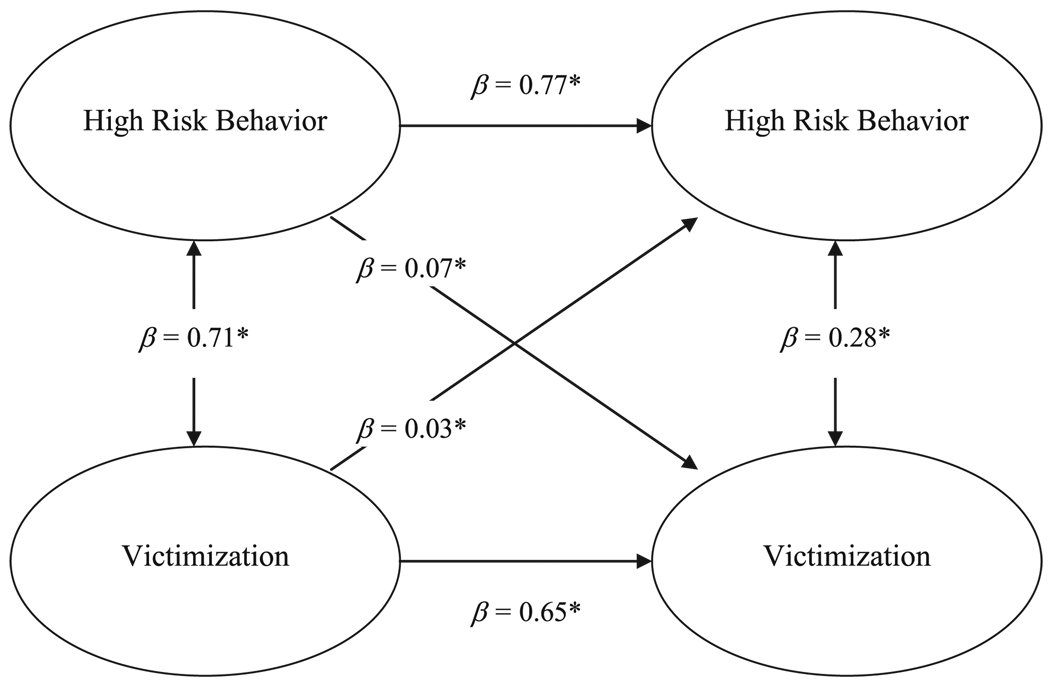
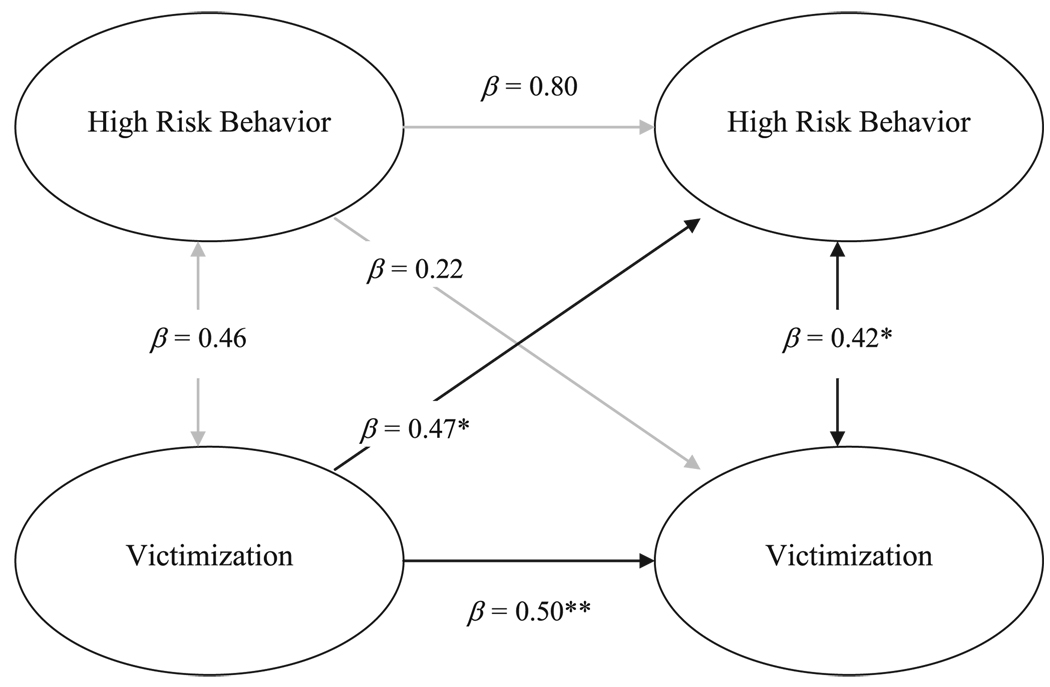
Using a nationally representative sample of 3614 adolescents, age 12 to 17 years, this study examines longitudinal associations among interpersonal victimization (i.e., sexual abuse, physical abuse and/or assault, and witnessed community and domestic violence) and high risk behavior (i.e., alcohol use, drug use, and delinquent behavior). A bidirectional relationship was hypothesized between high risk behavior and victimization for the full sample. Descriptive results indicated that a high correlation between types of high risk behavior, with over 50% of adolescents having engaged in at least one type of high risk behavior by Wave 2 in the study. Results suggested strong links between victimization and high risk behaviors, whereas sequential order of the constructs across time was dependent on gender and type of victimization. Specifically, hypotheses concerning victimization and high risk behavior were fully supported with boys, but different patterns emerged in the data for girls.
Copyright © 2010 Elsevier Ltd. All rights reserved.
Conflict of interest statement
There are no conflicts of interest in this manuscript.
Figures
References
-
- Baker TB, Piper ME, McCarthy DE, Majeskie MR, Fiore MC. Addiction motivation reformulated: An affective processing model of negative reinforcement. Psychological Review. 2004;111:33–51. - PubMed
-
- Bentler PM, Bonett DG. Significance tests and goodness-of-fit in the analysis of covariance structures. Psychological Bulletin. 1980;88:588–600.
-
- Centers for Disease Control and Prevention (CDC) Youth Risk Behavior Surveillance – United States. MMWR Morb Mortal Wkly Rep 2006. 2005;vol. 55(SS-5):1–112.
-
- Cohen J. Statistical Power Analysis for the Behavioral Sciences (2nd ed.) Hillsdale, NJ: Erlbaum; 1988.
-
- Danielson CK. Risk reduction through family therapy treatment manual. Charleston, SC: National Crime Victims Research and Treatment Center; 2006.
