


Identifying targets for preventing epilepsy using systems biology
- PMID: 21382442
- PMCID: PMC3109107
- DOI: 10.1016/j.neulet.2011.02.041
Identifying targets for preventing epilepsy using systems biology
Abstract
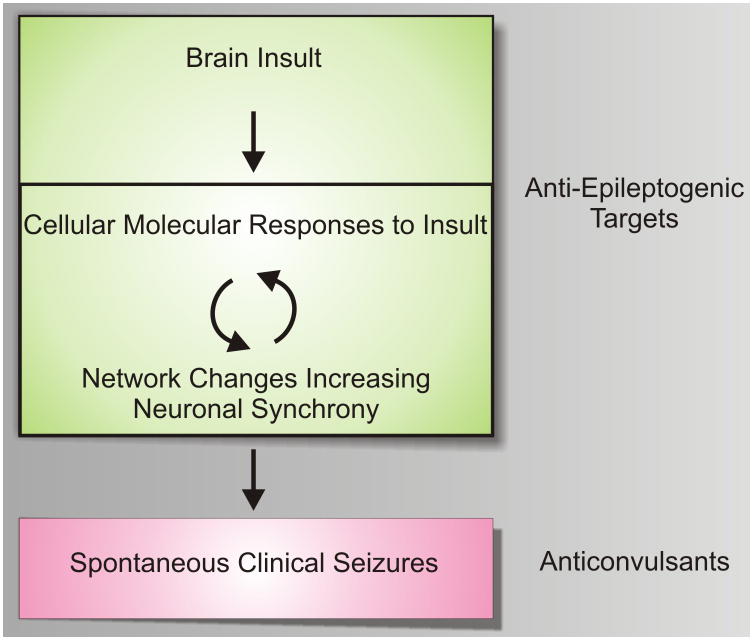
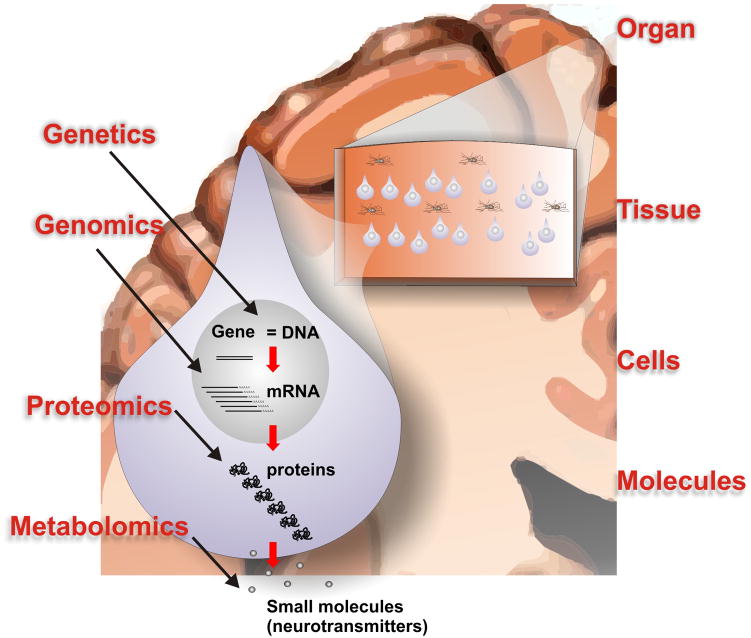
While there are a plethora of medications that block seizures, these same drugs have little effect on preventing or curing epilepsy. This suggests that the molecular pathways for epileptogenesis are distinct from those that produce acute seizures and therefore will require the identification of novel truly 'antiepileptic' therapeutics. Identification and testing of potential antiepileptic drug targets first in animal models and then in humans is thus becoming an important next step in the battle against epilepsy. In focal forms of human epilepsy the battle, however, is complicated by the large and varied types of brain abnormalities capable of producing a state of chronic, recurrent seizures. Unfortunately, once the epileptic state develops, it often persists to produce a life-long seizure disorder that can only be suppressed by anticonvulsant medications, and cured only in some through surgical resection of the seizure focus. While deductive approaches to drug target identification use our current state of knowledge, based mostly on animal models of epileptogenesis, a growing reductionist approach often referred to as systems biology takes advantage of newer high-throughput technologies to profile large numbers and types of molecules simultaneously. Some of these approaches, such as functional genomics, proteomics, and metabolomics have been undertaken in both human and animal epileptic brain tissues and are beginning to hone in on new therapeutic targets. While these methods are highly sensitive, this same sensitivity also produces a high rate of false positives due to variables other than those of interest. The experimental design, therefore, needs to be tightly controlled to reduce these unintended results that can be misleading. Most importantly, epileptogenic targets need to be validated in animal models of epileptogenesis, so that, if successful, these new methods have the potential to identify unbiased, important new therapeutics.
Copyright © 2011 Elsevier Ireland Ltd. All rights reserved.
Figures
References
-
- Andrade DM. Genetic basis in epilepsies caused by malformations of cortical development and in those with structurally normal brain. Hum Genet. 2009;126:173–93. - PubMed
-
- Annegers JF. The Epidemiology of Epilepsy. In: Wyllie E, editor. The Treatment of Epilepsy: Principles and Practices. Lea & Febiger; Philadelphia: 1993. pp. 157–164.
-
- Arion D, Sabatini M, Unger T, Pastor J, Alonso-Nanclares L, Ballesteros-Yanez I, Garcia Sola R, Munoz A, Mirnics K, DeFelipe J. Correlation of transcriptome profile with electrical activity in temporal lobe epilepsy. Neurobiol Dis. 2006;22:374–87. - PubMed
-
- Aronica E, Gorter JA. Gene expression profile in temporal lobe epilepsy. Neuroscientist. 2007;13:100–8. - PubMed
Publication types
MeSH terms
Substances
Grants and funding
LinkOut - more resources
Full Text Sources
Other Literature Sources
Medical
