


Stem cell technology for the study and treatment of motor neuron diseases
- PMID: 21391854
- PMCID: PMC3154698
- DOI: 10.2217/rme.11.6
Stem cell technology for the study and treatment of motor neuron diseases
Erratum in
- Regen Med. 2011 Jul;6(4):536
Abstract
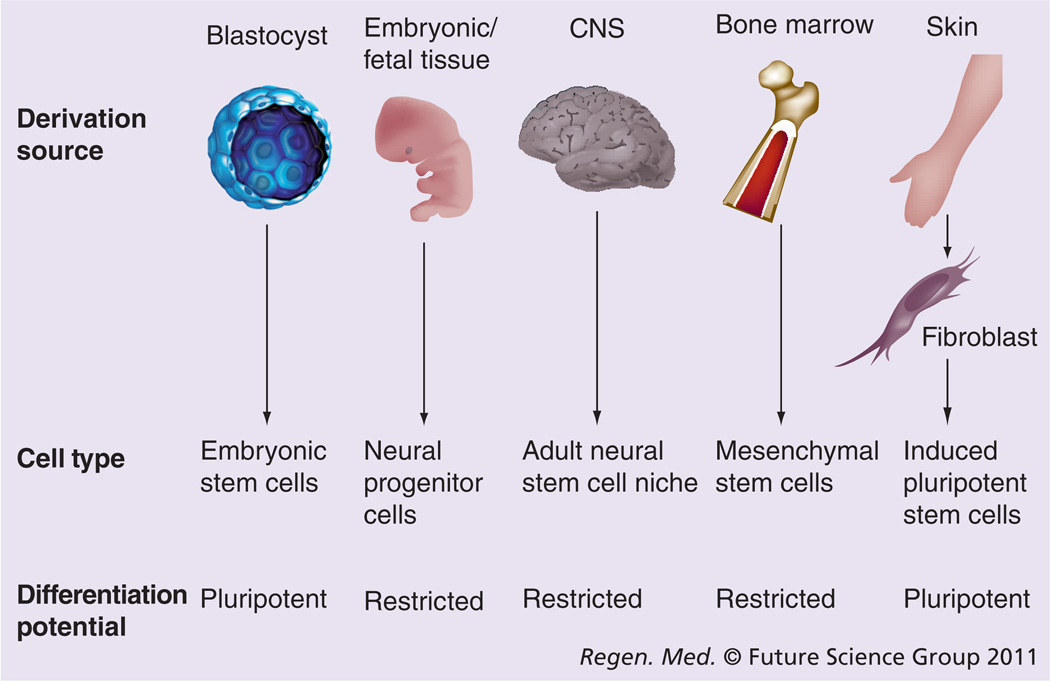
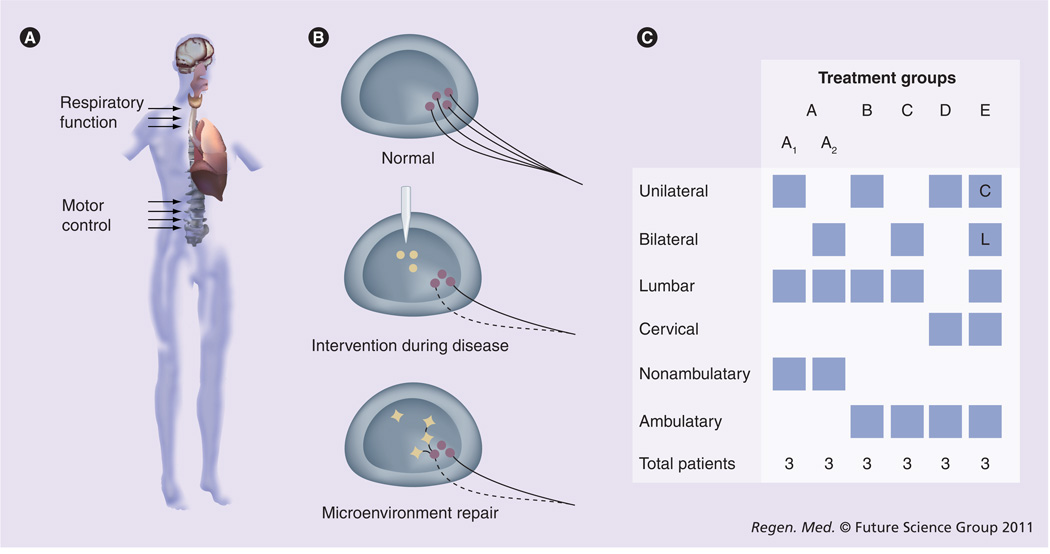
Amyotrophic lateral sclerosis and spinal muscular atrophy are devastating neurodegenerative diseases that lead to the specific loss of motor neurons. Recently, stem cell technologies have been developed for the investigation and treatment of both diseases. Here we discuss the different stem cells currently being studied for mechanistic discovery and therapeutic development, including embryonic, adult and induced pluripotent stem cells. We also present supporting evidence for the utilization of stem cell technology in the treatment of amyotrophic lateral sclerosis and spinal muscular atrophy, and describe key issues that must be considered for the transition of stem cell therapies for motor neuron diseases from bench to bedside. Finally, we discuss the first-in-human Phase I trial currently underway examining the safety and feasibility of intraspinal stem cell injections in amyotrophic lateral sclerosis patients as a foundation for translating stem cell therapies for various neurological diseases.
Conflict of interest statement
The authors have no other relevant affiliations or financial involvement with any organization or entity with a financial interest in or financial conflict with the subject matter or materials discussed in the manuscript apart from those disclosed.
No writing assistance was utilized in the production of this manuscript.
Figures
References
-
- Murry CE, Keller G. Differentiation of embryonic stem cells to clinically relevant populations: lessons from embryonic development. Cell. 2008;132(4):661–680. - PubMed
-
- Kim SU. Human neural stem cells genetically modified for brain repair in neurological disorders. Neuropathology. 2004;24(3):159–171. - PubMed
-
-
Xu L, Yan J, Chen D, et al. Human neural stem cell grafts ameliorate motor neuron disease in SOD-1 transgenic rats. Transplantation. 2006;82(7):865–875. ▪▪ Demonstrates the therapeutic efficacy of human neural stem cells in the amyotrophic lateral sclerosis rat model, which provides support for the use of these cells in the current trial.
-
-
- Garzon-Muvdi T, Quinones-Hinojosa A. Neural stem cell niches and homing: recruitment and integration into functional tissues. ILAR J. 2009;51(1):3–23. - PubMed
Publication types
MeSH terms
Grants and funding
LinkOut - more resources
Full Text Sources
Other Literature Sources
Medical
