


Impact of myocyte strain on cardiac myofilament activation
- PMID: 21409385
- PMCID: PMC3115504
- DOI: 10.1007/s00424-011-0952-3
Impact of myocyte strain on cardiac myofilament activation
Abstract
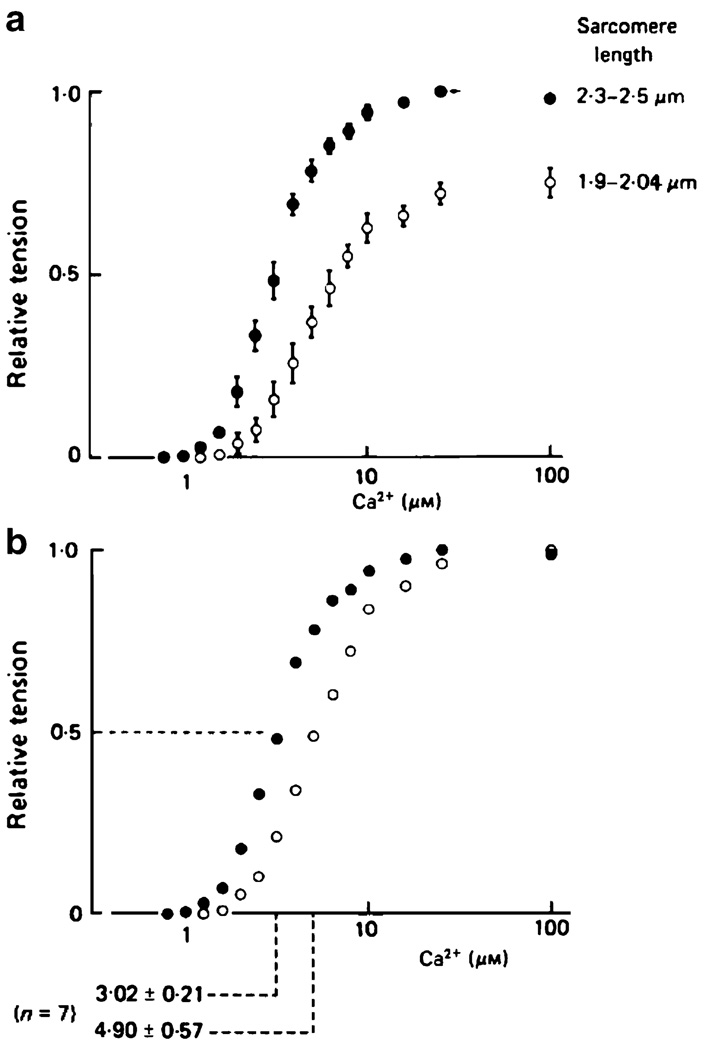
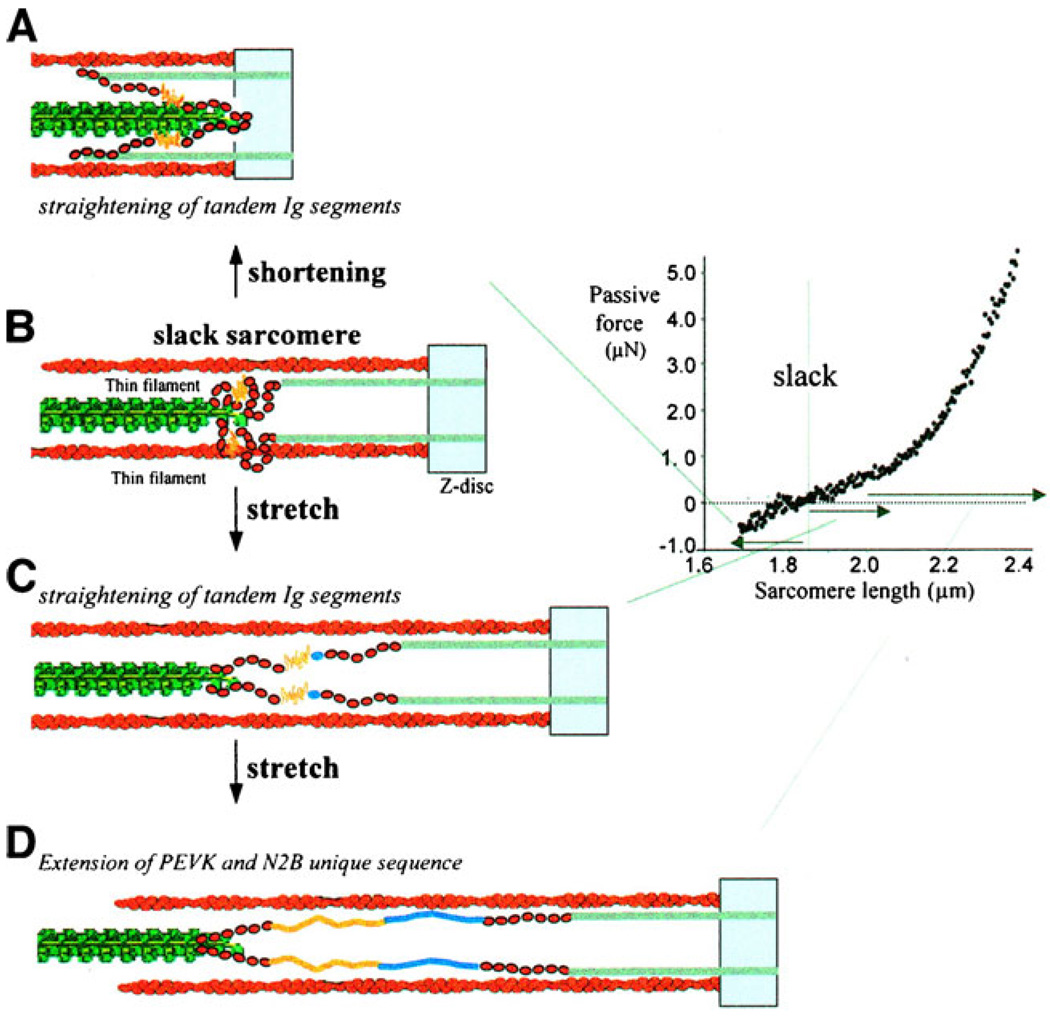
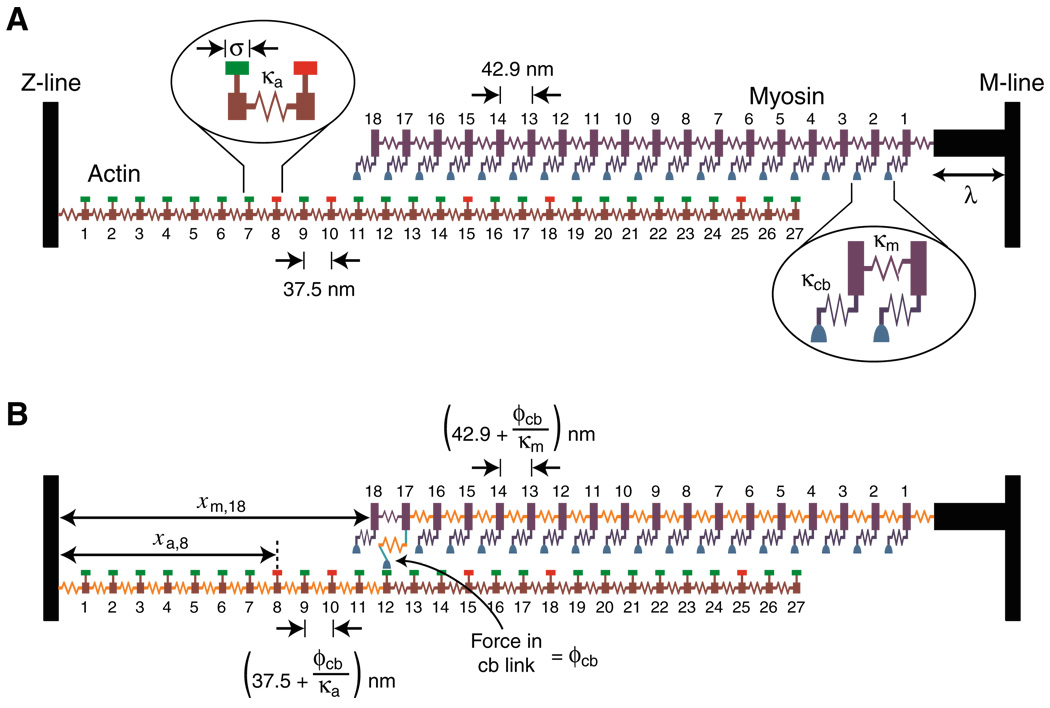
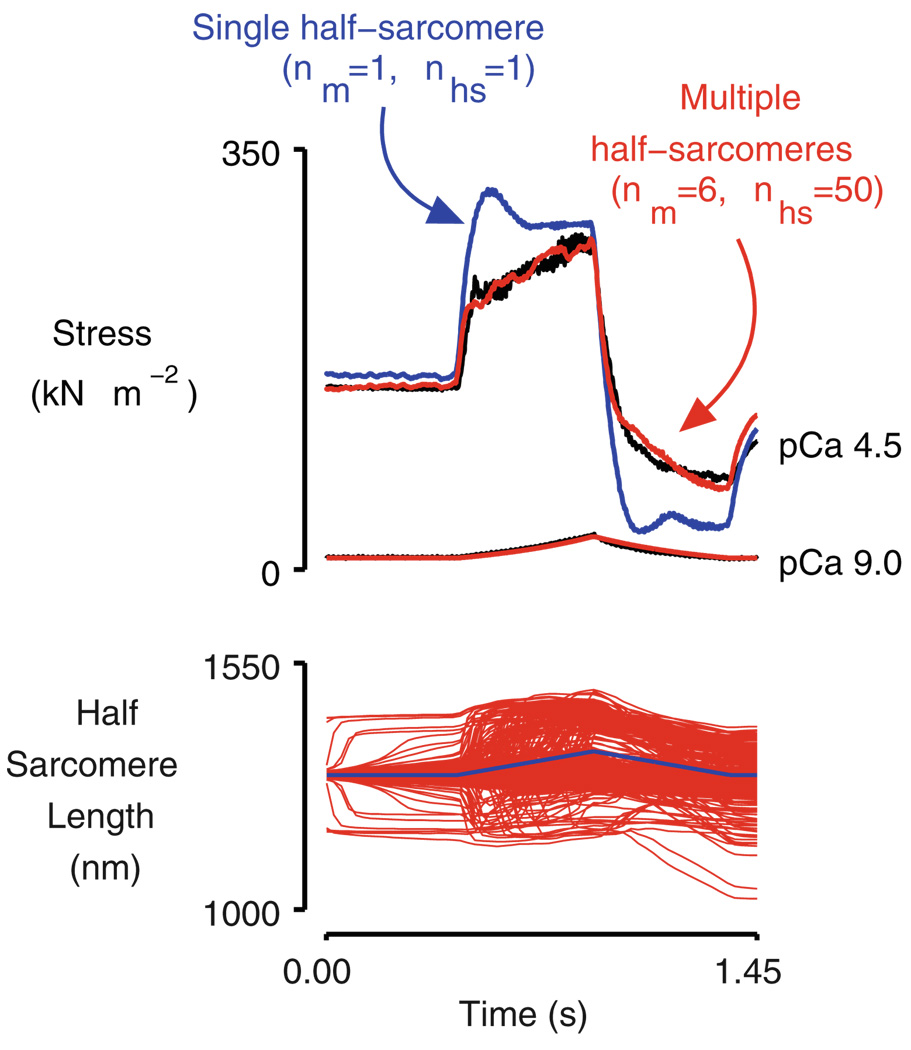
When cardiac myocytes are stretched by a longitudinal strain, they develop proportionally more active force at a given sub-maximal Ca(2+) concentration than they did at the shorter length. This is known as length-dependent activation. It is one of the most important contributors to the Frank-Starling relationship, a critical part of normal cardiovascular function. Despite intense research efforts, the mechanistic basis of the Frank-Starling relationship remains unclear. Potential mechanisms involving myofibrillar lattice spacing, titin-based effects, and cooperative activation have all been proposed. This review summarizes some of these mechanisms and discusses two additional potential theories that reflect the effects of localized strains that occur within and between half-sarcomeres. The main conclusion is that the Frank-Starling relationship is probably the integrated result of many interacting molecular mechanisms. Multiscale computational modeling may therefore provide the best way of determining the key processes that underlie length-dependent activation and their relative strengths.
Figures
References
-
- Allingham JS, Smith R, Rayment I. The structural basis of blebbistatin inhibition and specificity for myosin II. Nat Struct Mol Biol. 2005;12:378–379. - PubMed
Publication types
MeSH terms
Substances
Grants and funding
LinkOut - more resources
Full Text Sources
Miscellaneous
