


Prominent expression of sialyl Lewis X-capped core 2-branched O-glycans on high endothelial venule-like vessels in gastric MALT lymphoma
- PMID: 21432854
- PMCID: PMC3076943
- DOI: 10.1002/path.2851
Prominent expression of sialyl Lewis X-capped core 2-branched O-glycans on high endothelial venule-like vessels in gastric MALT lymphoma
Abstract
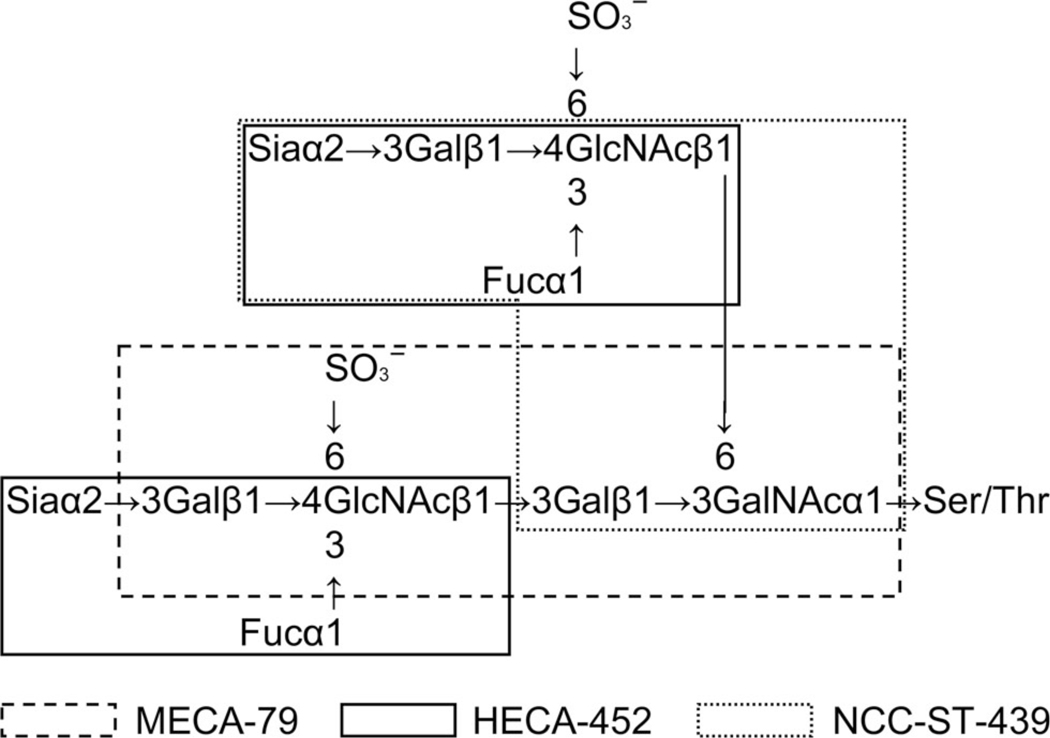
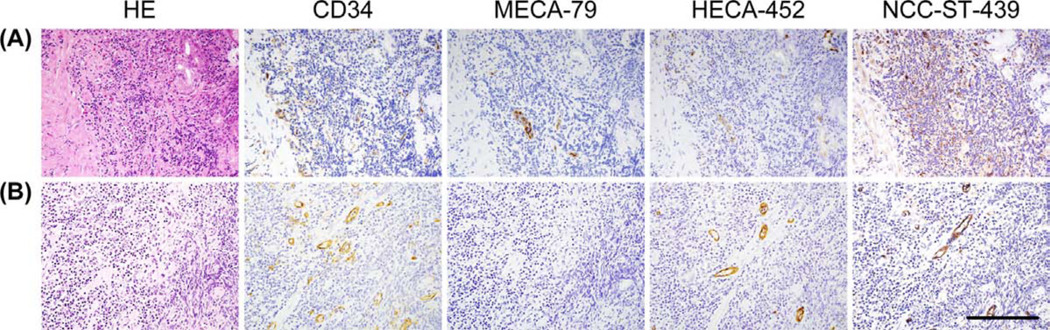
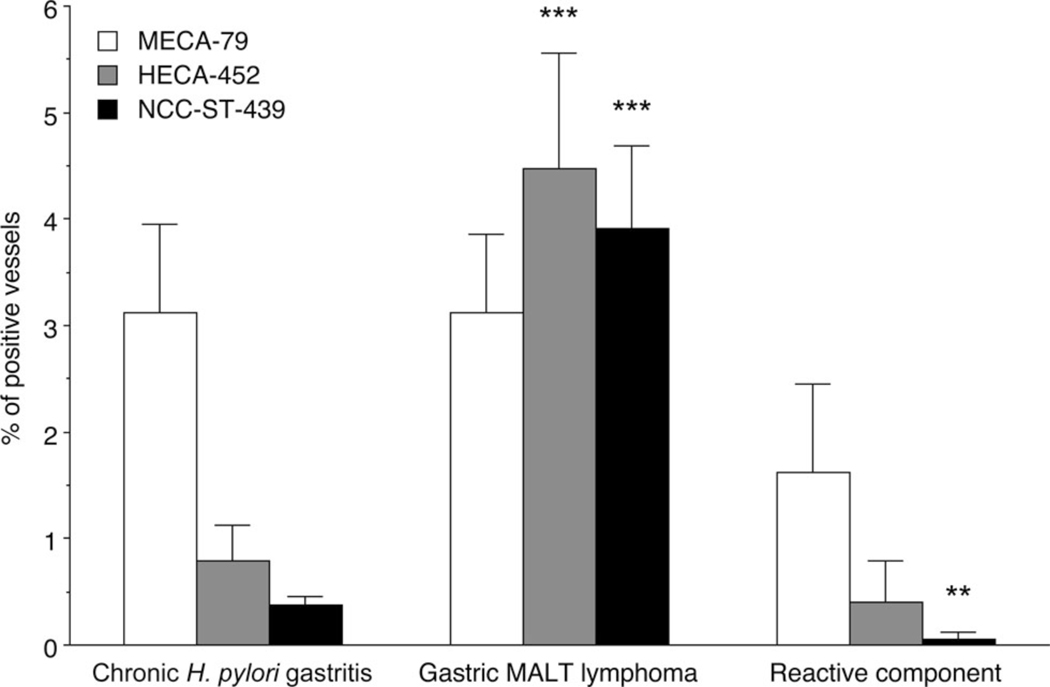
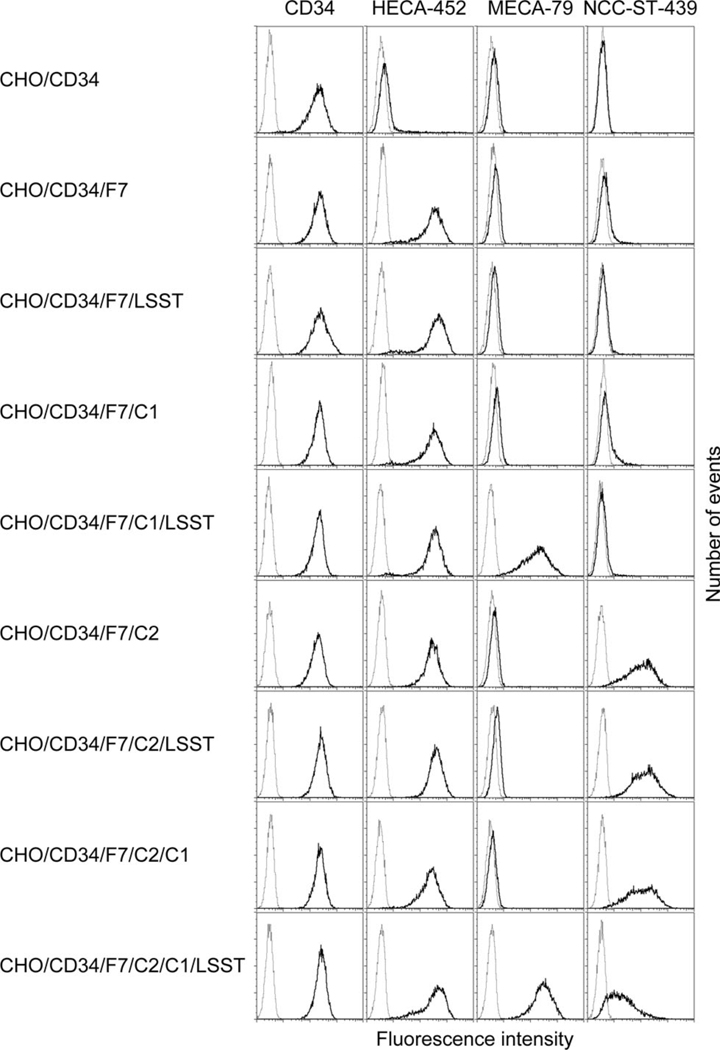
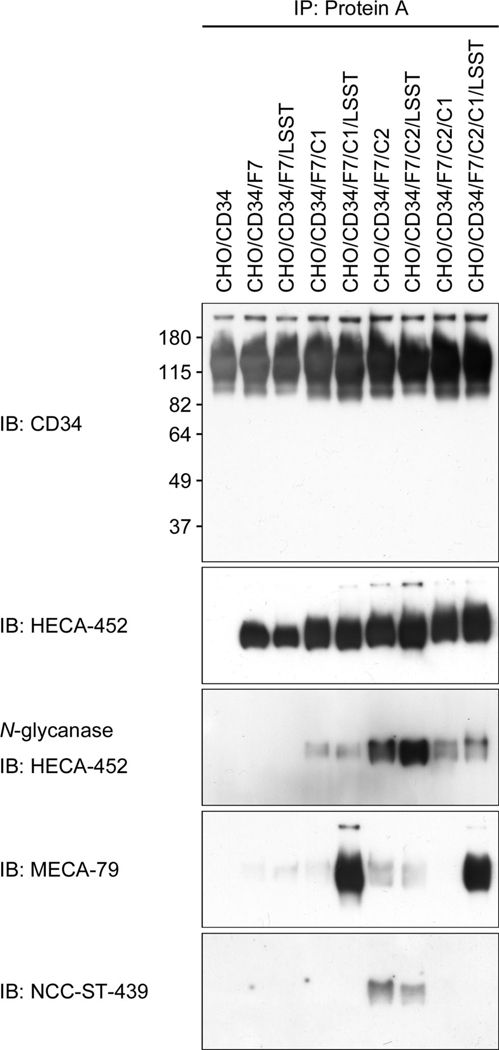
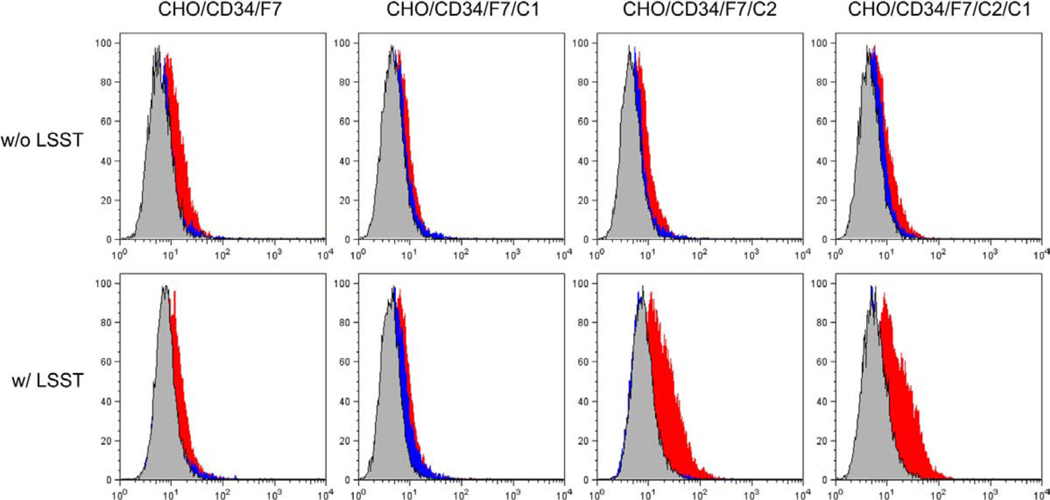
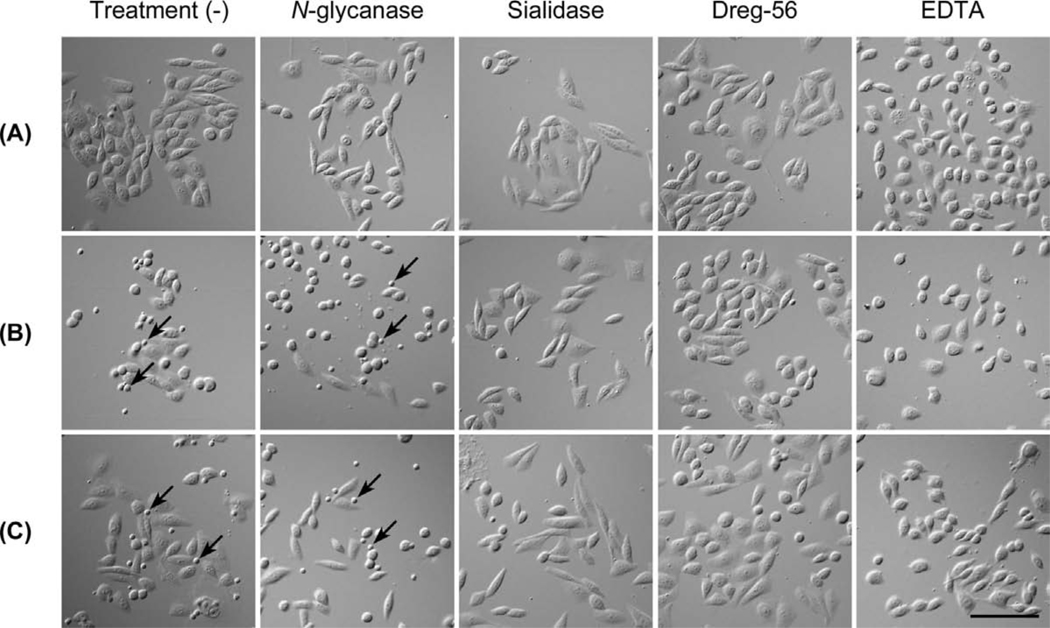
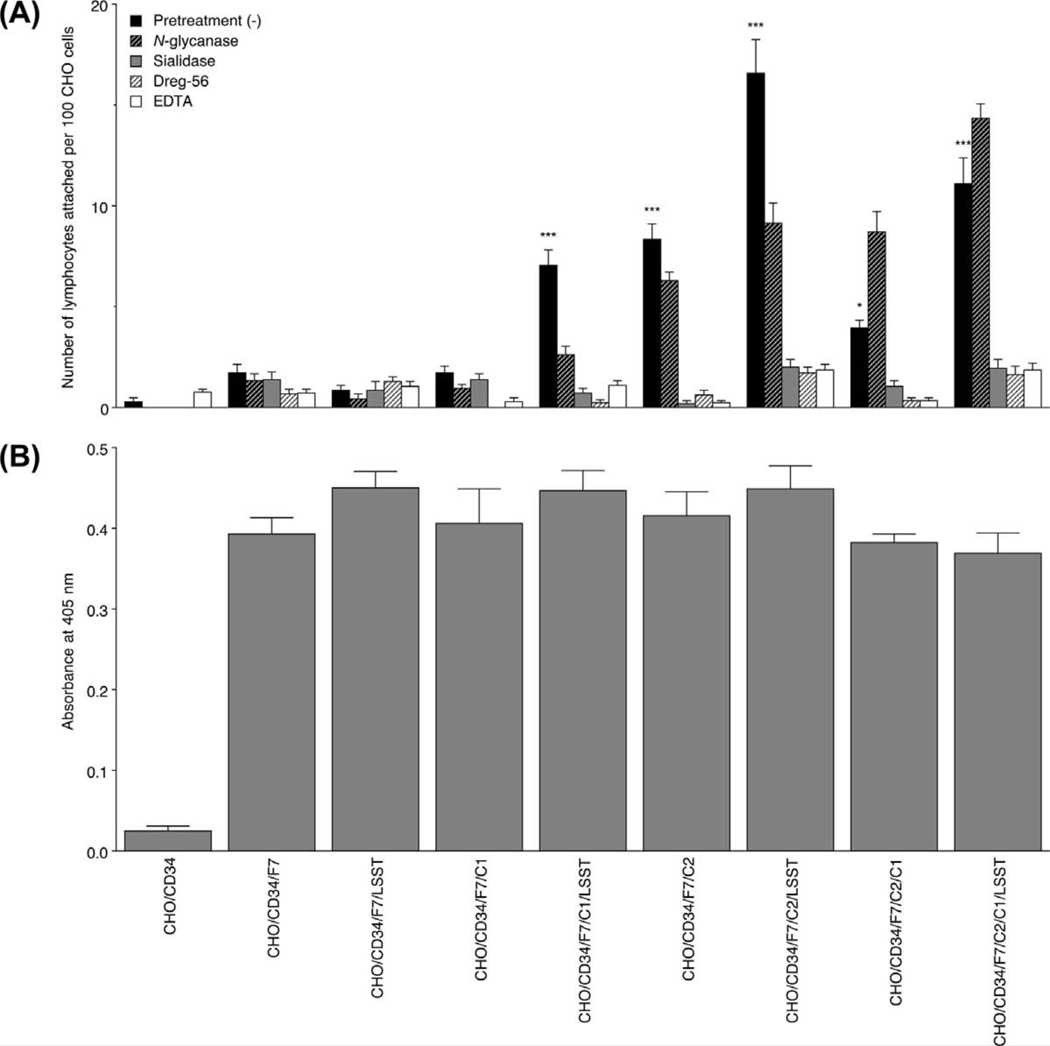
High endothelial venule (HEV)-like vessels have been observed in gastric B cell lymphoma of mucosa-associated lymphoid tissue type (MALT lymphoma), as well as in its preceding lesion, chronic Helicobacter pylori gastritis. Previously we reported that glycans on HEV-like vessels in the latter lesion served as L-selectin ligands, although their function is unclear. We have investigated sialyl Lewis X (sLeX)-related glycoepitopes and found that MECA-79(-) /HECA-452(+) /NCC-ST-439(+) HEV-like vessels preferentially mark gastric MALT lymphoma compared to chronic H. pylori gastritis. We then constructed CHO cell lines expressing potential MECA-79(-) /HECA-452(+) /NCC-ST-439(+) glycans, as well as other sLeX-type glycans, on CD34 and evaluated L-selectin binding to those cells, using L-selectin-IgM chimera binding and lymphocyte adhesion assays. L-selectin-IgM chimeras bound to CHO cells expressing 6-sulpho-sLeX attached to core 2-branched O-glycans with or without 6-sulpho-sLeX attached to extended core 1 O-glycans, but only marginally to other CHO cell lines. By contrast, CHO cells expressing 6-sulpho-sLeX attached to extended core 1 and/or core 2-branched O-glycans, as well as non-sulphated sLeX attached to core 2-branched O-glycans, showed substantial lymphocyte binding, while binding was negligible on lines expressing 6-sulpho- and non-sulphated sLeX attached to N-glycans and non-sulphated sLeX attached to extended core 1 O-glycans. These results indicate that MECA-79(-) /HECA-452(+) /NCC-ST-439(+) glycans, specifically, 6-sulpho- and non-sulphated sLeXs attached to core 2-branched O-glycans, expressed on HEV-like vessels in gastric MALT lymphoma function as L-selectin ligands and likely contribute to H. pylori-specific T cell recruitment in the progression of gastric MALT lymphoma.
Copyright © 2011 Pathological Society of Great Britain and Ireland. Published by John Wiley & Sons, Ltd.
Conflict of interest statement
No conflicts of interest were declared.
Figures
References
-
- Freeman C, Berg JW, Cutler SJ. Occurrence and prognosis of extranodal lymphomas. Cancer. 1972;29:252–260. - PubMed
-
- Isaacson PG, Huller-Hermelink HK, Paris MA, et al. Extranodal marginal zone B-cell lymphoma of mucosa-associated lymphoid tissue (MALT lymphoma) In: Jaffe ES, Harris NL, Stein H, et al., editors. World Health Organization Classification of Tumors. Pathology and Genetics of Tumors of Haematopoietic and Lymphoid Tissues. Lyon: IARC Press; 2001. pp. 157–160.
-
- Wotherspoon AC, Ortiz-Hidalgo C, Falzon MR, et al. Helicobacter pylori-associated gastritis and primary B-cell gastric lymphoma. Lancet. 1991;338:1175–1176. - PubMed
-
- Hussell T, Isaacson PG, Crabtree JE, et al. Helicobacter pylori-specific tumour-infiltrating T-cells provide contact dependent help for the growth of malignant B cells in low-grade gastric lymphoma of mucosa-associated lymphoid tissue. J Pathol. 1996;178:122–127. - PubMed
-
- Hussell T, Isaacson PG, Crabtree JE, et al. The response of cells from low-grade B-cell gastric lymphomas of mucosa-associated lymphoid tissue to Helicobacter pylori. Lancet. 1993;342:571–574. - PubMed
Publication types
MeSH terms
Substances
Grants and funding
LinkOut - more resources
Full Text Sources
Other Literature Sources
Medical
