


Noninvasive brain stimulation may improve stroke-related dysphagia: a pilot study
- PMID: 21441148
- PMCID: PMC3116809
- DOI: 10.1161/STROKEAHA.110.602128
Noninvasive brain stimulation may improve stroke-related dysphagia: a pilot study
Abstract
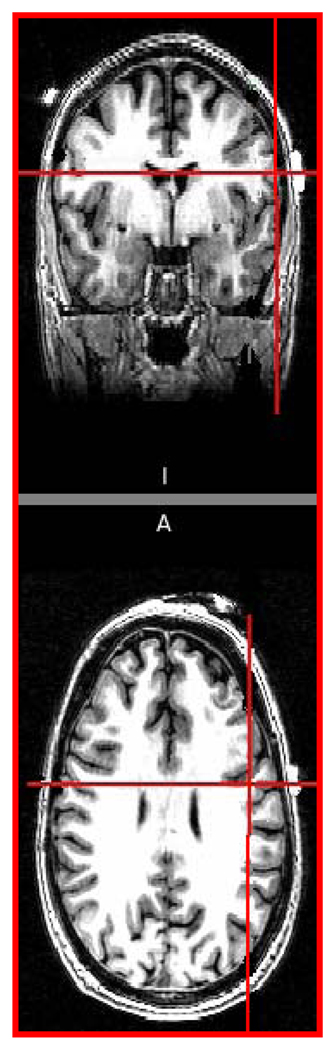
Background and purpose: Treatment options for stroke-related dysphagia are currently limited. In this study, we investigated whether noninvasive brain stimulation in combination with swallowing maneuvers facilitates swallowing recovery in dysphagic stroke patients during early stroke convalescence.
Methods: Fourteen patients with subacute unilateral hemispheric infarction were randomized to anodal transcranial direct current stimulation (tDCS) versus sham stimulation to the sensorimotor cortical representation of swallowing in the unaffected hemisphere over the course of 5 consecutive days with concurrent standardized swallowing maneuvers. Severity of dysphagia was measured using a validated swallowing scale, Dysphagia Outcome and Severity scale, before the first and after the last session of tDCS or sham. The effect of tDCS was analyzed in a multivariate linear regression model using changes in Dysphagia Outcome and Severity Scale as the outcome variable after adjusting for the effects of other potential confounding variables such as the National Institutes of Health Stroke Scale and Dysphagia Outcome and Severity scale scores at baseline, acute ischemic lesion volumes, patient age, and time from stroke onset to stimulation.
Results: Patients who received anodal tDCS gained 2.60 points of improvement in Dysphagia Outcome and Severity scale scores compared to patients in the sham stimulation group who showed an improvement of 1.25 points (P=0.019) after controlling for the effects of other aforementioned variables. Six out 7 (86%) patients in tDCS stimulation group gained at least 2 points of improvement compared with 3 out 7 (43%) patients in the sham group (P=0.107).
Conclusions: Because brain stem swallowing centers have bilateral cortical innervations, measures that enhance cortical input and sensorimotor control of brain stem swallowing may be beneficial for dysphagia recovery.
Conflict of interest statement
Figures
References
-
- Martino R, Foley N, Bhogal S, Diamant N, Speechley M, Teasel R. Dysphagia after stroke. Incidence, diagnosis, and pulmonary complications. Stroke. 2005;36:2756–2763. - PubMed
-
- Turney TM, Garraway WM, Whisnant JP. The natural history of hemispheric and brainstem infarction in Rochester Minnesota. Stroke. 1984;15:790–794. - PubMed
-
- Langmore SE, Terpenning MS, Schork A, Chen Y, Murray JT, Lopatin D, Loesche WJ. Predictors of aspiration pneumonia: how important is dysphagia? Dysphagia. 1998;13:69–81. - PubMed
Publication types
MeSH terms
Grants and funding
- 5R01-HL46690-14/HL/NHLBI NIH HHS/United States
- 1R01-NS 045754-01A2/NS/NINDS NIH HHS/United States
- 1R01 DC008796/DC/NIDCD NIH HHS/United States
- R01 DC009823-01/DC/NIDCD NIH HHS/United States
- R01 DC008796/DC/NIDCD NIH HHS/United States
- R01 NS057127/NS/NINDS NIH HHS/United States
- 1R01-NS057127-01A1/NS/NINDS NIH HHS/United States
- 1R01-NS057127/NS/NINDS NIH HHS/United States
- U01 NS044876/NS/NINDS NIH HHS/United States
- R01 HL046690/HL/NHLBI NIH HHS/United States
- R01 DC009823/DC/NIDCD NIH HHS/United States
- 3R01DC008796-02S1/DC/NIDCD NIH HHS/United States
- R01 NS045049/NS/NINDS NIH HHS/United States
- 5UO1-NS044876-03/NS/NINDS NIH HHS/United States
LinkOut - more resources
Full Text Sources
Medical
