


Slowing down: age-related neurobiological predictors of processing speed
- PMID: 21441995
- PMCID: PMC3061488
- DOI: 10.3389/fnins.2011.00025
Slowing down: age-related neurobiological predictors of processing speed
Abstract
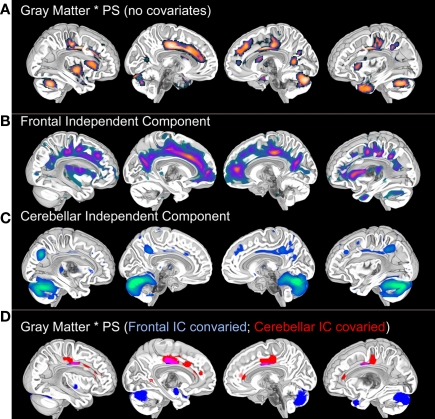
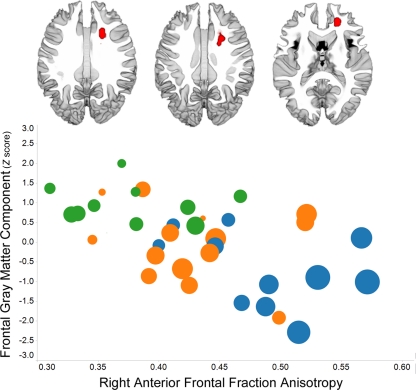
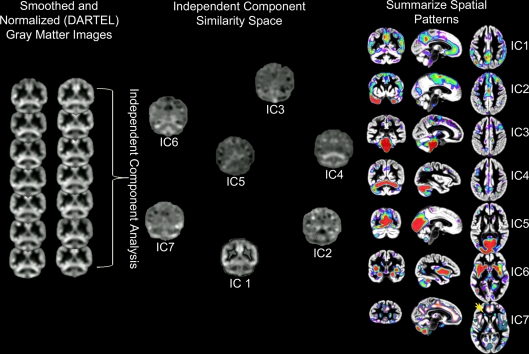
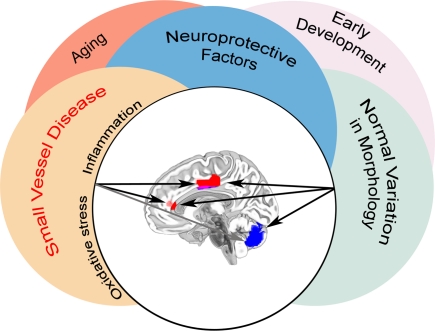
Processing speed, or the rate at which tasks can be performed, is a robust predictor of age-related cognitive decline and an indicator of independence among older adults. This review examines evidence for neurobiological predictors of age-related changes in processing speed, which is guided in part by our source based morphometry findings that unique patterns of frontal and cerebellar gray matter predict age-related variation in processing speed. These results, together with the extant literature on morphological predictors of age-related changes in processing speed, suggest that specific neural systems undergo declines and as a result slow processing speed. Future studies of processing speed - dependent neural systems will be important for identifying the etiologies for processing speed change and the development of interventions that mitigate gradual age-related declines in cognitive functioning and enhance healthy cognitive aging.
Keywords: aging; cerebellum; prefrontal; processing speed; source based morphometry.
Figures
References
-
- Almkvist O., Wahlund L. O., Andersson-Lundman G., Basun H., Backman L. (1992). White-matter hyperintensity and neuropsychological functions in dementia and healthy aging. Arch. Neurol. 49, 626–632 - PubMed
-
- Andersen B. B., Gundersen H. J., Pakkenberg B. (2003). Aging of the human cerebellum: a stereological study. J. Comp. Neurol. 466, 356–365 - PubMed
Grants and funding
LinkOut - more resources
Full Text Sources
