


Vitrification in open and closed carriers at different cell stages: assessment of embryo survival, development, DNA integrity and stability during vapor phase storage for transport
- PMID: 21450077
- PMCID: PMC3079628
- DOI: 10.1186/1472-6750-11-29
Vitrification in open and closed carriers at different cell stages: assessment of embryo survival, development, DNA integrity and stability during vapor phase storage for transport
Abstract
Background: High cooling rates with vitrification can be achieved through the use of carriers that allow cryopreservation in fluid volumes < one μl. Open carriers allow direct contact of embryos with liquid nitrogen (LN2) whereas closed carrier systems sequester the embryo within a sealed system during immersion in LN2. The use of closed systems may be preferable to reduce the possibility of cross-contamination. In the present study, we compare open and closed carriers for vitrification of embryos. We also examine their ability to retain embryo viability during vapor phase transport.
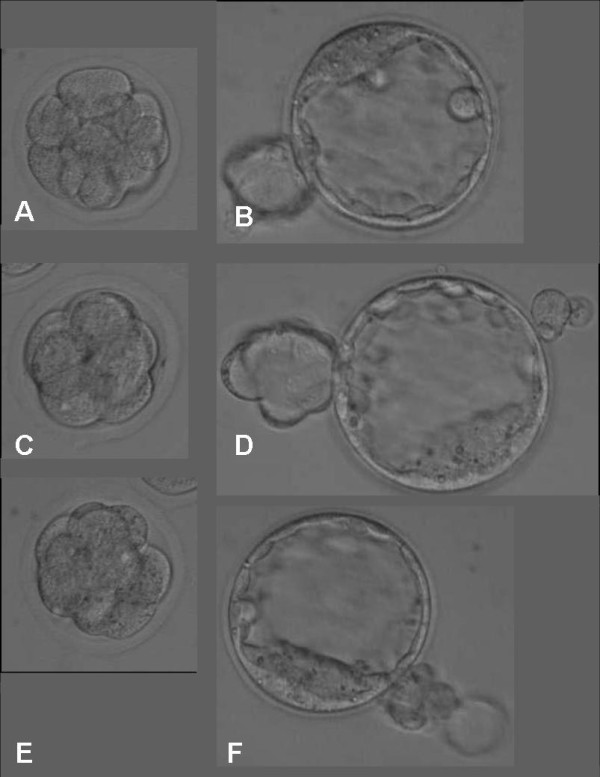
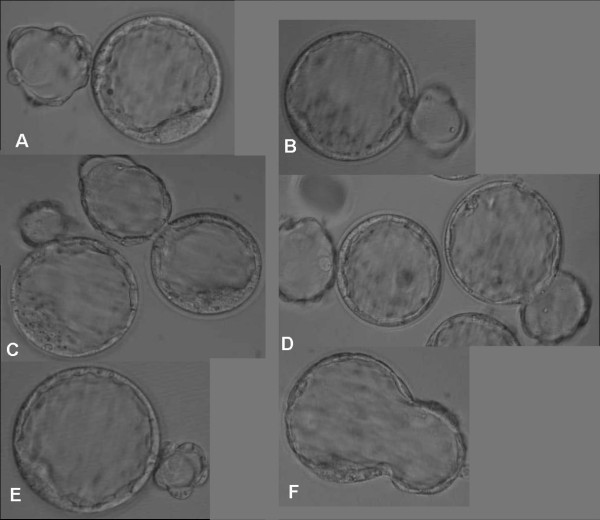
Methods: Frozen one-cell mouse embryos were thawed and randomly allocated to treatment groups. Embryos were cultured and vitrified at the 8-cell (CL) or at the blastocyst (BL) stage. The cryoloop, an open carrier was tested against two closed systems, the Cryotip and the HSV straw. Carriers were tested for their ability to maintain embryo viability when held in the vapor phase of a dry shipper for a period of 96 hours. Outcome parameters monitored were embryo survival, recovery, subsequent development and signs of DNA damage.
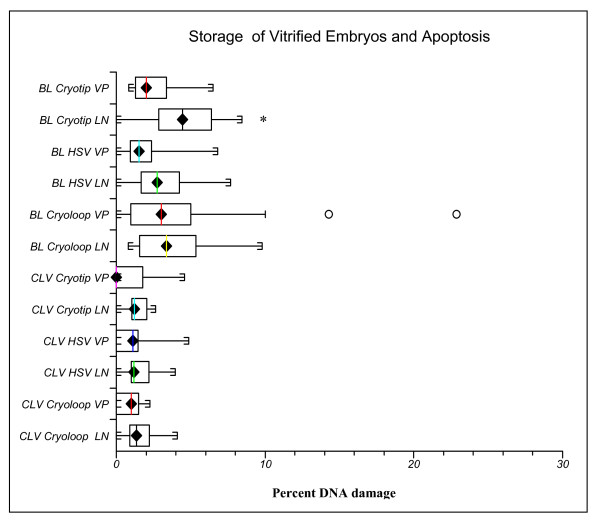
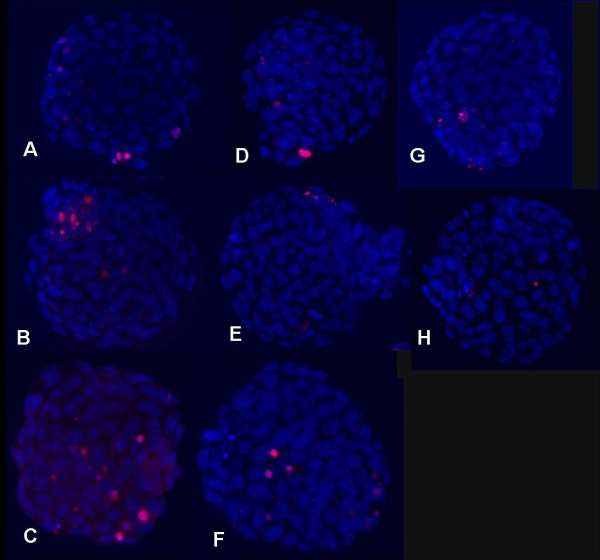
Results: A total of 561 embryos were vitrified. The only parameter significantly affected by the type of carrier was the percentage of embryos recovered after warming. Vitrification of both CL and BL stage embryos in the Cryotip resulted in significantly lower recovery rates (P < 0.001). The subsequent developmental parameters were unaffected by either the carrier or the cell stage. Vapor phase storage for 96 hours under "transport conditions" did not appear to adversely affect the viability after warming. Quantitative analysis for DNA damage showed that <5% of cells were TUNEL positive. Interestingly, the overall percent of cells exhibiting DNA damage was lower after CL stage vitrification (P < 0.001).
Conclusion: This study is one of the first to examine DNA integrity after vitrification on different carriers and at different cell stages. It also provides insight on relative safety of short term vapor storage of vitrified embryos during transport. Within the limits of this study we could not detect an adverse effect of vapor storage on blastomere DNA or other measured outcome parameters.
Figures
References
-
- Stachecki J. S3 Vitrification System: a novel approach to blastocyst freezing. Fertility magazine. 2009;11:30–36.
-
- Schwiewe M. MicroSecure Vitrification (uS-VTF) Procedures:Optimum simplicity, security, cost-savings and effectiveness combining FDA-approved products. Journal of Clinical Embryology. 2010;13:33–40.
MeSH terms
LinkOut - more resources
Full Text Sources
Other Literature Sources
