


Mitochondria-targeted antioxidants protect against mechanical ventilation-induced diaphragm weakness
- PMID: 21460706
- PMCID: PMC4995067
- DOI: 10.1097/CCM.0b013e3182190b62
Mitochondria-targeted antioxidants protect against mechanical ventilation-induced diaphragm weakness
Abstract
Background: Mechanical ventilation is a life-saving intervention used to provide adequate pulmonary ventilation in patients suffering from respiratory failure. However, prolonged mechanical ventilation is associated with significant diaphragmatic weakness resulting from both myofiber atrophy and contractile dysfunction. Although several signaling pathways contribute to diaphragm weakness during mechanical ventilation, it is established that oxidative stress is required for diaphragmatic weakness to occur. Therefore, identifying the site(s) of mechanical ventilation- induced reactive oxygen species production in the diaphragm is important.
Objective: These experiments tested the hypothesis that elevated mitochondrial reactive oxygen species emission is required for mechanical ventilation-induced oxidative stress, atrophy, and contractile dysfunction in the diaphragm.
Design: Cause and effect was determined by preventing mechanical ventilation-induced mitochondrial reactive oxygen species emission in the diaphragm of rats using a novel mitochondria-targeted antioxidant (SS-31).
Interventions: None.
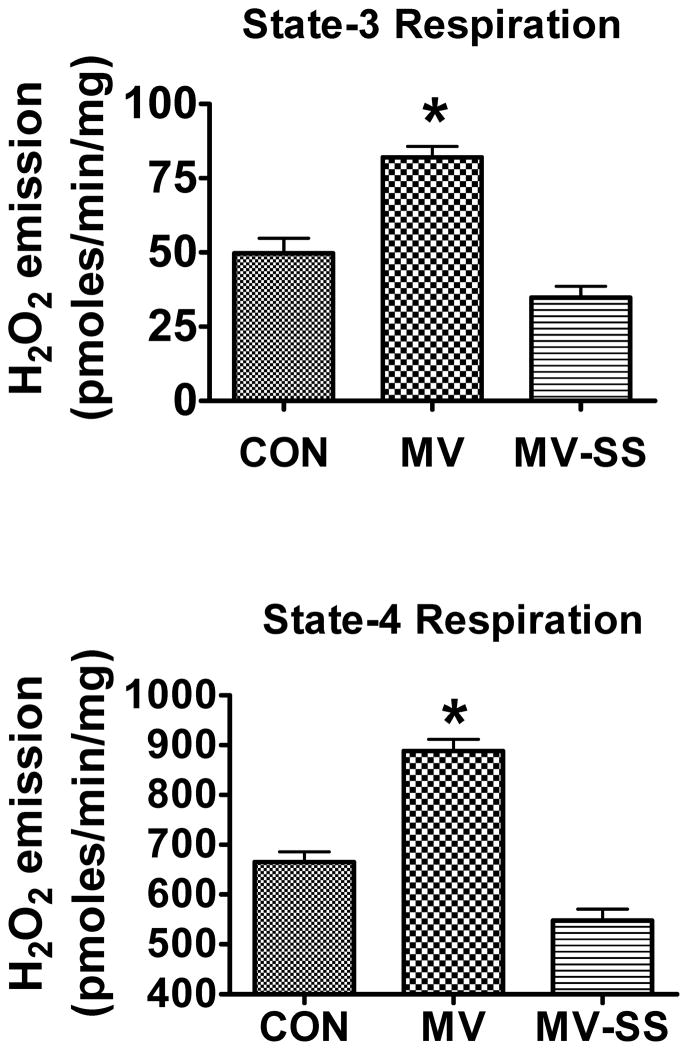
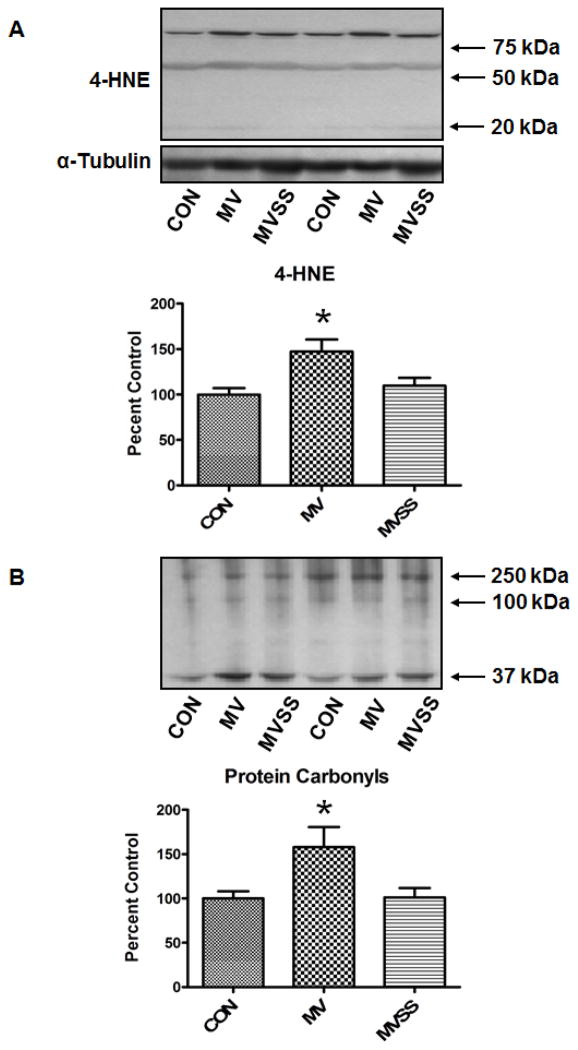
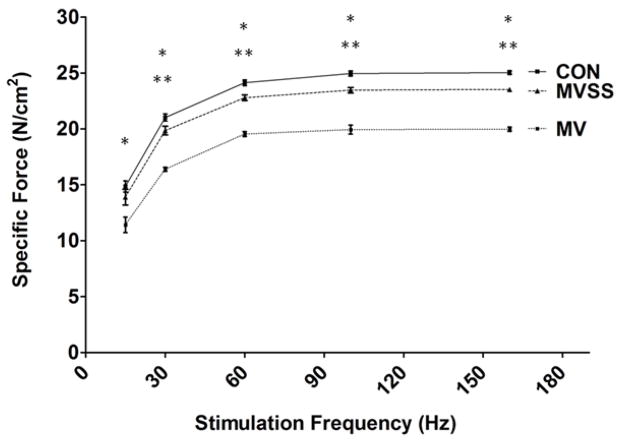
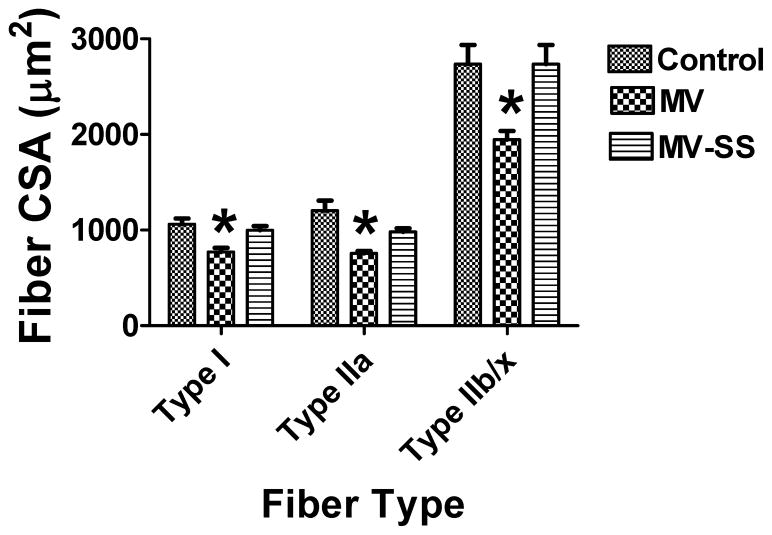
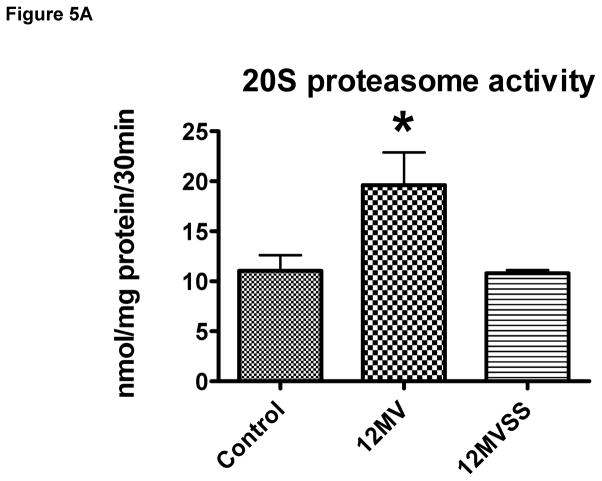
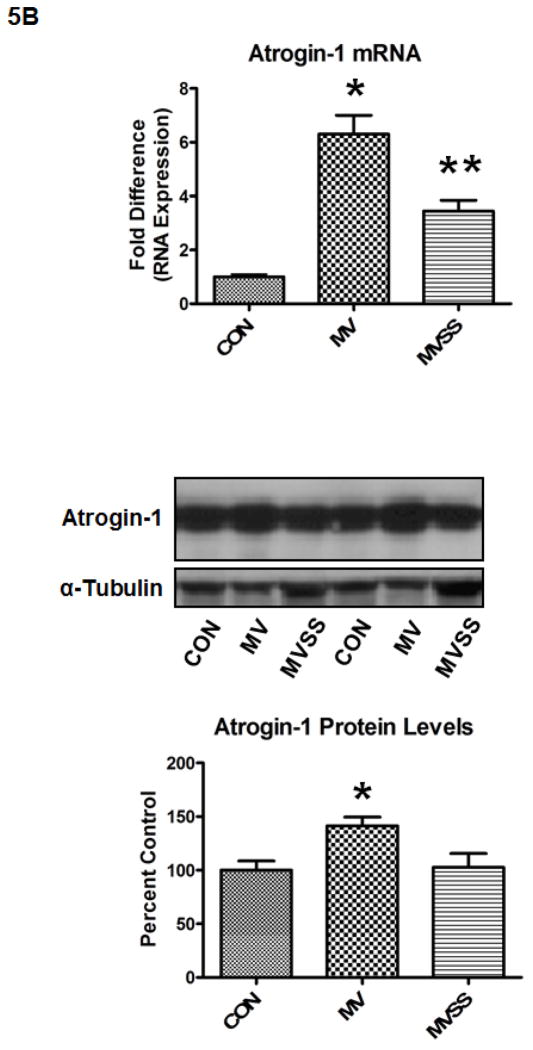
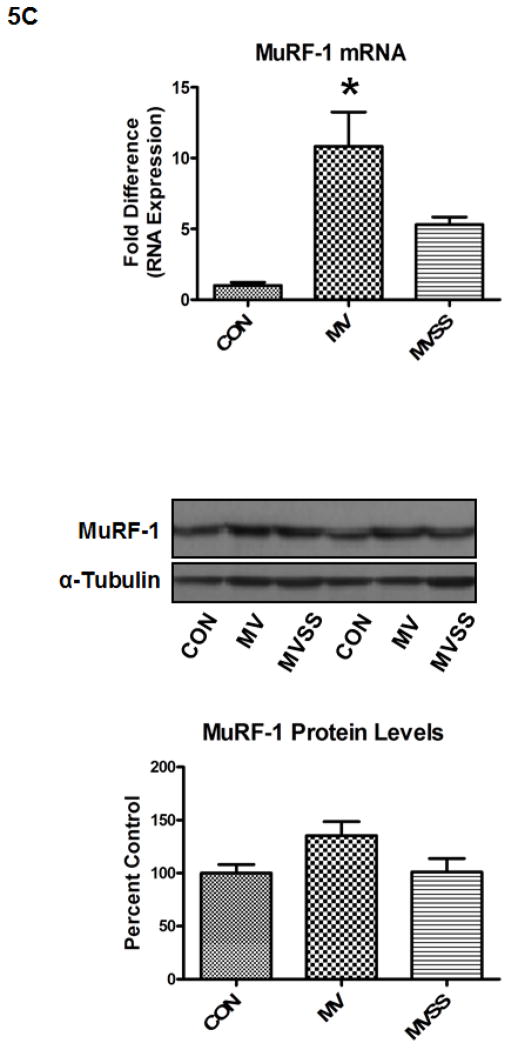
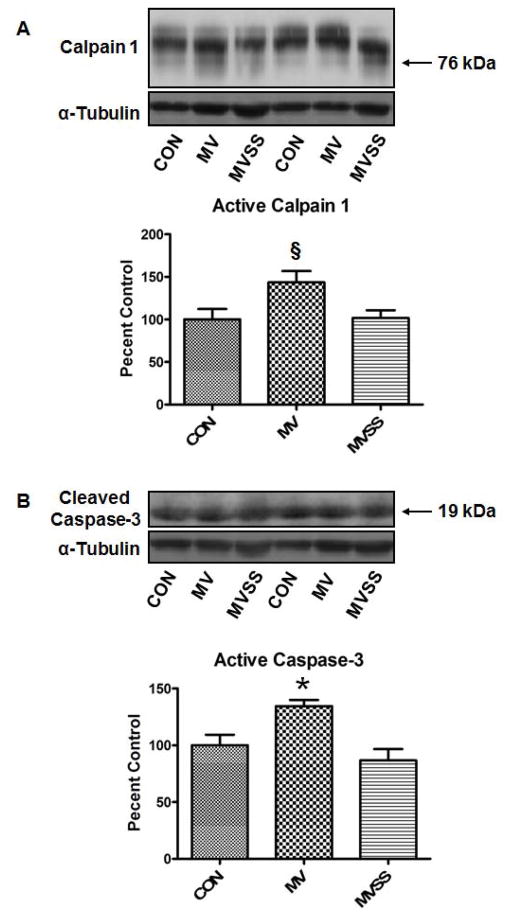
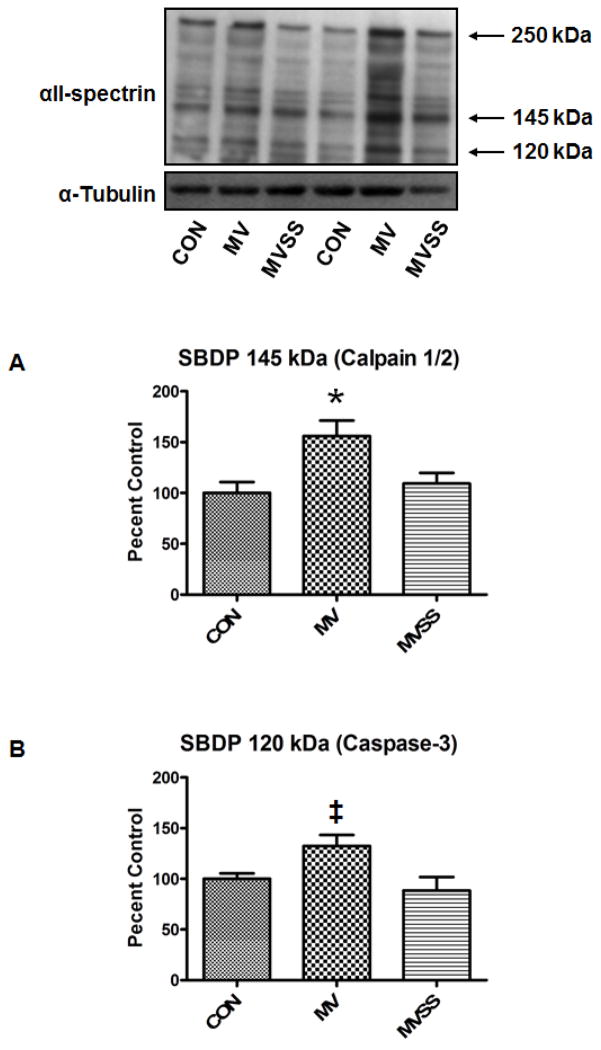
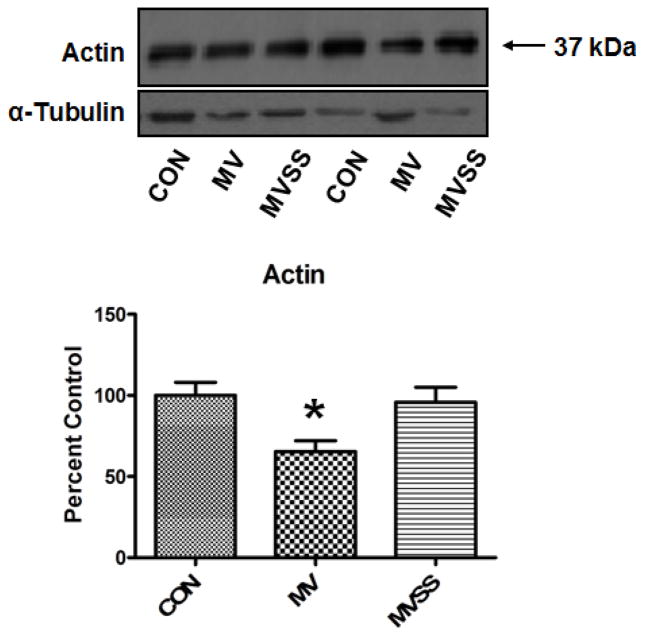
Measurements and main results: Compared to mechanically ventilated animals treated with saline, animals treated with SS-31 were protected against mechanical ventilation-induced mitochondrial dysfunction, oxidative stress, and protease activation in the diaphragm. Importantly, treatment of animals with the mitochondrial antioxidant also protected the diaphragm against mechanical ventilation-induced myofiber atrophy and contractile dysfunction.
Conclusions: These results reveal that prevention of mechanical ventilation-induced increases in diaphragmatic mitochondrial reactive oxygen species emission protects the diaphragm from mechanical ventilation-induced diaphragmatic weakness. This important new finding indicates that mitochondria are a primary source of reactive oxygen species production in the diaphragm during prolonged mechanical ventilation. These results could lead to the development of a therapeutic intervention to impede mechanical ventilation-induced diaphragmatic weakness.
Conflict of interest statement
The remaining authors have not disclosed any potential conflicts of interest.
Figures
Comment in
-
Inactivity-induced diaphragm dysfunction and mitochondria-targeted antioxidants: new concepts in critical care medicine.Crit Care Med. 2011 Jul;39(7):1844-5. doi: 10.1097/CCM.0b013e31821e85ca. Crit Care Med. 2011. PMID: 21685759 Free PMC article. No abstract available.
References
-
- Hess D, Kacmarek R. Essentials of Mechanical Ventilation. New York, NY: McGraw-Hill; 1996.
-
- Esteban A, Frutos F, Tobin MJ, et al. A comparison of four methods of weaning patients from mechanical ventilation. Spanish Lung Failure Collaborative Group. N Engl J Med. 1995;332:345–350. - PubMed
-
- Laghi F, Cattapan SE, Jubran A, et al. Is weaning failure caused by low-frequency fatigue of the diaphragm? Am J Respir Crit Care Med. 2003;167:120–127. - PubMed
-
- Levine S, Nguyen T, Taylor N, et al. Rapid disuse atrophy of diaphragm fibers in mechanically ventilated humans. N Engl J Med. 2008;358:1327–1335. - PubMed
-
- Powers SK, Shanely RA, Coombes JS, et al. Mechanical ventilation results in progressive contractile dysfunction in the diaphragm. J Appl Physiol. 2002;92:1851–1858. - PubMed
Publication types
MeSH terms
Substances
Grants and funding
LinkOut - more resources
Full Text Sources
Other Literature Sources
Medical
