


Usefulness of hemodynamic sensors for physiologic cardiac pacing in heart failure patients
- PMID: 21461359
- PMCID: PMC3065053
- DOI: 10.4061/2011/925653
Usefulness of hemodynamic sensors for physiologic cardiac pacing in heart failure patients
Abstract
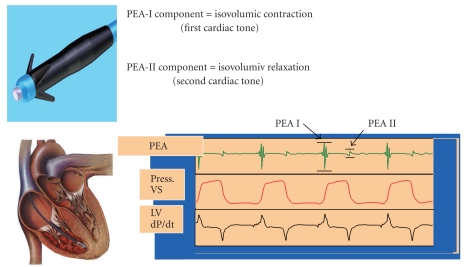
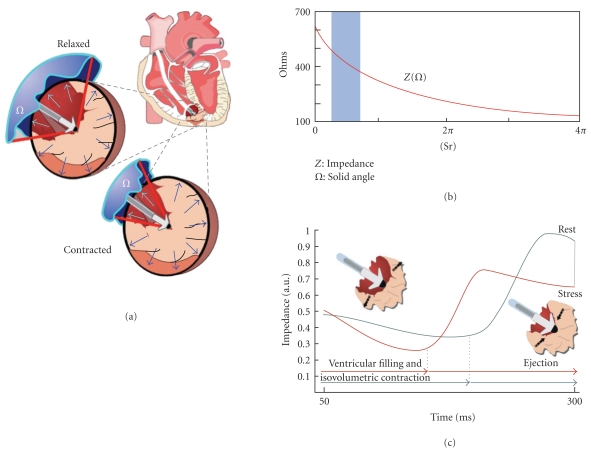
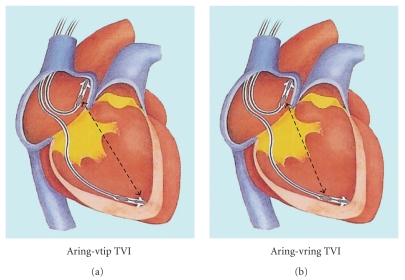
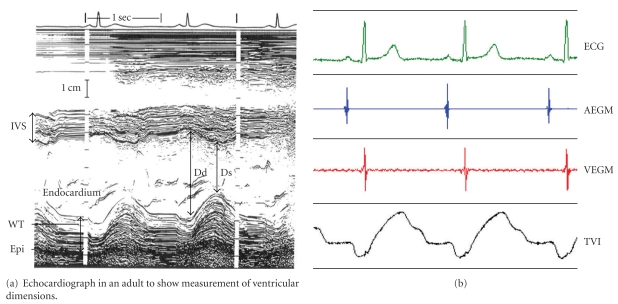
The rate adaptive sensors applied to cardiac pacing should respond as promptly as the normal sinus node with an highly specific and sensitive detection of the need of increasing heart rate. Sensors operating alone may not provide optimal heart responsiveness: central venous pH sensing, variations in the oxygen content of mixed venous blood, QT interval, breathing rate and pulmonary minute ventilation monitored by thoracic impedance variations, activity sensors. Using sensors that have different attributes but that work in a complementary manners offers distinct advantages. However, complicated sensors interactions may occur. Hemodynamic sensors detect changes in the hemodynamic performances of the heart, which partially depends on the autonomic nervous system-induced inotropic regulation of myocardial fibers. Specific hemodynamic sensors have been designed to measure different expression of the cardiac contraction strength: Peak Endocardial Acceleration (PEA), Closed Loop Stimulation (CLS) and TransValvular Impedance (TVI), guided by intraventricular impedance variations. Rate-responsive pacing is just one of the potential applications of hemodynamic sensors in implantable pacemakers. Other issues discussed in the paper include: hemodynamic monitoring for the optimal programmation and follow up of patients with cardiac resynchronization therapy; hemodynamic deterioration impact of tachyarrhythmias; hemodynamic upper rate limit control; monitoring and prevention of vasovagal malignant syncopes.
Figures
References
-
- Rickards AF, Donaldson RM. Rate-responsive pacing. Pacing and Clinical Electrophysiology. 1983;1:12–19. - PubMed
-
- Gwinn N, Leman R, Kratz J, White JK, Zile MR, Gillette P. Chronotropic incompetence: a common and progressive finding in pacemaker patients. American Heart Journal. 1992;123(5):1216–1219. - PubMed
-
- Leung SK, Lau CP, Tang MO. Cardiac output is a sensitive indicator of difference in exercise performance between single and dual sensor pacemakers. Pacing and Clinical Electrophysiology. 1998;21(1):35–41. - PubMed
-
- Karloef I. Haemodynamic effect of atrial triggered versus fixed rate pacing at rest and during exercise in complete heart block. Acta Medica Scandinavica. 1975;197(3):195–206. - PubMed
-
- Fananapazir L, Bennett DH, Monks P. Atrial synchronized ventricular pacing: contribution of the chronotropic response to improved exercise performance. Pacing and Clinical Electrophysiology. 1983;6(3):601–610. - PubMed
LinkOut - more resources
Full Text Sources