Chromium-picolinate therapy in diabetes care: molecular and subcellular profiling revealed a necessity for individual outcome prediction, personalised treatment algorithms and new guidelines
- PMID: 21470100
- PMCID: PMC3811013
- DOI: 10.2174/187152611795589717
Chromium-picolinate therapy in diabetes care: molecular and subcellular profiling revealed a necessity for individual outcome prediction, personalised treatment algorithms and new guidelines
Abstract
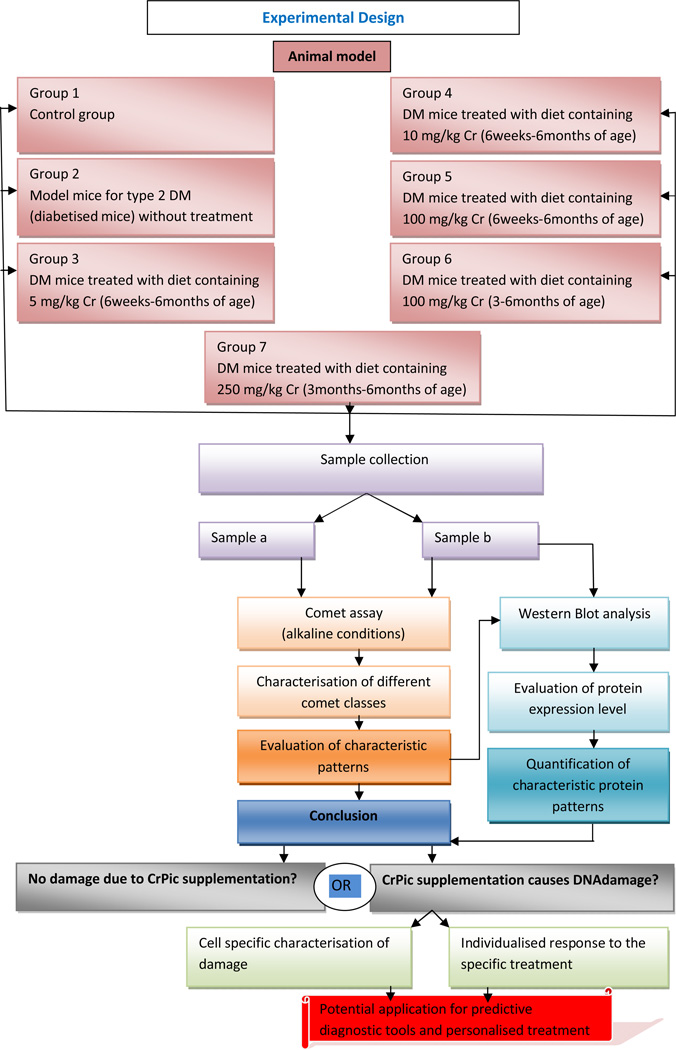
Aims: Global figures clearly demonstrate inadequacy of current diabetes care: every 10 seconds one patient dies of diabetes-related pathologies. Nephropathy is the leading secondary complication of the disease. Nutritional supplement by chromium-picolinate is assumed to have beneficial therapeutic effects. However, potential toxic effects reported increase concerns about safety of chromium-picolinate. The experimental design aimed at determining, whether the treatment with clinically relevant doses of chromium-picolinate can harm through DNA damage and extensive alterations in central detoxification / cell-cycle regulating pathways in treatment of diabetes.
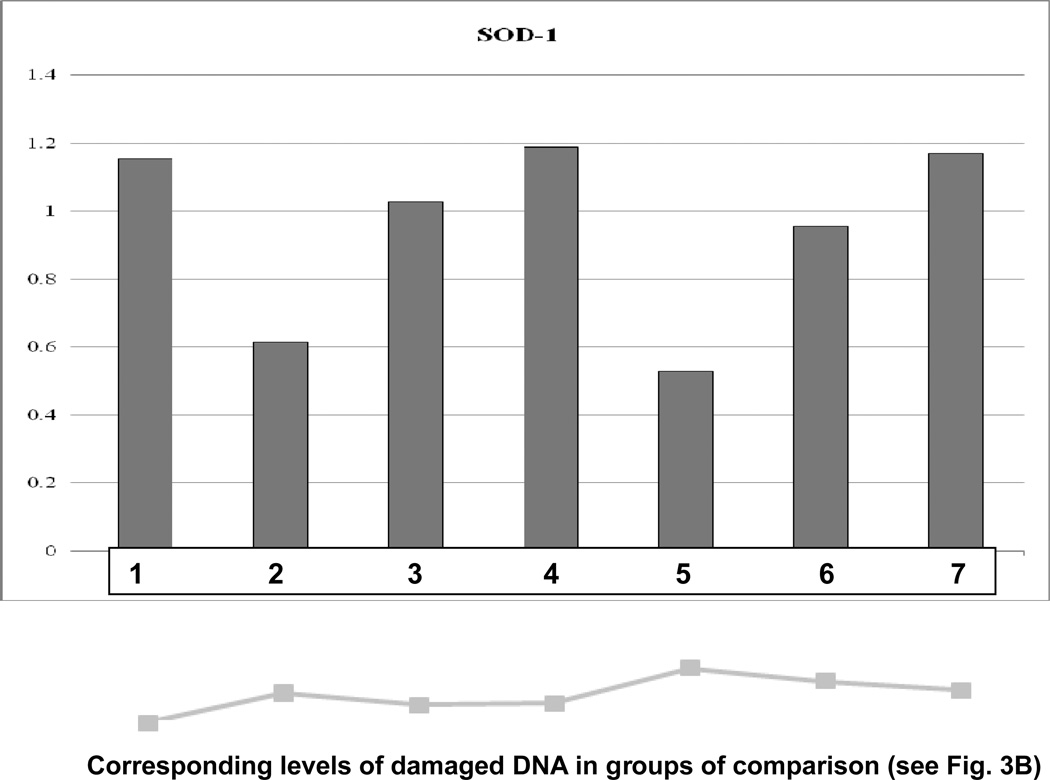
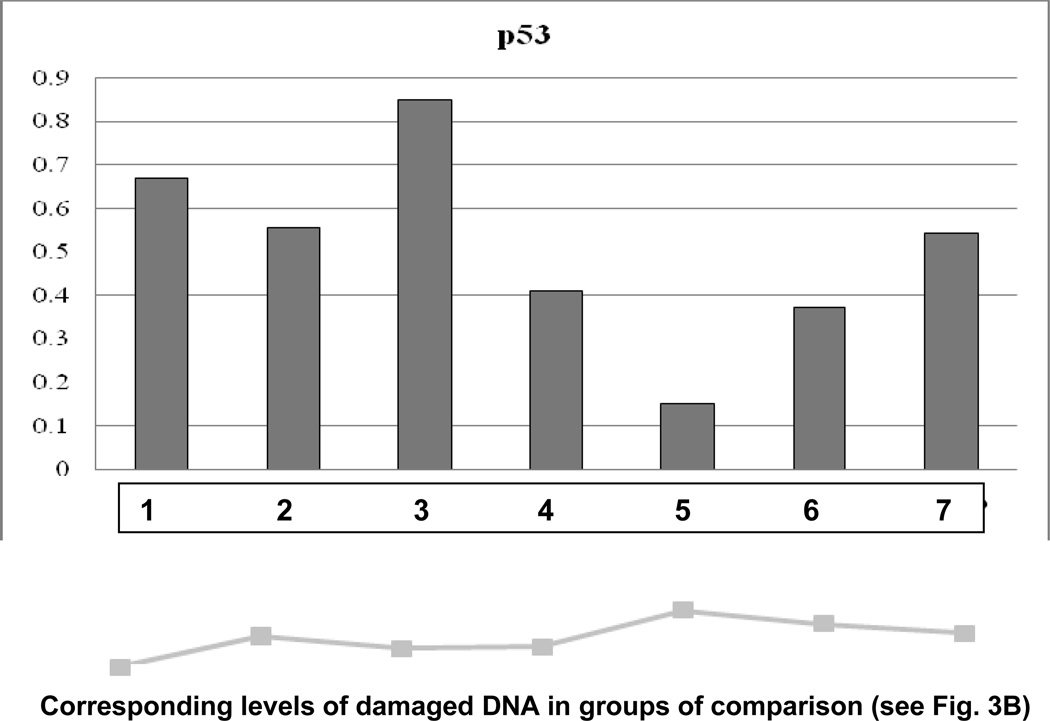
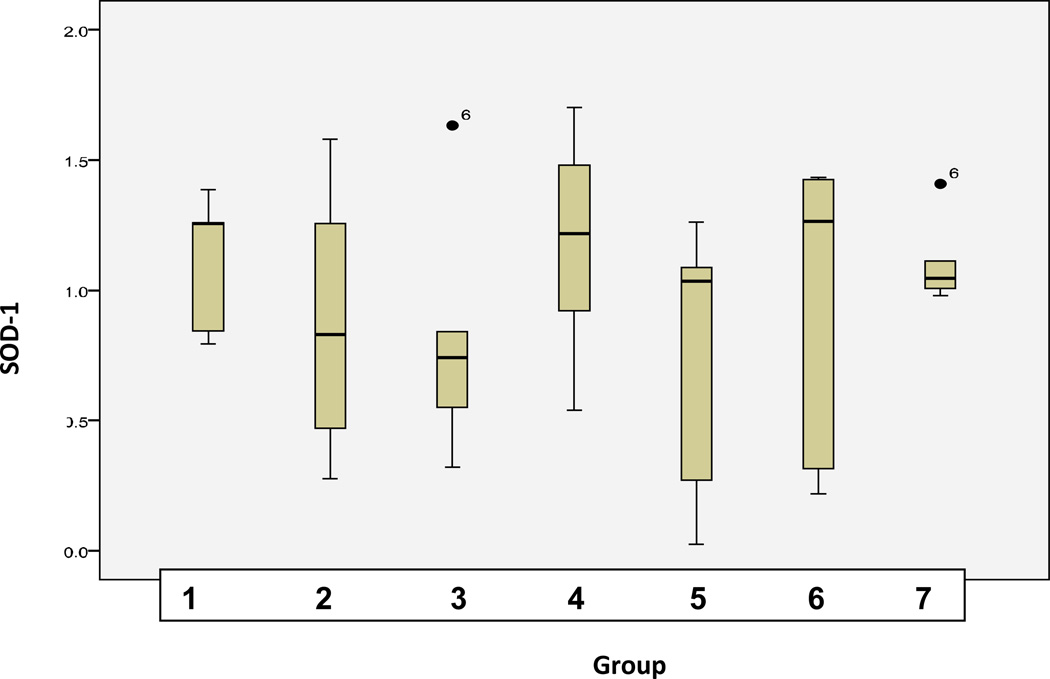
Methods: Well-acknowledged animal model of db/db-mice and clinically relevant doses of chromium-picolinate were used. As an index of DNA-damage, measurement of DNA-breaks was performed using "Comet Assay"-analysis. Individual and group-specific expression patterns of SOD-1 and P53 were evaluated to give a clue about central detoxification and cell-cycle regulating pathways under treatment conditions. The study was performed in a double-blind manner.
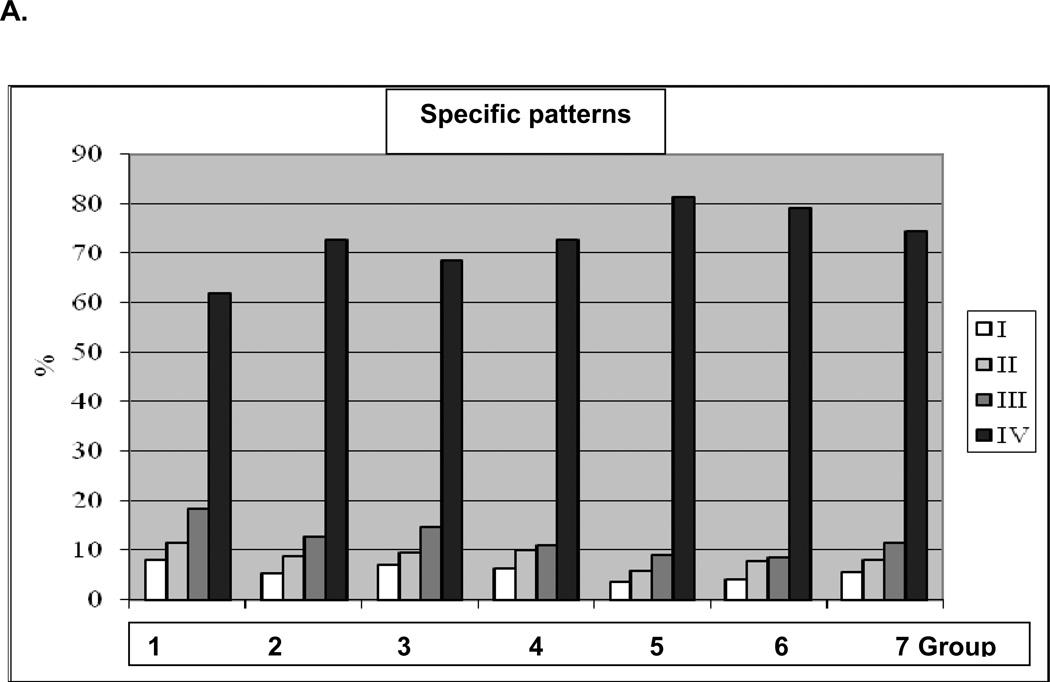
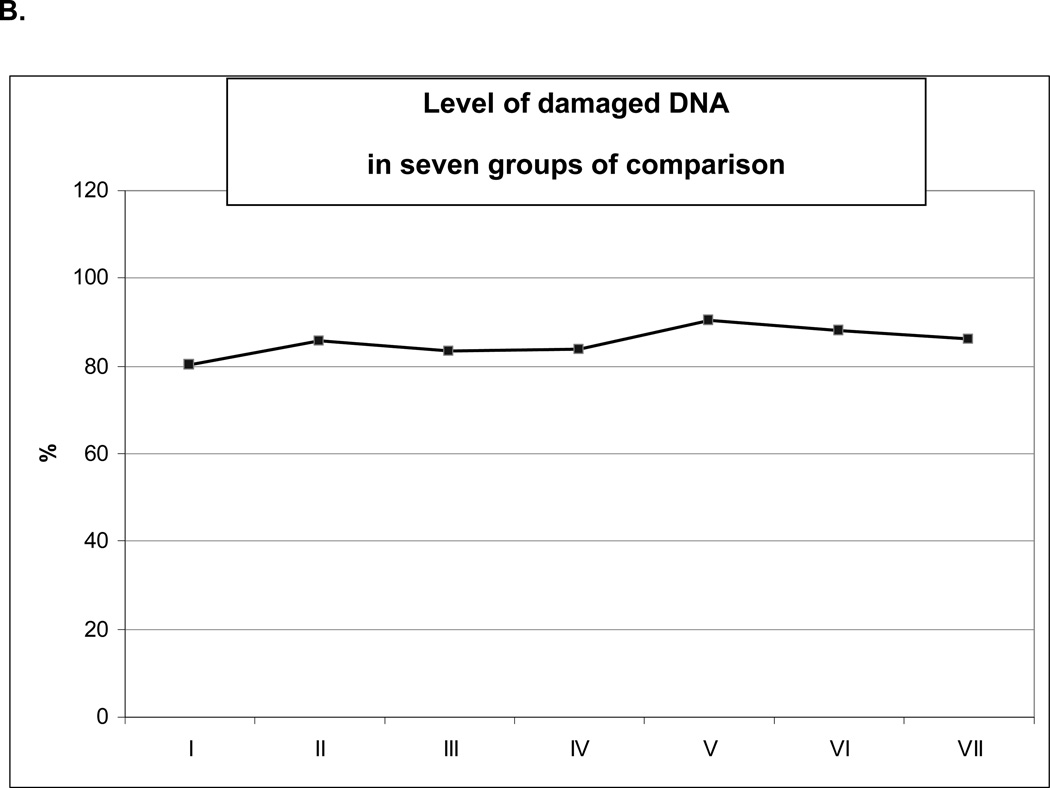
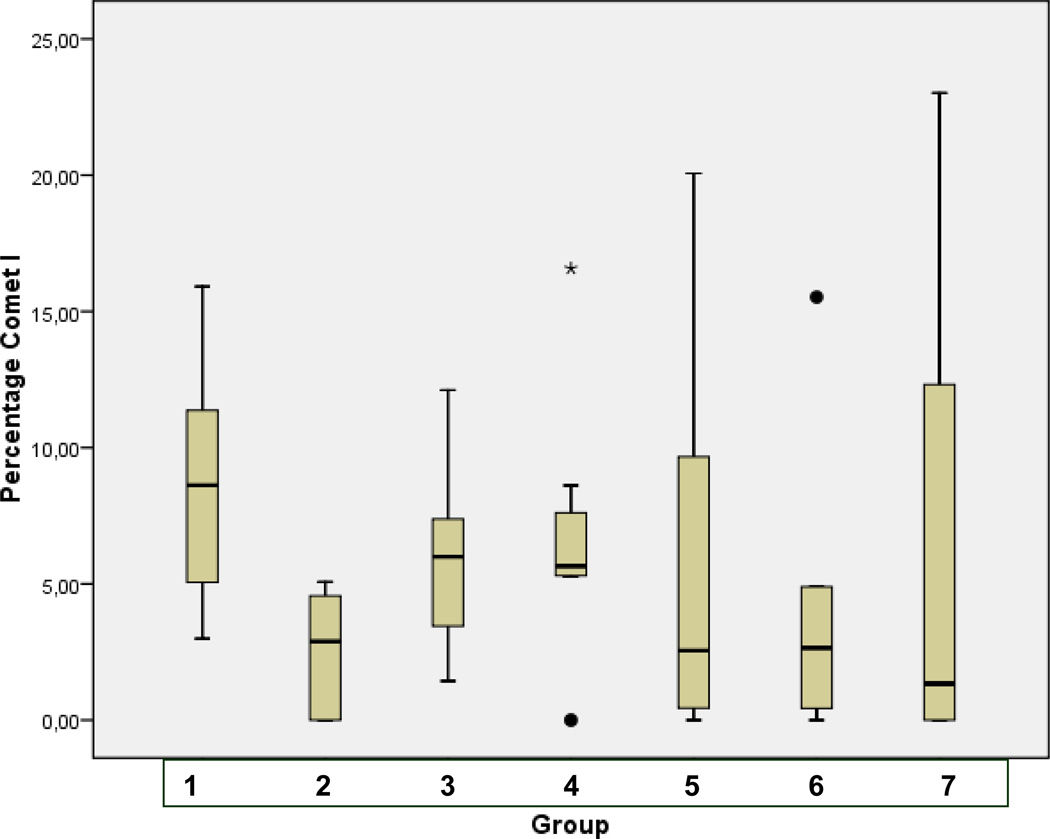
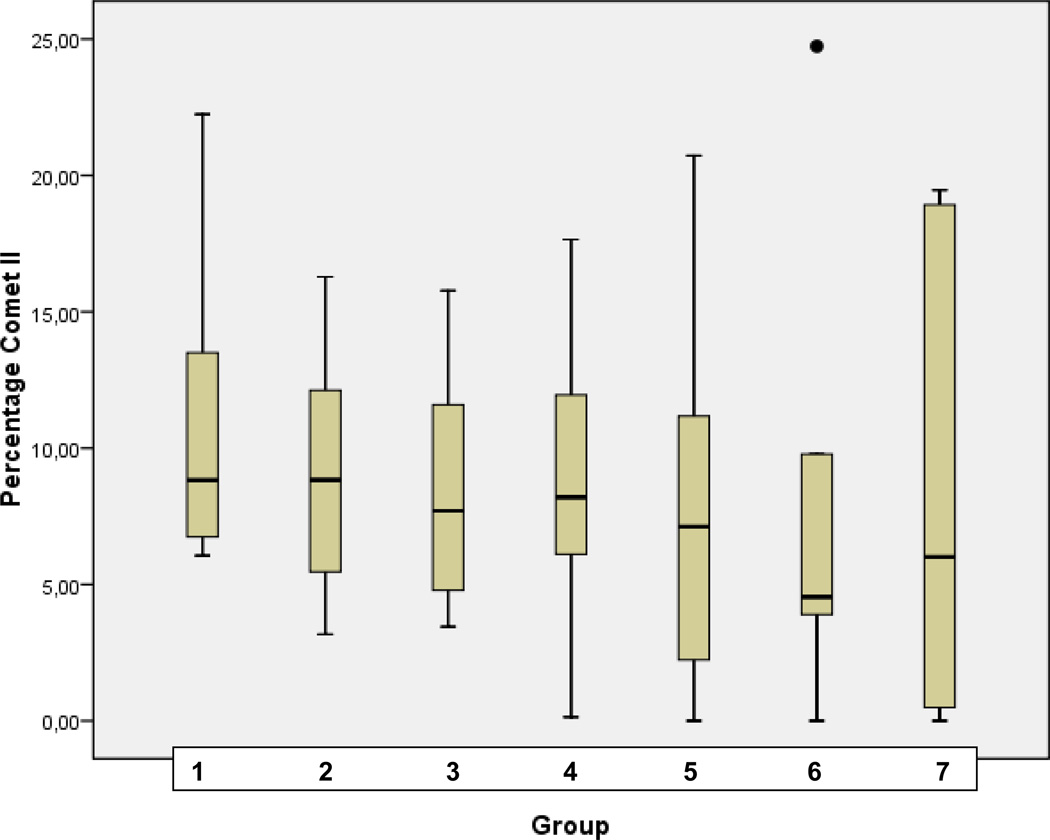
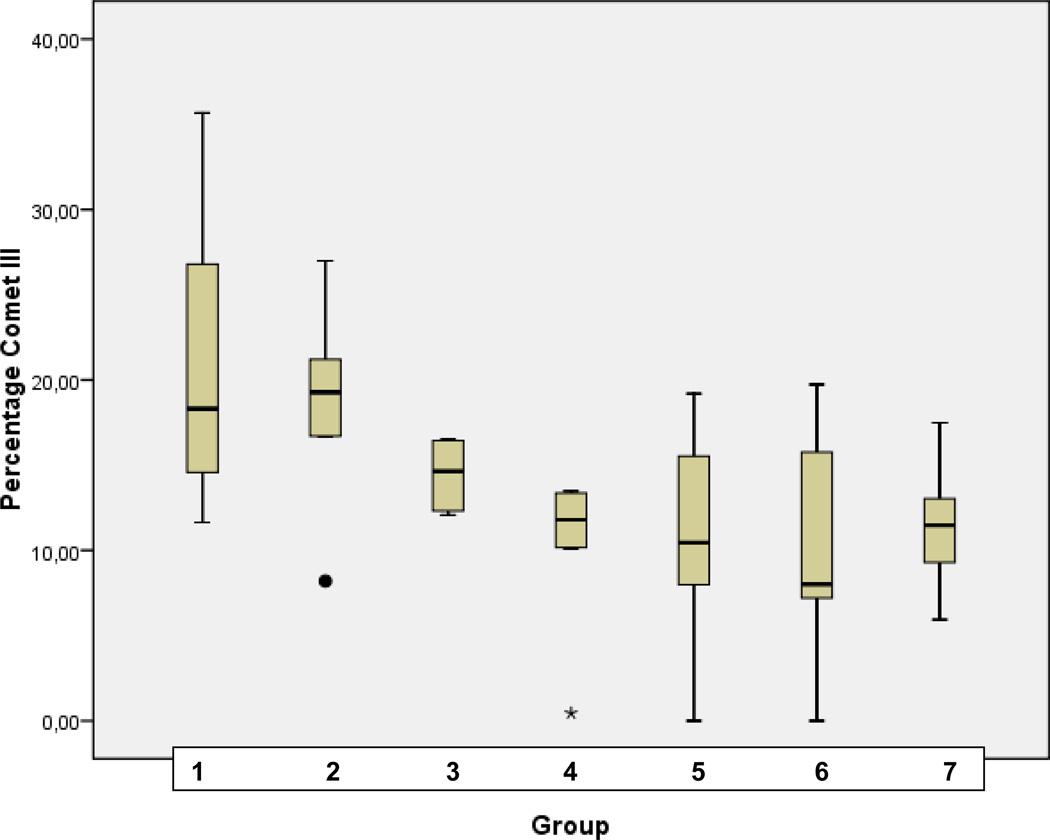
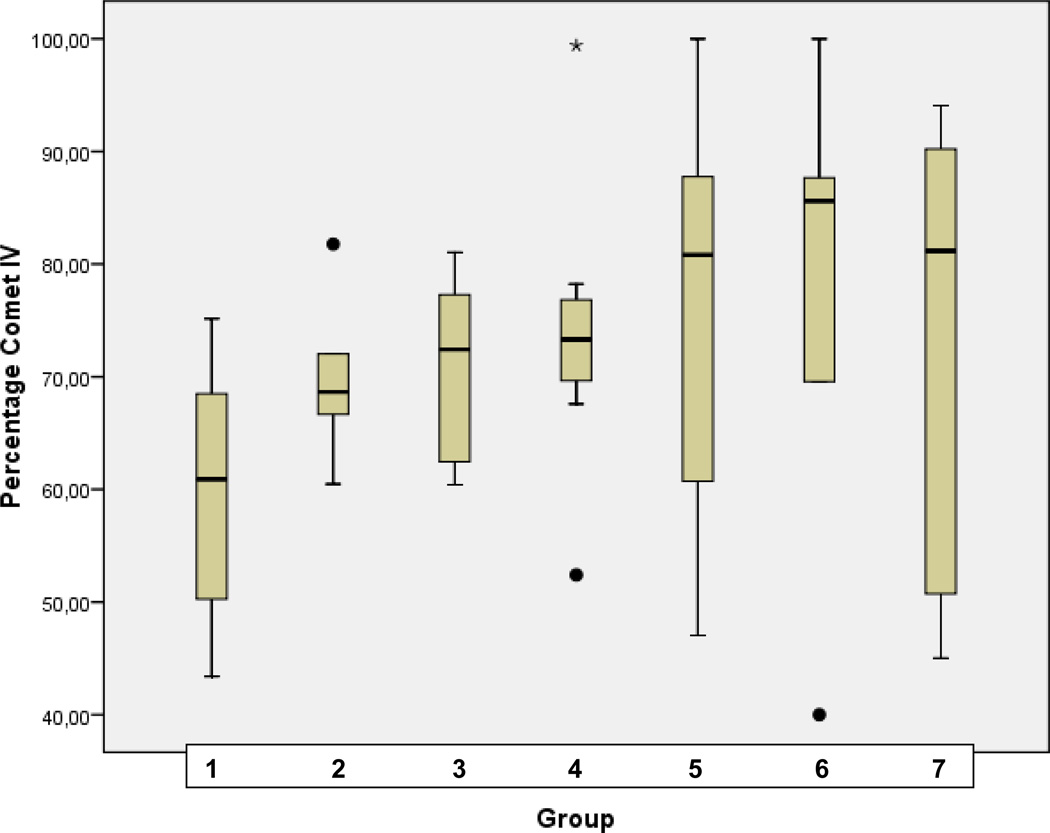
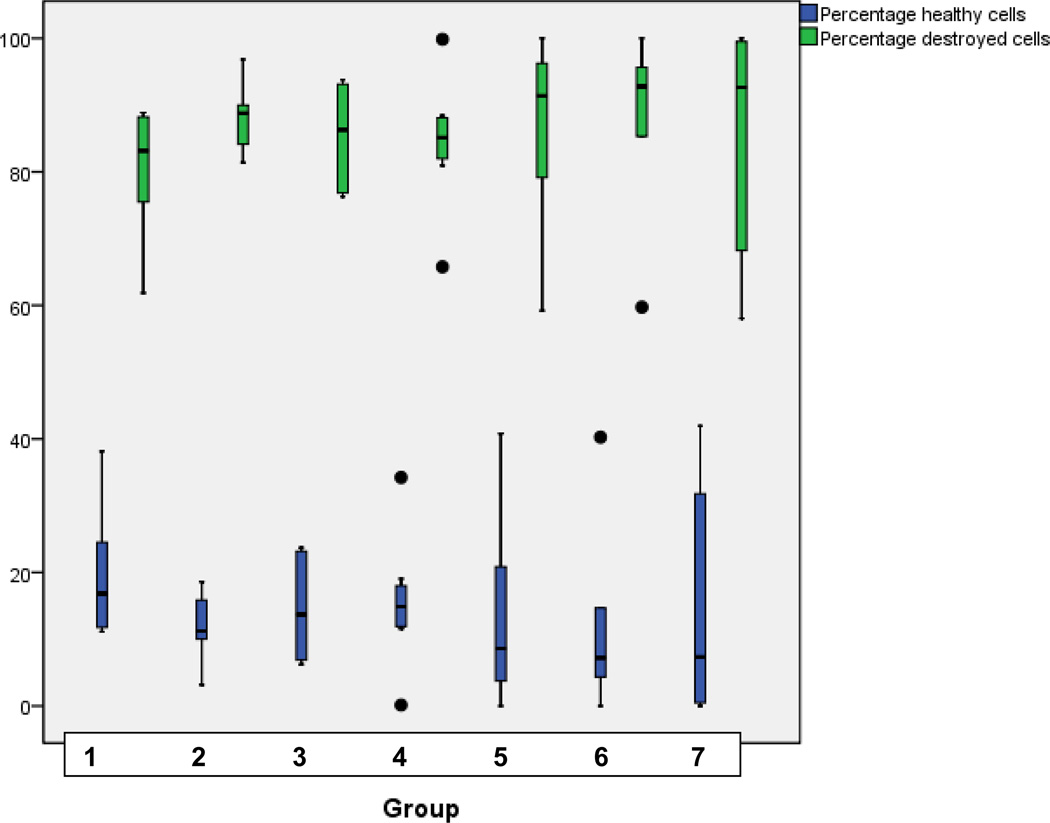
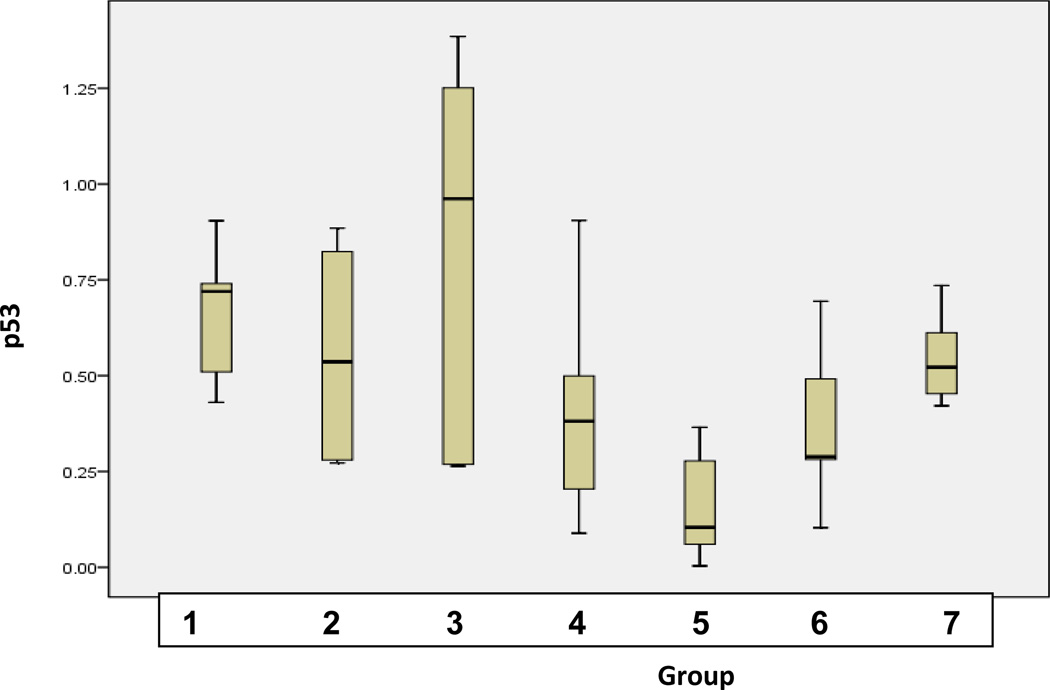
Results: Experimental data revealed highly individual reaction under treatment conditions. However, group-specific patterns were monitored: highest amount of damaged DNA--under the longest treatment with high doses, in contrast to groups with low doses of chromium-picolinate. Comet patterns were intermediate between untreated diabetised and control animals. Expression patterns demonstrated a correlation with subcellular imaging and dosage-dependent suppression under chromium-picolinate treatment.
Conclusions: This article highlights possible risks for individual long-term effects, when chromium-picolinate is used freely as a therapeutic nutritional modality agent without application of advanced diagnostic tools to predict risks and individual outcomes. Targeted measures require a creation of new guidelines for advanced Diabetes care.
Figures
References
-
- Rahim MA, Hussain A, Azad Khan AK, Sayeed MA, Keramat Ali SM, Vaaler S. Rising prevalence of type 2 diabetes in rural Bangladesh: a population based study. Diabetes Res Clin Pract. 2007;77:300–305. - PubMed
-
- Nolan JJ, O'Halloran D, McKenna TJ, Firth R, Redmond S. The cost of treating type 2 diabetes (CODEIRE) Ir Med J. 2006;99:307–310. - PubMed
-
- Wild S, Roglic G, Green A, Sicree R, King H. Global prevalence of diabetes: estimates for the year 2000 and projections for 2030. Diabetes Care. 2004;27:1047–1053. - PubMed
-
- Azimi-Nezhad M, Ghayour-Mobarhan M, Parizadeh MR, Safarian M, Esmaeili H, Parizadeh SM, Khodaee G, Hosseini J, Abasalti Z, Hassankhani B, Ferns G. Prevalence of type 2 diabetes mellitus in Iran and its relationship with gender, urbanisation, education, marital status and occupation. Singapore Med J. 2008;49:571–576. - PubMed
-
- Cebioglu M, Golubnitschaja O. New tendencies in the epidemiology of Diabetes Mellitus. In: Golubnitschaja O, editor. Predictive Diagnostics and Personalized Treatment: Dream or Reality. Nova Science Publishers, Inc; 2009. pp. 151–156.
Publication types
MeSH terms
Substances
Grants and funding
LinkOut - more resources
Full Text Sources
Medical
Research Materials
Miscellaneous