


Pessary treatment for pelvic organ prolapse and health-related quality of life: a review
- PMID: 21472447
- PMCID: PMC3097351
- DOI: 10.1007/s00192-011-1390-7
Pessary treatment for pelvic organ prolapse and health-related quality of life: a review
Abstract
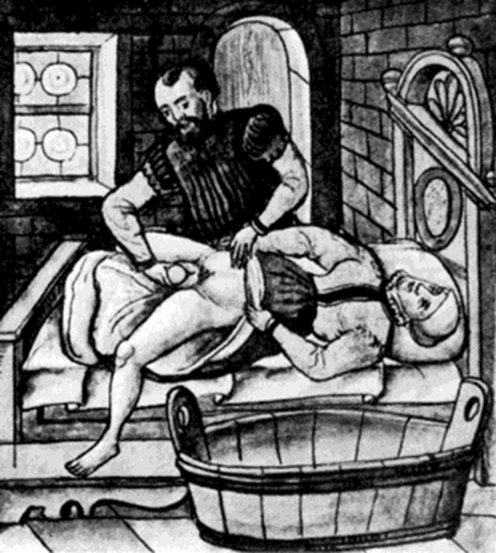
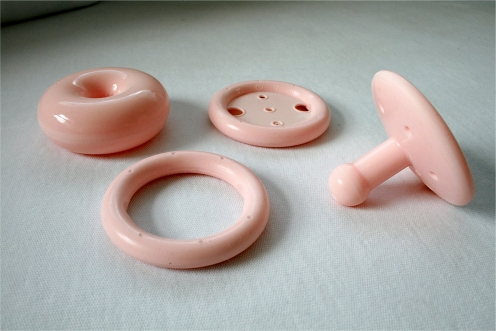
Pessaries have been used to treat women with pelvic organ prolapse (POP) since the beginning of recorded history. This review aims to assess the effect of pessary treatment on the disease-specific, health-related quality of life in women with pelvic organ prolapse. After a Medline search using the Mesh term 'pessary' and critical appraisal, 41 articles were selected and used in this review. Pessaries are widely used to treat pelvic organ prolapse. It is minimally invasive and appears to be safe. Although there is evidence that the use of pessaries in the treatment of pelvic organ prolapse is effective in alleviating symptoms and that patient satisfaction is high, the follow-up in many published papers is short, and the use of validated urogynaecological questionnaires is limited. Comparison with surgical treatment of pelvic organ prolapse is rare and not assessed in a randomised controlled trial.
Figures
References
-
- Adams E, Thomson A, Maher C, Hagen S. (2004) Mechanical devices for pelvic organ prolapse in women. Cochrane Database Syst Rev (2):CD004010 - PubMed
Publication types
MeSH terms
LinkOut - more resources
Full Text Sources
Medical
