


Geographic variations in microbial keratitis: an analysis of the peer-reviewed literature
- PMID: 21478201
- PMCID: PMC3403809
- DOI: 10.1136/bjo.2009.169607
Geographic variations in microbial keratitis: an analysis of the peer-reviewed literature
Abstract
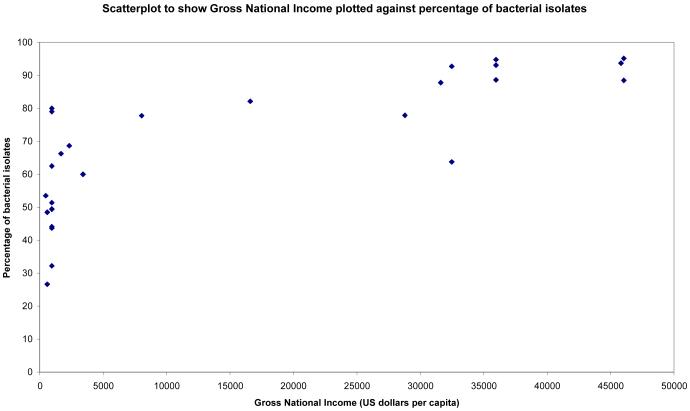
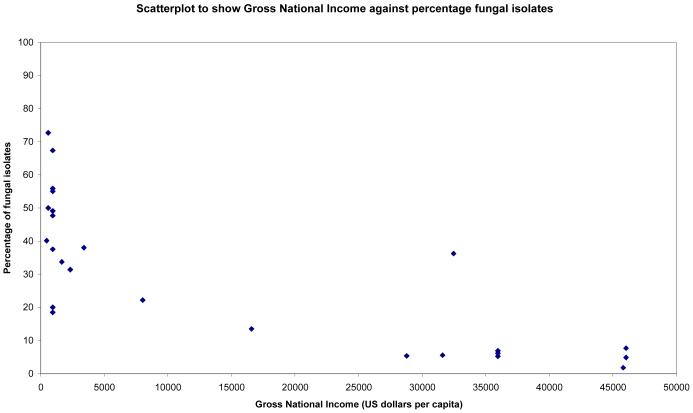
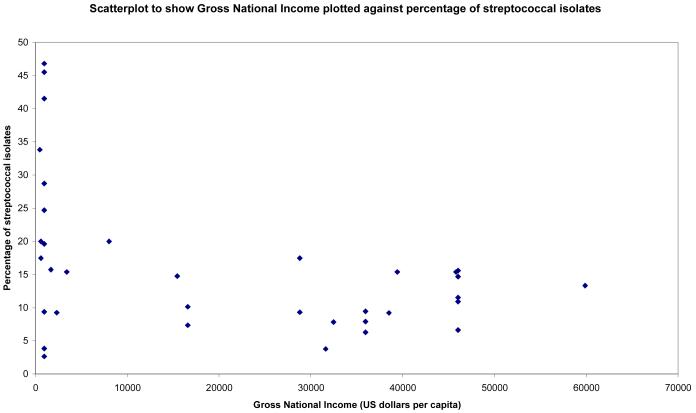
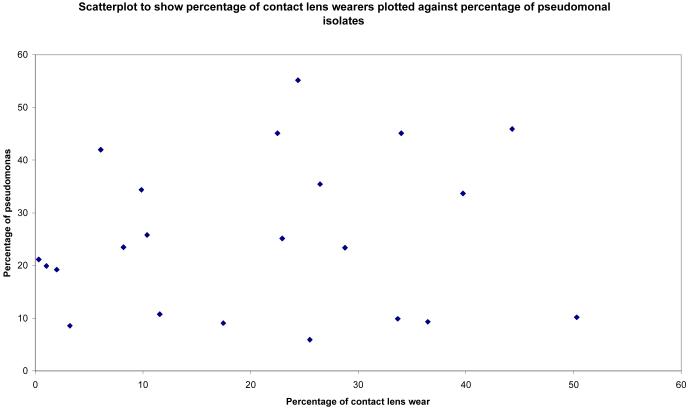
The epidemiology of microbial keratitis has been investigated in several studies by analysis of organisms cultured from corneal scrapes. However, a comparison of the frequency of different organisms causing keratitis in different parts of the world is lacking. The authors present a review incorporating an analysis of data from studies worldwide. The data provide a comparison of the frequency of culture-positive organisms found in different parts of the world. Associations between a country's gross national income and types of causative organism are explored. The highest proportion of bacterial corneal ulcers was reported in studies from North America, Australia, The Netherlands and Singapore. The highest proportion of staphylococcal ulcers was found in a study from Paraguay, while the highest proportion of pseudomonas ulcers was reported in a study from Bangkok. The highest proportions of fungal infections were found in studies from India and Nepal. The Spearman correlation coefficient demonstrated statistically significant correlations between gross national income and percentages of bacterial (0.85 (95% CI 0.68 to 0.91, p<0.0001)), fungal (-0.81 (95% CI -0.90 to -0.66, p<0.0001)) and streptococcal (-0.43 (95% CI -0.66 to -0.12, p=0.009)) isolates.
Figures
References
-
- Vajpayee RB, Dada T, Saxena R, et al. Study of the First Contact Management Profile of Cases of Infectious Keratitis: A Hospital-Based Study. Cornea. 2000;19(1):52–56. - PubMed
-
- Lam DS, Houang E, Fan DS, et al. Hong Kong Microbial Keratitis Study Group Incidence and risk factors for microbial keratitis in Hong Kong: comparison with Europe and North America. Eye. 2002;16(5):608–18. - PubMed
Publication types
MeSH terms
Grants and funding
LinkOut - more resources
Full Text Sources
