


Use of CHROMagar Candida for the presumptive identification of Candida species directly from clinical specimens in resource-limited settings
- PMID: 21483597
- PMCID: PMC3071170
- DOI: 10.3402/ljm.v5i0.2144
Use of CHROMagar Candida for the presumptive identification of Candida species directly from clinical specimens in resource-limited settings
Abstract
Introduction: Identification of yeast isolated from clinical specimens to the species level has become increasingly important. Ever-increasing numbers of immuno-suppressed patients, a widening range of recognized pathogens, and the discovery of resistance to antifungal drugs are contributing factors to this necessity.
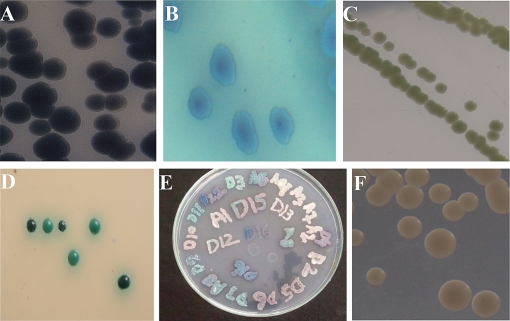
Material and methods: A total of 487 yeast strains were studied for the primary isolation and presumptive identification, directly from clinical specimen. Efficacy of CHROMagar Candida has been evaluated with conventional methods including morphology on Corn meal-tween 80 agar and biochemical methods by using API 20 C AUX.
Results: The result of this study shows that CHROMagar Candida can easily identify three species of Candida on the basis of colonial color and morphology, and accurately differentiate between them i.e. Candida albicans, Candida tropicalis, and Candida krusei. The specificity and sensitivity of CHROMagar Candida for C. albicans calculated as 99%, for C. tropicalis calculated as 98%, and C. krusei it is 100%.
Conclusion: The data presented supports the use of CHROMagar Candida for the rapid identification of Candida species directly from clinical specimens in resource-limited settings, which could be very helpful in developing appropriate therapeutic strategy and management of patients.
Keywords: CHROMagar Candida; presumptive identification; resource-limited settings.
Figures
References
-
- Fraser VJ, Jones M, Dunkel J, Storfer S, Medoff G, Dunagan WC. Candidemia in a tertiary care hospital: epidemiology, risk factors, and predictors of mortality. J Clin Infect Dis. 1992;15:415–21. - PubMed
-
- Wingard JR. Importance of Candida species other than C. albicans as pathogens in oncology patients. Clin Infect Dis. 1995;20:115–25. - PubMed
-
- Beck-Sague CM, Jarvis WR. Secular trends in the epidemiology of nosocomial fungal infections in the United States, 1980–1990. J Infect Dis. 1993;167:1247–51. - PubMed
-
- McNeil MM, Nash SL, Hajjeh RA, Phelan MA, Conn LA, Plikaytis BD, et al. Trends in mortality due to invasive mycotic diseases in the United States, 1980–1997. J Clin Infect Dis. 2001;33:641–7. - PubMed
LinkOut - more resources
Full Text Sources
