


Natural orifice translumenal endoscopic surgery: progress in humans since white paper
- PMID: 21483624
- PMCID: PMC3072628
- DOI: 10.3748/wjg.v17.i13.1655
Natural orifice translumenal endoscopic surgery: progress in humans since white paper
Abstract
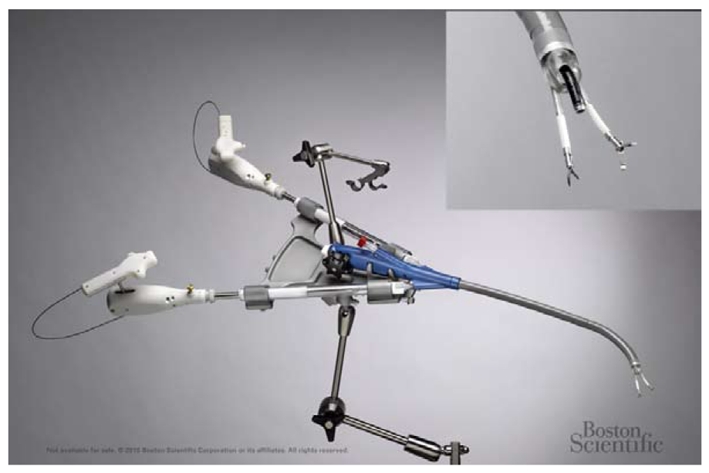
Since the first description of the concept of natural orifice translumenal endoscopic surgery (NOTES), a substantial number of clinical NOTES reports have appeared in the literature. This editorial reviews the available human data addressing research questions originally proposed by the white paper, including determining the optimal method of access for NOTES, developing safe methods of lumenal closure, suturing and anastomotic devices, advanced multitasking platforms, addressing the risk of infection, managing complications, addressing challenges with visualization, and training for NOTES procedures. An analysis of the literature reveals that so far transvaginal access and closure appear to be the most feasible techniques for NOTES, with a limited, but growing transgastric, transrectal, and transesophageal NOTES experience in humans. The theoretically increased risk of infection as a result of NOTES procedures has not been substantiated in transvaginal and transgastric procedures so far. Development of suturing and anastomotic devices and advanced platforms for NOTES has progressed slowly, with limited clinical data on their use so far. Data on the optimal management and incidence of intraoperative complications remain sparse, although possible factors contributing to complications are discussed. Finally, this editorial discusses the likely direction of future NOTES development and its possible role in clinical practice.
Keywords: Complications; Endoscopic; Natural orifice translumenal endoscopic surgery; Outcomes; Surgery.
Figures
References
-
- Rattner D, Kalloo A. ASGE/SAGES Working Group on Natural Orifice Translumenal Endoscopic Surgery. October 2005. Surg Endosc. 2006;20:329–333. - PubMed
-
- Auyang ED, Santos BF, Enter DA, Hungness ES, Soper NJ. Natural Orifice Translumenal Endoscopic Surgery (NOTES®): A Technical Review. Surg Endosc. 2011:In press. - PubMed
-
- Bueno B. [Primer Caso de Apendicectomia Por Via Vaginal] Tokoginecol Pract. 1949;8:152–158. - PubMed
-
- Gordts S, Watrelot A, Campo R, Brosens I. Risk and outcome of bowel injury during transvaginal pelvic endoscopy. Fertil Steril. 2001;76:1238–1241. - PubMed
-
- Moore ML, Cohen M, Liu GY. Experience with 109 cases of transvaginal hydrolaparoscopy. J Am Assoc Gynecol Laparosc. 2003;10:282–285. - PubMed
Publication types
MeSH terms
LinkOut - more resources
Full Text Sources
Medical
