


Different clinical presentation of appendicolithiasis. The report of three cases and review of the literature
- PMID: 21487530
- PMCID: PMC3072212
- DOI: 10.4137/CPath.S6757
Different clinical presentation of appendicolithiasis. The report of three cases and review of the literature
Abstract
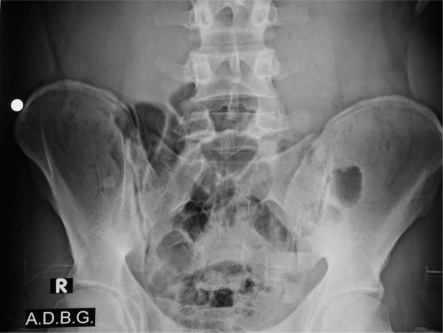
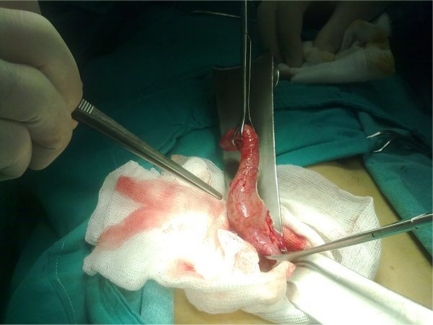
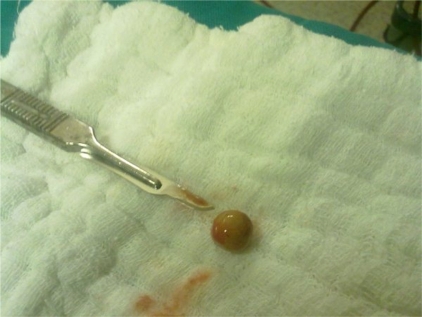
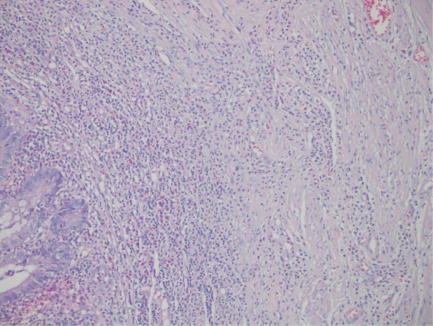
An appendicolith is composed of firm feces and some mineral deposits. After increased use of abdominal computed tomography, appendicoliths are more frequently detected. Most of the patients with appendicolith are asymptomatic. However, an appendicolith may be associated with complicated appendicitis with serious outcomes. We reported three patients who exhibited different clinical symptoms due to appendicolithiasis. While one of the patients was confused with urolithiasis, the other two patients presented with phlegmenous and perforated appendicitis. We submit that appendicoliths may present different clinical findings and can mimic several pathologies including urinary disorders.
Keywords: Abdominal pain; appendicitis; appendicolith.
Figures
References
-
- Teke Z, Kabay B, Erbiş H, Tuncay OL. Appendicolithiasis causing diagnostic dilemma: a rare cause of acute appendicitis (report of a case) Ulus Travma Acil Cerrahi Derg. 2008;14:323–5. - PubMed
-
- Singh AK, Hahn PF, Gervais D, Vijayraghavan G, Mueller PR. Dropped appendicolith: CT findings and implications for management. AJR Am J Roentgenol. 2008;190:707–11. - PubMed
-
- Nitecki S, Karmeli R, Sarr MG. Appendiceal calculi and fecaliths as indications for appendectomy. Surg Gynecol Obstet. 1990;171:185–8. - PubMed
-
- Rabinowitz CB, Egglin TK, Beland MD, Mayo-Smith WW. Outcomes in 74 patients with an appendicolith who did not undergo surgery: is follow-up imaging necessary? Emerg Radiol. 2007;14:161–5. - PubMed
Publication types
LinkOut - more resources
Full Text Sources
