Detection of recurrent prostate carcinoma with anti-1-amino-3-18F-fluorocyclobutane-1-carboxylic acid PET/CT and 111In-capromab pendetide SPECT/CT
- PMID: 21493787
- PMCID: PMC3099047
- DOI: 10.1148/radiol.11102023
Detection of recurrent prostate carcinoma with anti-1-amino-3-18F-fluorocyclobutane-1-carboxylic acid PET/CT and 111In-capromab pendetide SPECT/CT
Abstract
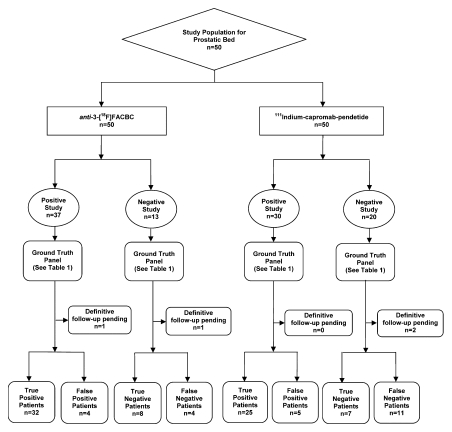
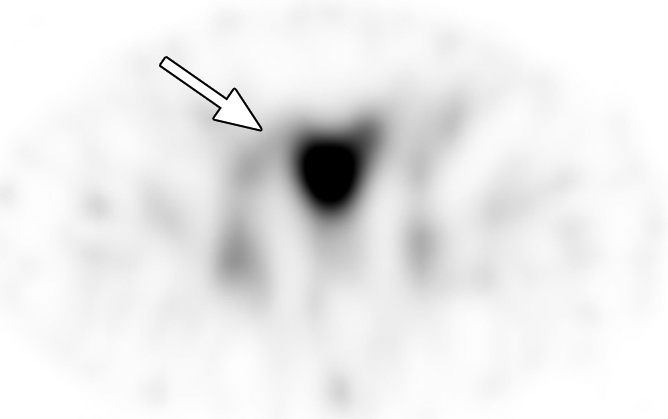
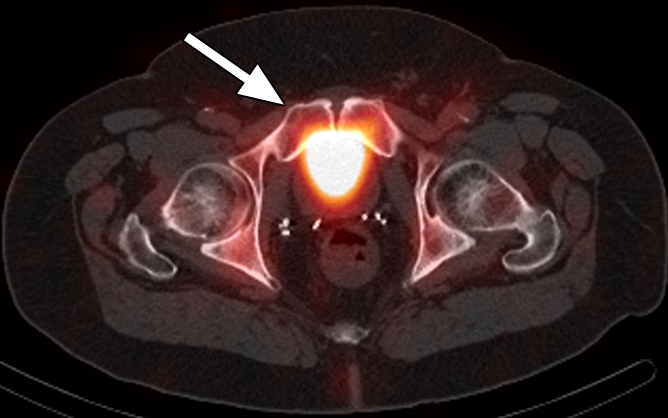
Purpose: To compare the diagnostic performance of the synthetic amino acid analog radiotracer anti-1-amino-3-fluorine 18-fluorocyclobutane-1-carboxylic acid (anti-3-(18)F-FACBC) with that of indium 111 ((111)In)-capromab pendetide in the detection of recurrent prostate carcinoma.
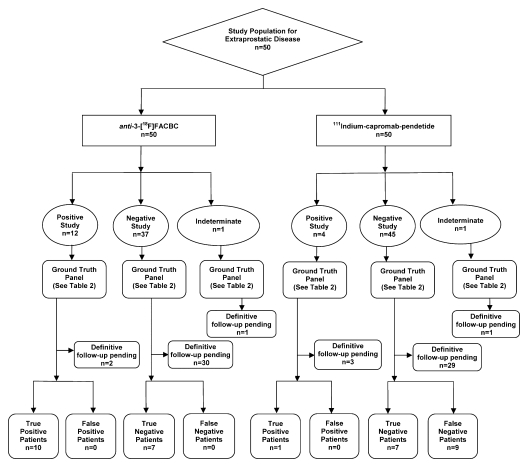
Materials and methods: This prospective study was approved by the institutional review board and complied with HIPAA guidelines. Written informed consent was obtained. Fifty patients (mean age, 68.3 years ± 8.1 [standard deviation]; age range, 50-90 years) were included in the study on the basis of the following criteria: (a) Recurrence of prostate carcinoma was suspected after definitive therapy for localized disease, (b) bone scans were negative, and (c) anti-3-(18)F-FACBC positron emission tomography (PET)/computed tomography (CT) and (111)In-capromab pendetide single photon emission computed tomography (SPECT)/CT were performed within 6 weeks of each other. Studies were evaluated by two experienced interpreters for abnormal uptake suspicious for recurrent disease in the prostate bed and extraprostatic locations. The reference standard was a combination of tissue correlation, imaging, laboratory, and clinical data. Diagnostic performance measures were calculated and tests of the statistical significance of differences determined by using the McNemar χ(2) test as well as approximate tests based on the difference between two proportions.
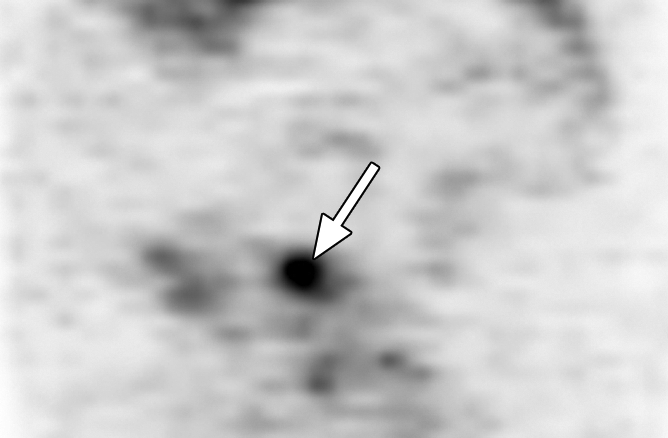
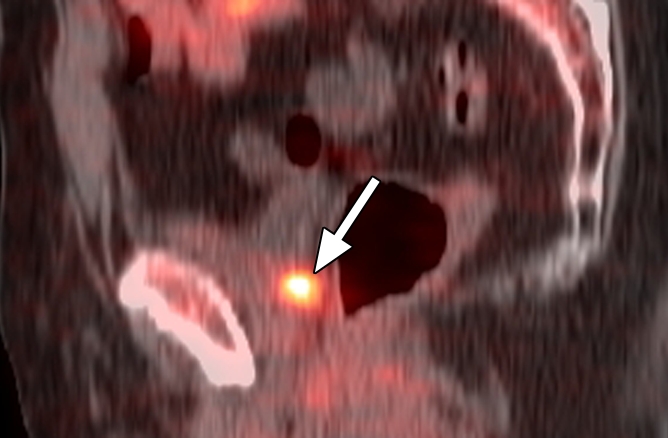
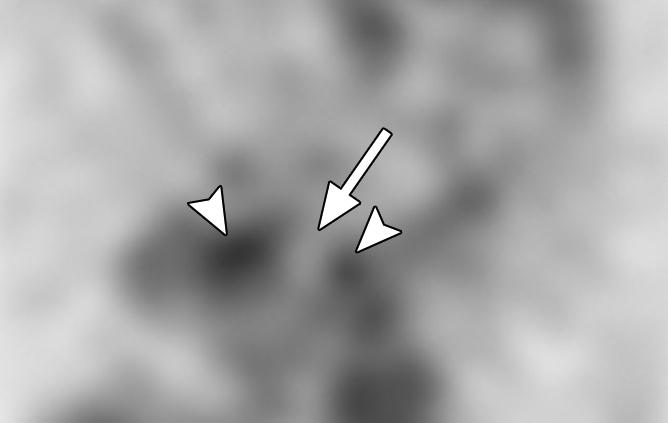
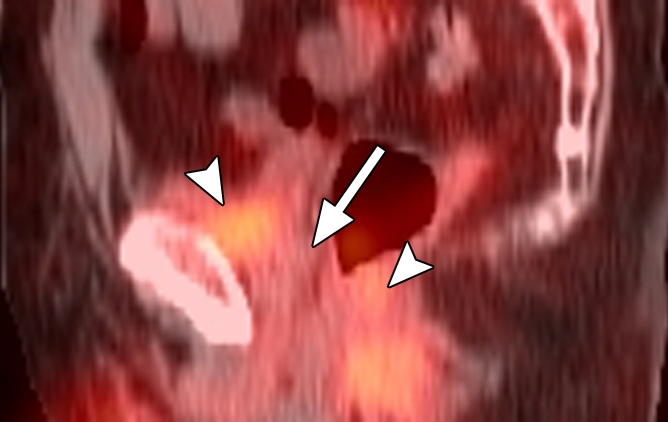
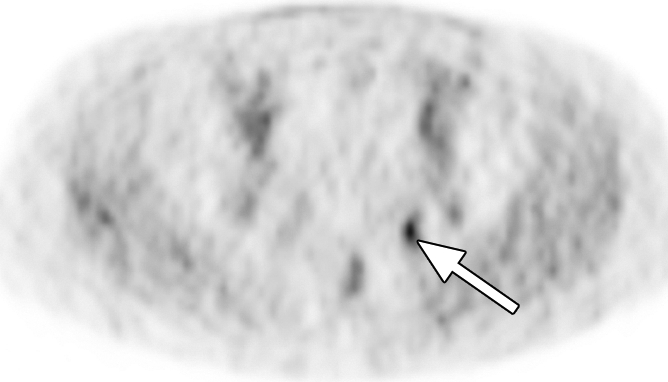
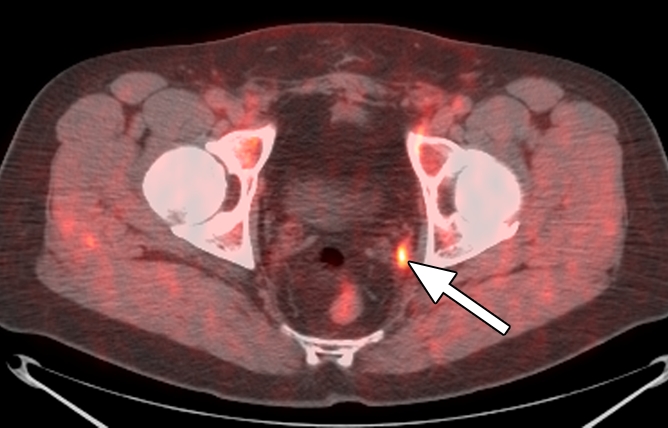
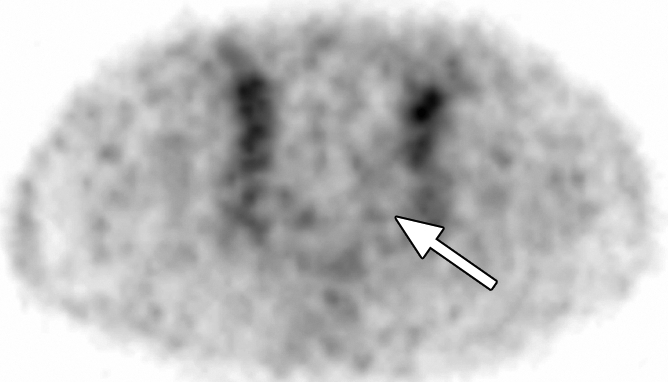
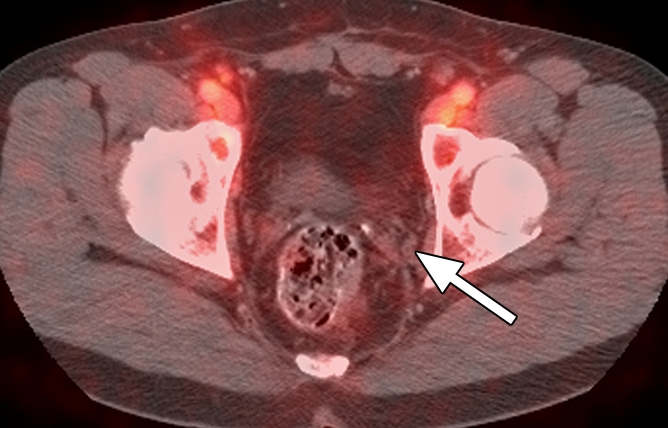
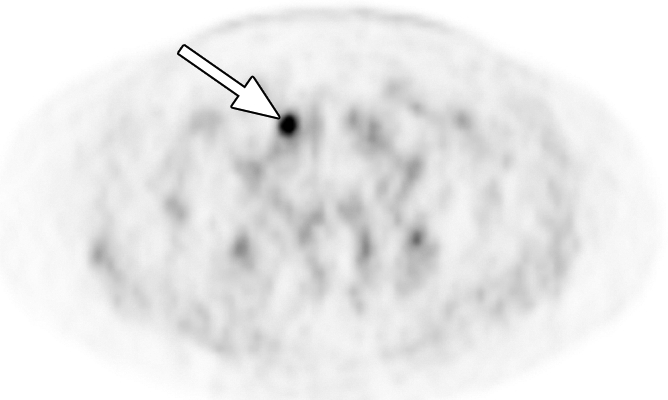
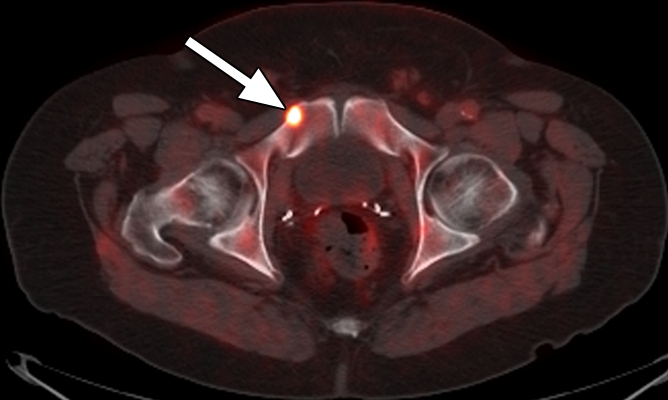
Results: For disease detection in the prostate bed, anti-3-(18)F-FACBC had a sensitivity of 89% (32 of 36 patients; 95% confidence interval [CI]: 74%, 97%), specificity of 67% (eight of 12 patients; 95% CI: 35%, 90%), and accuracy of 83% (40 of 48 patients; 95% CI: 70%, 93%). (111)In-capromab pendetide had a sensitivity of 69% (25 of 36 patients; 95% CI: 52%, 84%), specificity of 58% (seven of 12 patients; 95% CI: 28%, 85%), and accuracy of 67% (32 of 48 patients; 95% CI: 52%, 80%). In the detection of extraprostatic recurrence, anti-3-(18)F-FACBC had a sensitivity of 100% (10 of 10 patients; 95% CI: 69%, 100%), specificity of 100% (seven of seven patients; 95% CI: 59%, 100%), and accuracy of 100% (17 of 17 patients; 95% CI: 80%, 100%). (111)In-capromab pendetide had a sensitivity of 10% (one of 10 patients; 95% CI: 0%, 45%), specificity of 100% (seven of seven patients; 95% CI: 59%, 100%), and accuracy of 47% (eight of 17 patients; 95% CI: 23%, 72%).
Conclusion: anti-3-(18)F-FACBC PET/CT was more sensitive than (111)In-capromab pendetide SPECT/CT in the detection of recurrent prostate carcinoma and is highly accurate in the differentiation of prostatic from extraprostatic disease.
Supplemental material: http://radiology.rsna.org/lookup/suppl/doi:10.1148/radiol.11102023/-/DC1.
RSNA, 2011
Figures
References
-
- Jemal A, Siegel R, Xu J, Ward E. Cancer statistics, 2010. CA Cancer J Clin 2010;60(5):277–300 - PubMed
-
- Mohler J, Bahnson RR, Boston B, et al. NCCN clinical practice guidelines in oncology: prostate cancer. J Natl Compr Canc Netw 2010;8(2):162–200 - PubMed
-
- Ward JF, Blute ML, Slezak J, Bergstralh EJ, Zincke H. The long-term clinical impact of biochemical recurrence of prostate cancer 5 or more years after radical prostatectomy. J Urol 2003;170(5):1872–1876 - PubMed
-
- Jhaveri FM, Zippe CD, Klein EA, Kupelian PA. Biochemical failure does not predict overall survival after radical prostatectomy for localized prostate cancer: 10-year results. Urology 1999;54(5):884–890 - PubMed
-
- Partin AW, Pearson JD, Landis PK, et al. Evaluation of serum prostate-specific antigen velocity after radical prostatectomy to distinguish local recurrence from distant metastases. Urology 1994;43(5):649–659 - PubMed
Publication types
MeSH terms
Substances
Grants and funding
LinkOut - more resources
Full Text Sources
Other Literature Sources
Medical