


Delayed post-ischemic conditioning significantly improves the outcome after retinal ischemia
- PMID: 21501608
- PMCID: PMC3833257
- DOI: 10.1016/j.exer.2011.03.015
Delayed post-ischemic conditioning significantly improves the outcome after retinal ischemia
Abstract
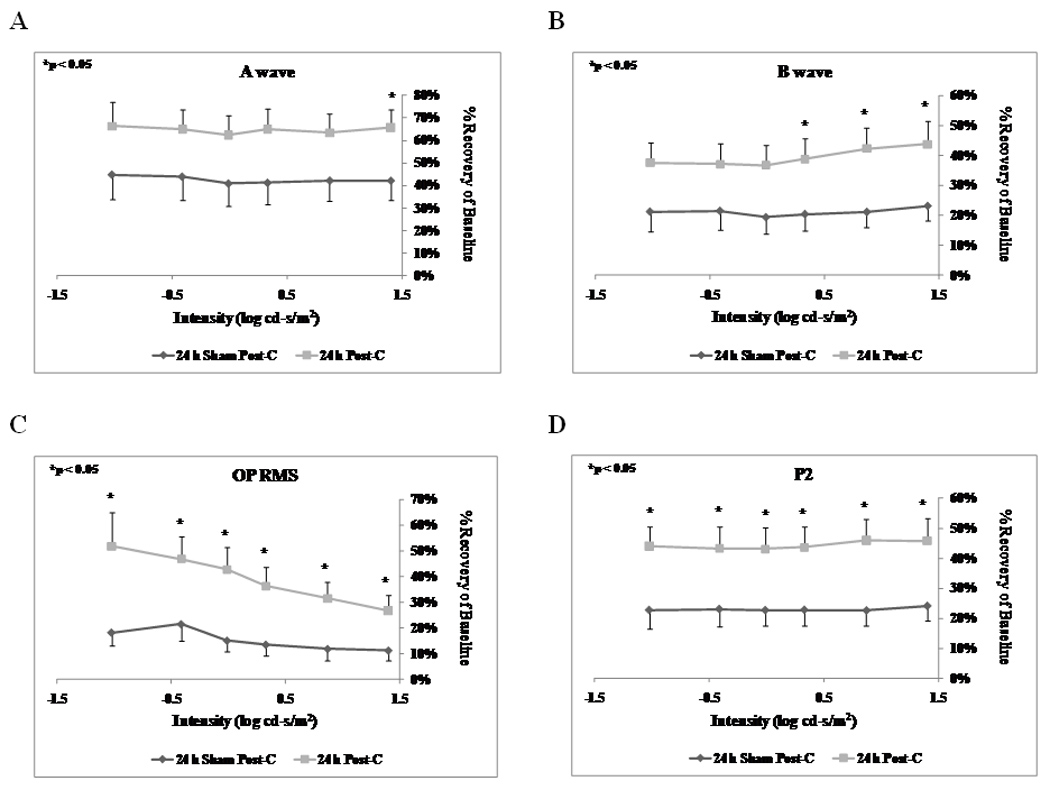
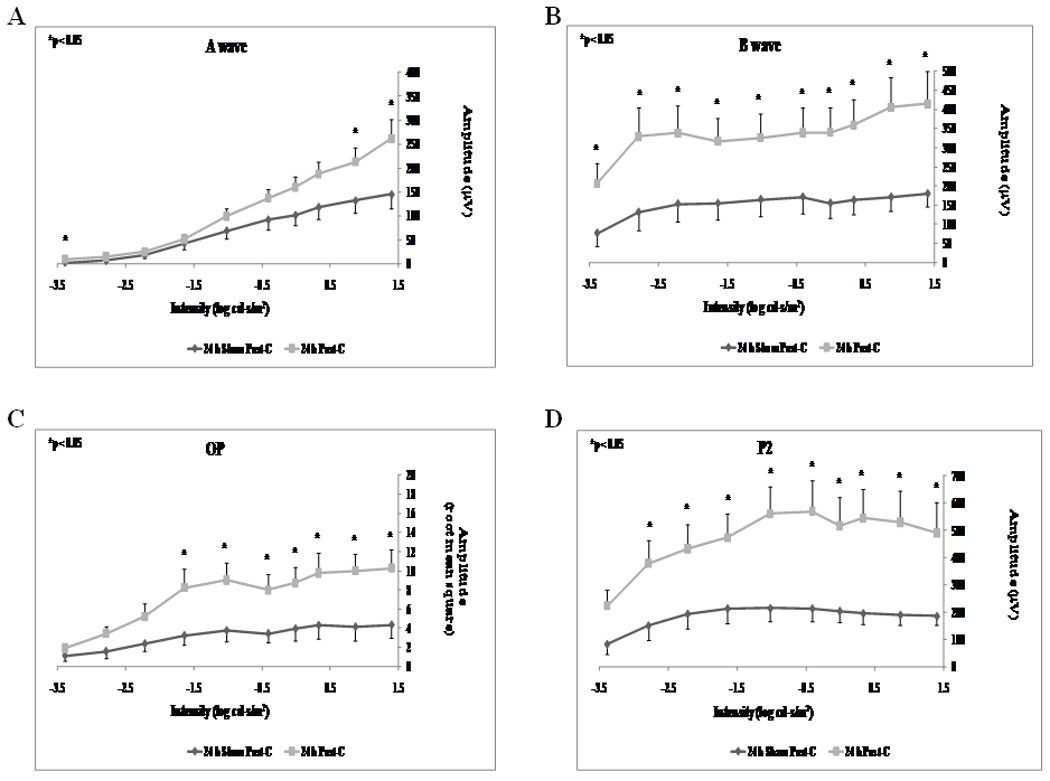
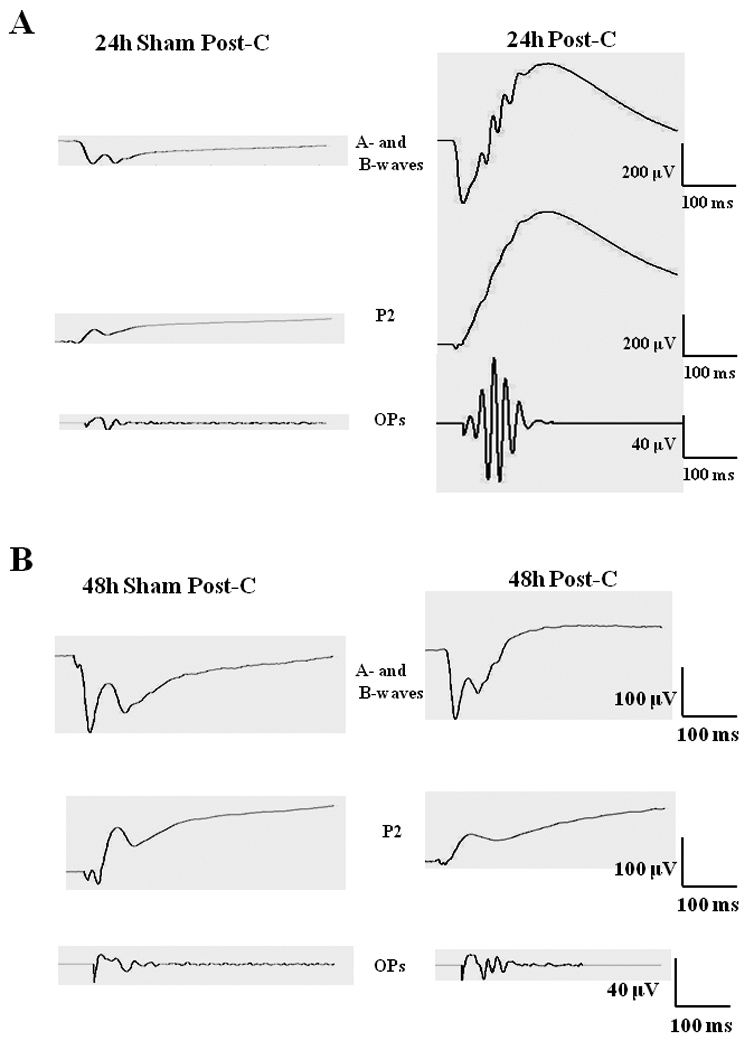
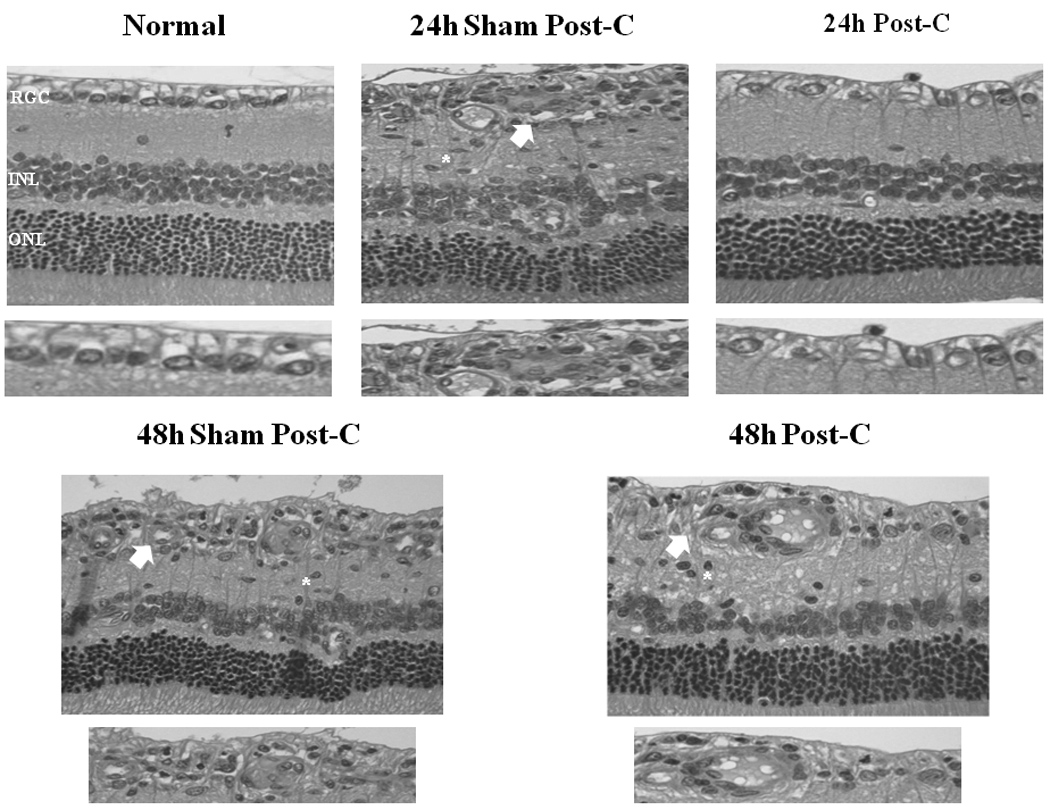
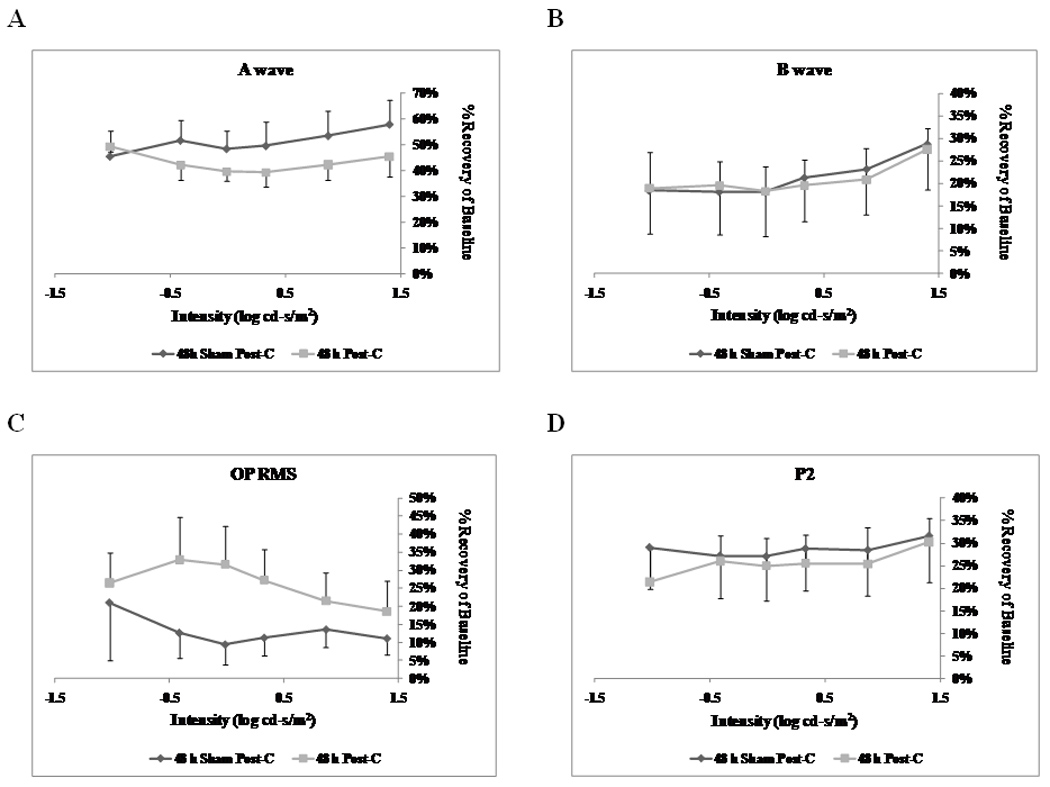
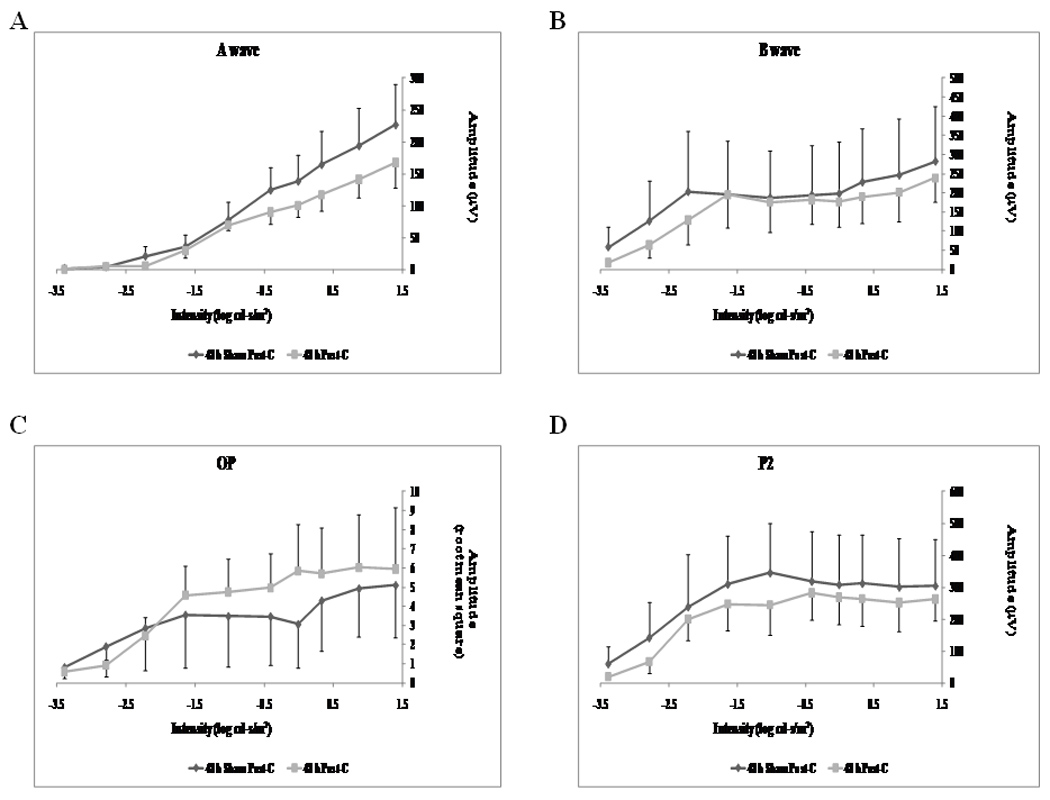
In previous studies, it was shown that post-conditioning, a transient period of brief ischemia following prolonged severe ischemia in the retina, could provide significant improvement in post-ischemic recovery, attenuation of cell loss, and decreased apoptosis. These studies showed that post-conditioning effectively prevented damage after retinal ischemia when it was instituted early (within 1 h) in the post-ischemic period. While post-ischemic conditioning holds high promise of clinical translation, patients often present late after the onset of retinal ischemia and therefore immediate application of this anti-ischemic maneuver is generally not feasible. In this study, we examined the hypothesis that application of a post-conditioning stimulus at 24 h or greater following the end of prolonged ischemia would decrease the extent of ischemic injury. Ischemia was induced in rat retina in vivo. Recovery after ischemia followed by 5 min of post-conditioning brief ischemia 24 or 48 h after prolonged ischemia was assessed functionally (electroretinography) and histologically at 7 days after ischemia and post-conditioning or sham post-conditioning. We found that the brief ischemic stimulus applied 24, but not 48 h after prolonged ischemia significantly improved functional recovery and decreased histological damage induced by prolonged ischemia. We conclude that within a defined time window, delayed post-ischemic conditioning ameliorated post-ischemic injury in rats. Compared to earlier studies, the present work demonstrates for the first time the novel ability of a significantly delayed ischemic stimulus to provide robust neuroprotection in the retina following ischemia.
Copyright © 2011 Elsevier Ltd. All rights reserved.
Conflict of interest statement
There is no conflict of interest or commercial interest for any of the authors.
Figures
References
-
- Bui BV, Edmunds B, Cioffi GA, Fortune B. The gradient of retinal functional changes during acute intraocular pressure elevation. Invest Ophthalmol Vis Sci. 2005;46:202–213. - PubMed
-
- Chen CS, Lee AW. Management of acute central retinal artery occlusion. Nature Clin Pract Neurol. 2008;4:376–383. - PubMed
Publication types
MeSH terms
Grants and funding
LinkOut - more resources
Full Text Sources
Medical
