Review
. 2011 May;11(5):330-42.
doi: 10.1038/nri2970.

Harnessing the biology of IL-7 for therapeutic application

Affiliations
Review

Harnessing the biology of IL-7 for therapeutic application

Crystal L Mackall et al. Nat Rev Immunol. 2011 May.

Abstract

Interleukin-7 (IL-7) is required for T cell development and for maintaining and restoring homeostasis of mature T cells. IL-7 is a limiting resource under normal conditions, but it accumulates during lymphopaenia, leading to increased T cell proliferation. The administration of recombinant human IL-7 to normal or lymphopenic mice, non-human primates and humans results in widespread T cell proliferation, increased T cell numbers, modulation of peripheral T cell subsets and increased T cell receptor repertoire diversity. These effects raise the prospect that IL-7 could mediate therapeutic benefits in several clinical settings. This Review summarizes the biology of IL-7 and the results of its clinical use that are available so far to provide a perspective on the opportunities for clinical application of this cytokine.


Conflict of interest statement

Competing interests statement

The authors declare no competing financial interests.

Figures
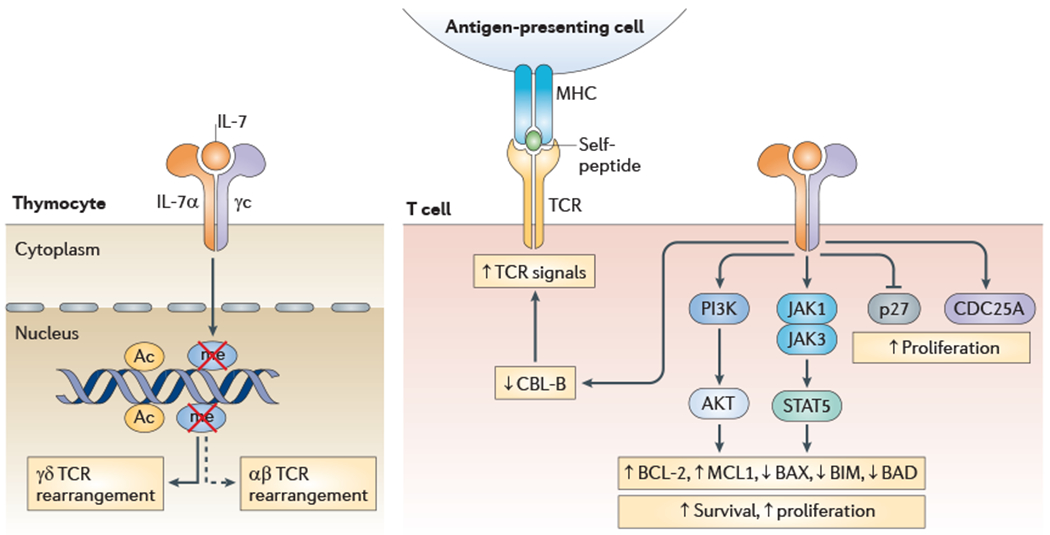
Figure 1 |
Figure 1 |. IL-7-mediated signalling pathways.
Interleukin-7 (IL-7) signals through the IL-7 receptor (IL-7R), a heterodimer comprised of IL-7Rα (also known as CD127) and the common cytokine receptor γ-chain (γc; also known as CD132). During T cell development in the thymus, IL-7-mediated signalling participates in T cell receptor (TCR) gene rearrangement through DNA demethylation and histone acetylation. In all T cells, IL-7-mediated signalling initiates downstream signalling pathways through Janus kinase 1 (JAK1), JAK3 and phosphoinositide 3-kinase (PI3K), resulting in the phosphorylation and activation of signal transducer and activator of transcription 5 (STAT5). This results in changes in the expression of B cell lymphoma 2 (BCL-2) family members, such as increased expression of the anti-apoptotic molecules BCL-2 and MCL1 (myeloid cell leukaemia seguence 1) and decreased expression of the pro-apoptotic molecules BAX (BCL-2-associated X protein), BIM (BCL-2-interacting mediator of cell death) and BAD (BCL-2 antagonist of cell death). IL-7-mediated signalling also leads to decreased levels of the cyclin-dependent kinase inhibitor p27 (also known as p27Kip1), increased levels of CDC25A (cell division cycle 25 homologue A) and changes in the expression of TCR modulators such as Casitas B-lineage lymphoma B (CBL-B).The result of IL-7-mediated signalling is increased T cell survival, increased proliferation, augmented TCR signals and, for recent thymic emigrants,TCR-independent proliferation.
Figure 2 |
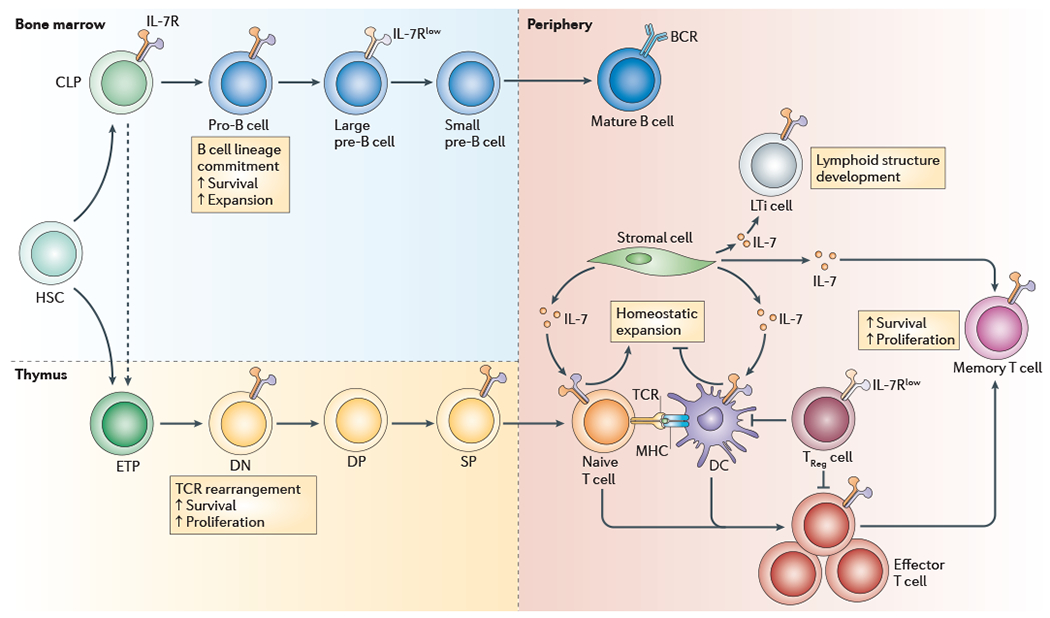
Figure 2 |. IL-7R expression by lymphocytes.
Because expression of the common cytokine receptor γ-chain (γc) is ubiquitous on developing and mature T cells and B cells, interleukin-7 receptor (IL-7R) expression is mainly determined by the presence or absence of IL-7Rα. IL-7Rα expression is tightly regulated throughout T cell and B cell lymphopoiesis. IL-7Rα is not expressed by haematopoietic stem cells (HSCs). During B cell development, IL-7Rα is expressed by common lymphoid progenitor (CLP) cells in the bone marrow and by pro-B cell and large pre-B cell progenitors; IL-7Rα expression is then downregulated on more mature B cell populations. During T cell development, IL-7Rα expression is absent from early T cell lineage progenitor (ETP) cells found in the thymus, a population of cells that is probably derived directly from HSCs but with some evidence indicating that these cells are derived from CLPs. In the thymus, IL-7Rα is expressed by double-negative (DN) thymocytes, then downregulated on double-positive (DP) thymocytes and re-expressed by single-positive (SP) thymocytes and recent thymic emigrants (not shown). During post-thymic T cell differentiation, the expression of IL-7Rα is also tightly regulated. It is expressed by naive T cells, but receptor expression is lost on most effector T cells after activation. A small population of effector T cells probably retain expression of IL-7Rα, which marks them to become long-lived memory T cells. Non-T cells, including lymphoid tissue inducer (LTi) cells and some dendritic cell (DC) subsets, also express IL-7Rα, although the expression of γc is more variable on these subsets. Importantly, IL-7 is not produced by lymphocytes but rather by stromal cells in lymphoid organs. BCR, B cell receptor; TCR, T cell receptor; TReg cell, regulatory T cell.
Figure 3 |
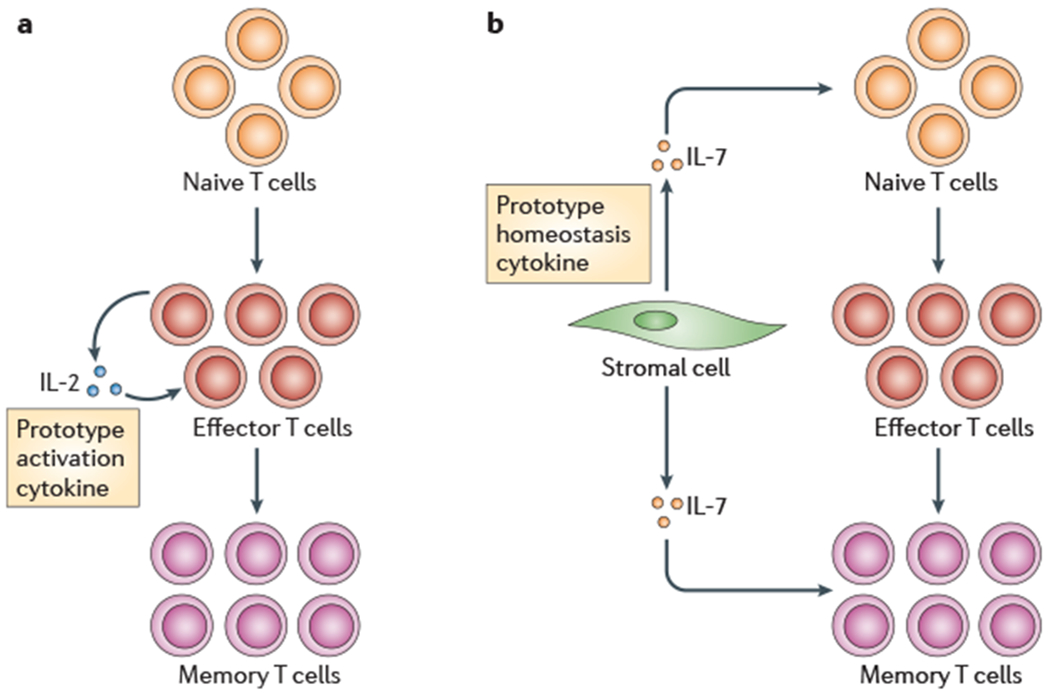
Figure 3 |. Distinctions between a prototypical activation cytokine (IL-2) and a prototypical homeostatic cytokine (IL-7).
a | Interleukin-2 (IL-2) does not mediate signals for resting naive or memory T cells, but it is a crucial growth factor for activated effector T cells and is produced by activated lymphocytes, b | By contrast, IL-7 is a stromal cell-derived cytokine that provides continuous signals to resting naive and memory T cells, but does not signal to most activated effector T cells. Effector T cells that are destined to enter the memory cell pool are an exception to this rule, as they upregulate expression of interleukin-7 receptor-α (IL-7Rα) before the transition (not shown).
Figure 4 |
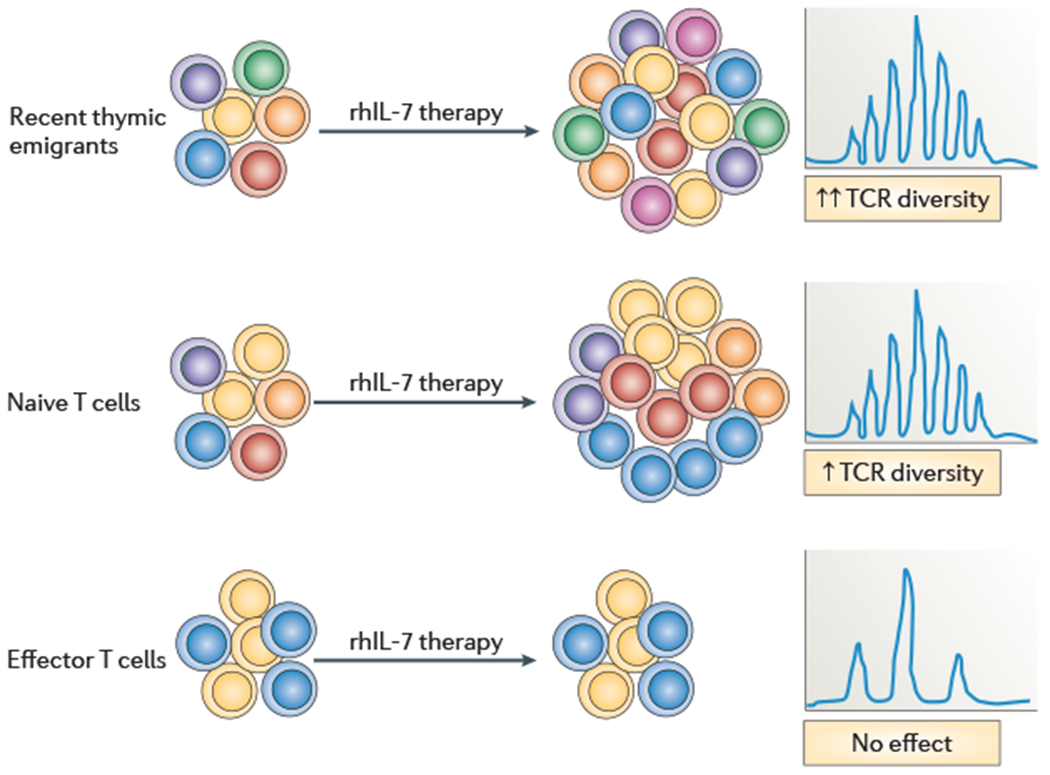
Figure 4 |. Recombinant human IL-7 diversifies the TCR repertoire by preferential expansion of naive T cell populations and recent thymic emigrants.
Recombinant human interleukin-7 (rhIL-7) therapy inducesthe proliferation of mature T cell populations, with differential effects on various subsets. For both CD4+ and CD8+T cells, rhIL-7 induces greater proliferation of the more diverse recent thymic emigrant and naive T cell subsets as compared with the less diverse, effector T cell subsets. This results in a preferential increase in the size of T cell populations that have a diverse T cell receptor (TCR) repertoire in the peripheral T cell pool and a net increase in TCR repertoire diversity overall. This effect seems to be age independent and does not reguire increased thymopoiesis, although a thymopoietic effect of rhIL-7, if it were to occur, would be predicted to enhance the potency of the overall TCR repertoire diversification.

References

    1. Guimond M et al. Interleukin 7 signaling in dendritic cells regulates the homeostatic proliferation and niche size of CD4+ T cells. Nature Immunol. 10, 149–157 (2009). - PMC - PubMed
    2. The first definitive evidence that the increased levels of IL-7 during lymphopaenia are the result of decreased consumption rather than increased production. This study also identifies IL-7-mediated signalling on DCs as a modulator of T cell homeostasis.

    1. Pellegrini M et al. Adjuvant IL-7 antagonizes multiple cellular and molecular inhibitory networks to enhance immunotherapies. Nature Med. 15, 528–536 (2009). - PubMed
    2. This study provides mechanistic insight into the vaccine adjuvant effect of IL-7 and increases the known targets of IL-7-mediated signalling to include negative regulators of the T cell response such as CBL-B and SMURF2.

    1. Park JH et al. Suppression of IL7Ra transcription by IL-7 and other prosurvival cytokines: a novel mechanism for maximizing IL-7-dependent T cell survival. Immunity 21, 289–302 (2004). - PubMed
    2. This study established IL-7 as a limiting resource for T cells.

    1. Fry TJ et al. IL-7 therapy dramatically alters peripheral T-cell homeostasis in normal and SIV-infected nonhuman primates. Blood 101,2294–2299 (2003). - PubMed
    2. The first demonstration that the effects of in vivo IL-7 administration extend to non-human primates. This study also showed that IL-7-mediated signalling downregulates expression of IL-7Rα.

    1. Khaled AR & Durum SK Death and Baxes: mechanisms of lymphotrophic cytokines. Immunol. Rev 193, 48–57 (2003). - PubMed

Publication types

MeSH terms