


Astrocytes: targets for neuroprotection in stroke
- PMID: 21521168
- PMCID: PMC3167939
- DOI: 10.2174/187152411796011303
Astrocytes: targets for neuroprotection in stroke
Abstract
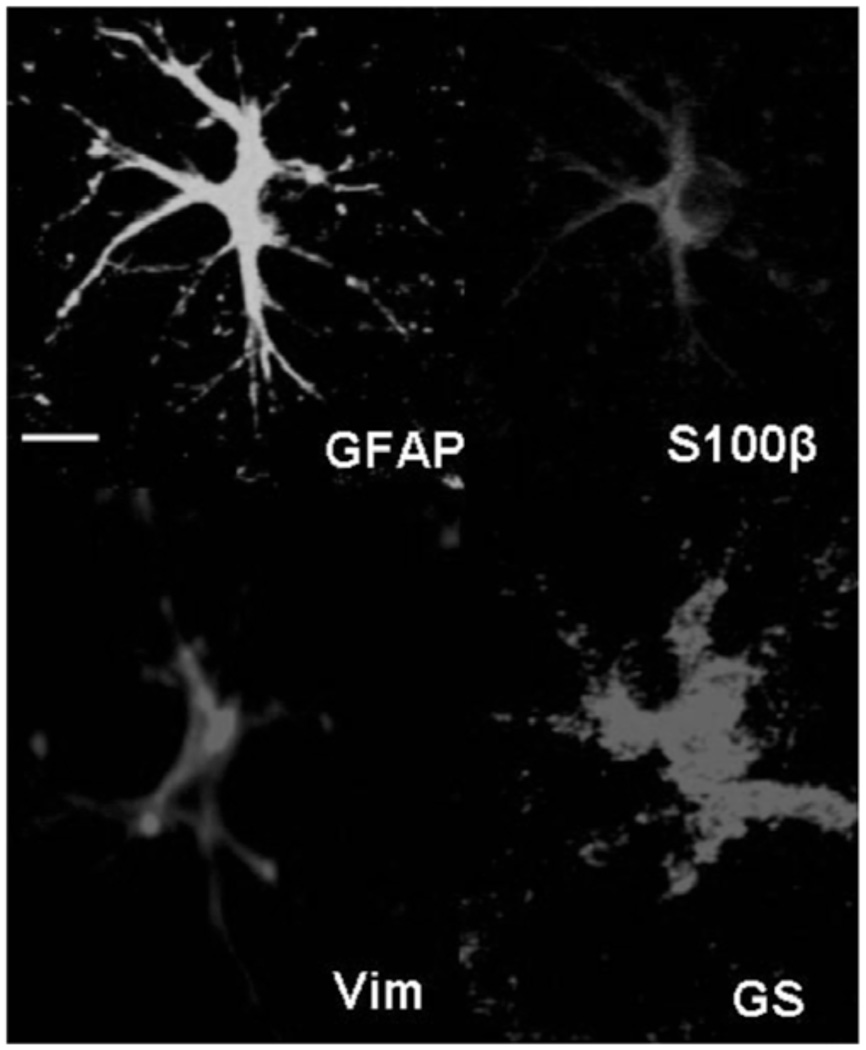
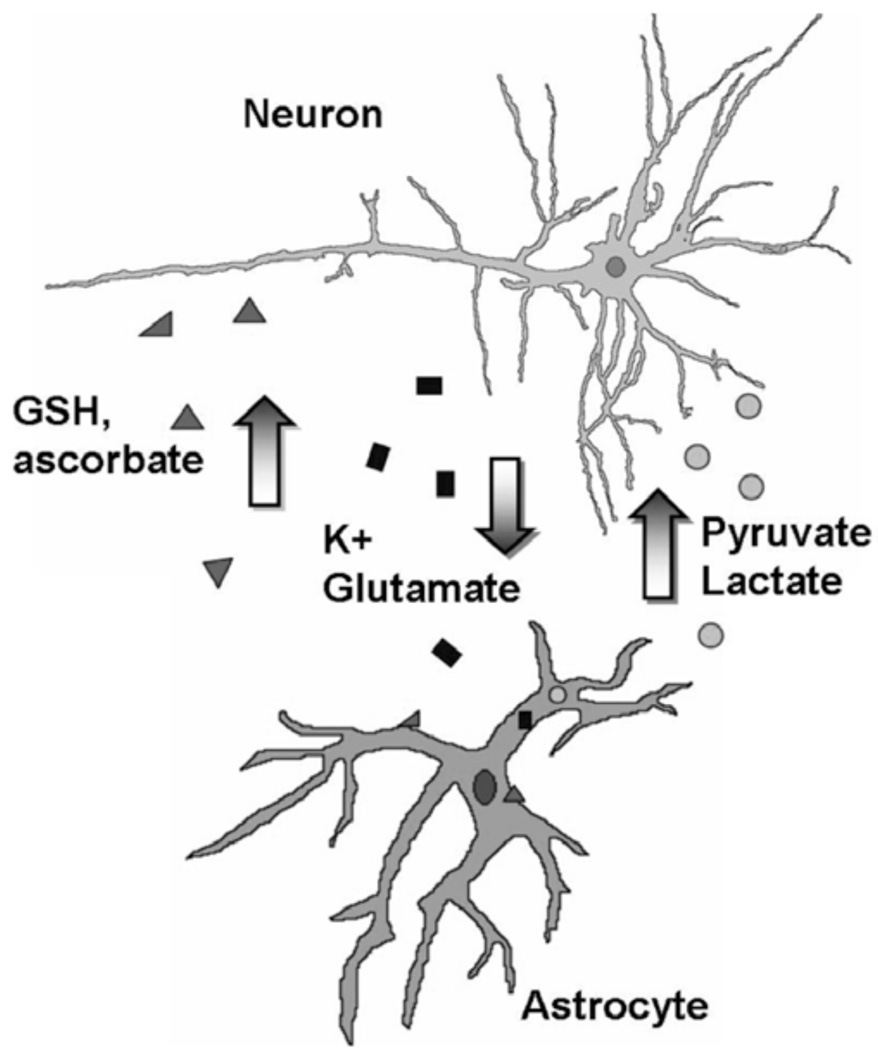
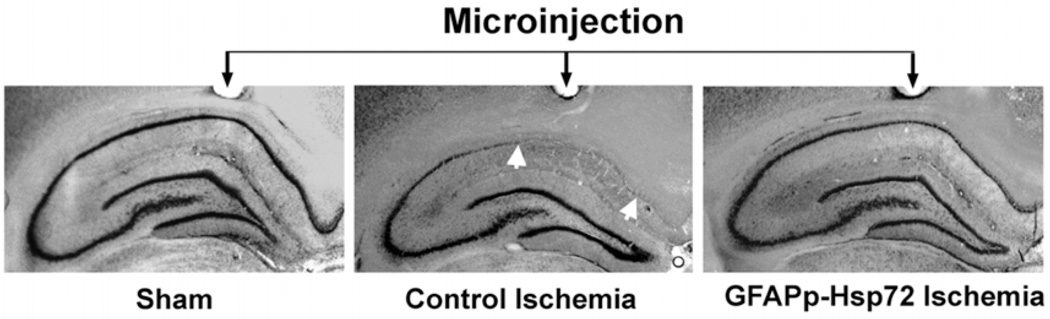
In the past two decades, over 1000 clinical trials have failed to demonstrate a benefit in treating stroke, with the exception of thrombolytics. Although many targets have been pursued, including antioxidants, calcium channel blockers, glutamate receptor blockers, and neurotrophic factors, often the focus has been on neuronal mechanisms of injury. Broader attention to loss and dysfunction of non-neuronal cell types is now required to increase the chance of success. Of the several glial cell types, this review will focus on astrocytes. Astrocytes are the most abundant cell type in the higher mammalian nervous system, and they play key roles in normal CNS physiology and in central nervous system injury and pathology. In the setting of ischemia astrocytes perform multiple functions, some beneficial and some potentially detrimental, making them excellent candidates as therapeutic targets to improve outcome following stroke and in other central nervous system injuries. The older neurocentric view of the central nervous system has changed radically with the growing understanding of the many essential functions of astrocytes. These include K+ buffering, glutamate clearance, brain antioxidant defense, close metabolic coupling with neurons, and modulation of neuronal excitability. In this review, we will focus on those functions of astrocytes that can both protect and endanger neurons, and discuss how manipulating these functions provides a novel and important strategy to enhance neuronal survival and improve outcome following cerebral ischemia.
Figures
References
-
- Lloyd-Jones D, Adams RJ, Brown TM, Carnethon M, Dai S, De Simone G, Ferguson TB, Ford E, Furie K, Gillespie C, Go A, Greenlund K, Haase N, Hailpern S, Ho PM, Howard V, Kissela B, Kittner S, Lackland D, Lisabeth L, Marelli A, McDermott MM, Meigs J, Mozaffarian D, Mussolino M, Nichol G, Roger VL, Rosamond W, Sacco R, Sorlie P, Roger VL, Thom T, Wasserthiel-Smoller S, Wong ND, Wylie-Rosett J. Heart disease and stroke statistics--2010 update: a report from the American Heart Association. Circulation. 2010;121:e46–e215. - PubMed
-
- Blakeley JO, Llinas RH. Thrombolytic therapy for acute ischemic stroke. J. Neurol. Sci. 2007;261:55–62. - PubMed
-
- Bernard SA, Gray TW, Buist MD, Jones BM, Silvester W, Gutteridge G, Smith K. Treatment of comatose survivors of out-of-hospital cardiac arrest with induced hypothermia. N. Engl. J. Med. 2002;346:557–563. - PubMed
Publication types
MeSH terms
Substances
Grants and funding
LinkOut - more resources
Full Text Sources
Other Literature Sources
Medical
Miscellaneous