


Metabolic imbalance and prostate cancer progression
- PMID: 21532839
- PMCID: PMC3076778
Metabolic imbalance and prostate cancer progression
Abstract
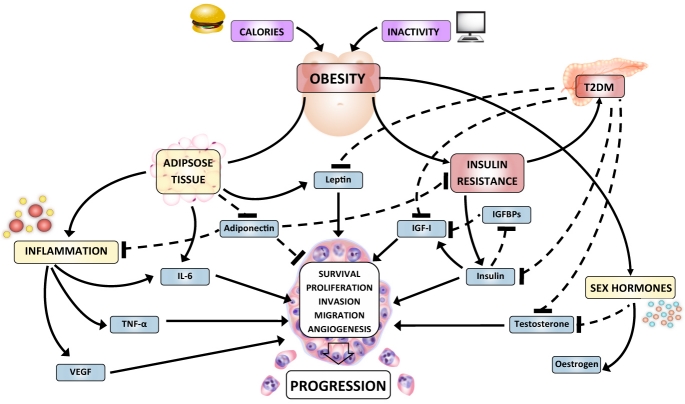
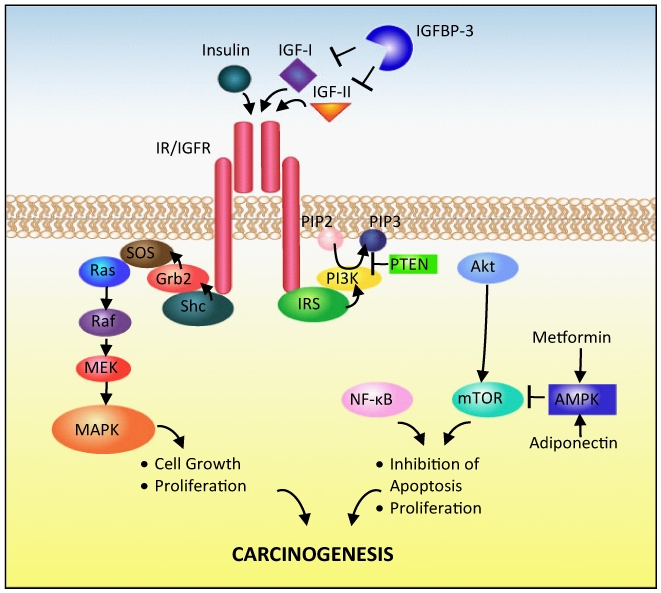
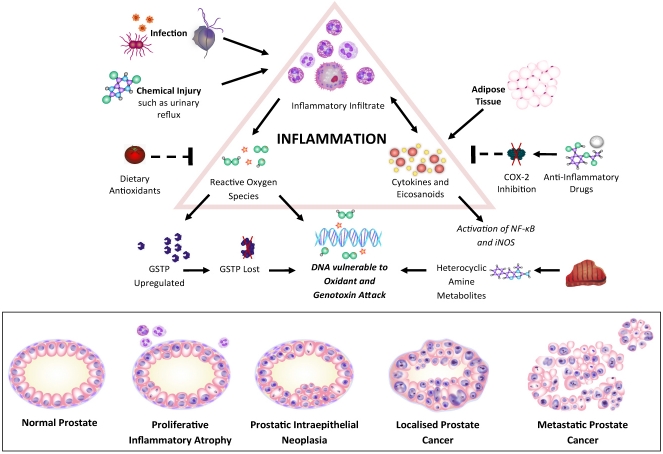
There is substantial evidence implicating environmental factors in the progression of prostate cancer. The metabolic consequences of a western lifestyle, such as obesity, insulin resistance and abnormal hormone production have been linked to prostate carcinogenesis through multiple overlapping pathways. Insulin resistance results in raised levels of the mitogens insulin and insulin-like growth factor-1, both of which may affect prostate cancer directly, or through their effect on other metabolic regulators. Obesity is associated with abnormal levels of adipocyte-derived peptides (adipokines), sex hormones and inflammatory cytokines. Adipokines have been shown to influence prostate cancer in both cell culture studies and observational, population level studies. Testosterone appears to have a complex relationship with prostate carcinogenesis, and it has been suggested that the lower levels associated with obesity may select for more aggressive androgen independent prostate cancer cells. Prostatic inflammation, caused by infection, urinary reflux or dietary toxins, frequently occurs prior to cancer development and may influence progression to advanced disease. High levels of ω-6 fatty acids in the diet may lead to the production of further inflammatory molecules that may influence prostate cancer. Increased fatty acid metabolism occurs within tumour cells, providing a potential target for prostate cancer therapies. Aberrations in amino acid metabolism have also been identified in prostate cancer tissue, particularly in metastatic cancer. This evidence indicates lifestyle interventions may be effective in reducing the incidence of clinical disease. However, much more research is needed before recommendations are made.
Keywords: Prostate cancer; adipokines; diabetes; inflammation; insulin-like growth factors; metabolism; obesity.
Figures
References
-
- Owen DH, Katz DF. A review of the physical and chemical properties of human semen and the formulation of a semen simulant. J Androl. 2005;26(4):459–469. - PubMed
-
- Balk SP, Ko YJ, Bubley GJ. Biology of prostate-specific antigen. J Clin Oncol. 2003;21(2):383–391. - PubMed
-
- Krieger JN, Riley DE, Cheah PY, Liong ML, Yuen KH. Epidemiology of prostatitis: new evidence for a world-wide problem. World Journal of Urology. 2003;21(2):70–74. - PubMed
-
- Frankel S, Smith GD, Donovan J, Neal D. Screening for prostate cancer. The Lancet. 2003;361(9363):1122–1128. - PubMed
Grants and funding
LinkOut - more resources
Full Text Sources