


Chromatin as a target antigen in human and murine lupus nephritis
- PMID: 21542875
- PMCID: PMC3132027
- DOI: 10.1186/ar3281
Chromatin as a target antigen in human and murine lupus nephritis
Abstract
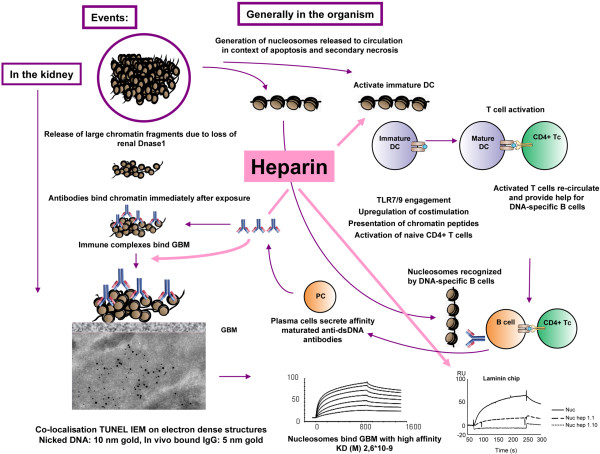
The present review focuses on pathogenic molecular and transcriptional events in patients with lupus nephritis. These factors are renal DNaseI, exposed chromatin fragments and the corresponding chromatin-reactive autoantibodies. Lupus nephritis is the most serious complication in human systemic lupus erythematosus, and is characterised by deposition of chromatin fragment-IgG complexes in the mesangial matrix and glomerular basement membranes. The latter deposition defines end-stage disease. This event is stringently linked to a renal-restricted shutdown of expression of the DNaseI gene, as determined by loss of DNaseI mRNA level and DNaseI enzyme activity. The major aim of the present review is to generate new therapeutic strategies based on new insight into the disease pathogenesis.
Figures
References
-
- Ceppellini R, Polli E, Celada F. A DNA-reacting factor in serum of a patient with lupus erythematosus diffusus. Proc Soc Exp Biol Med. 1957;96:572–574. - PubMed
-
- Robbins WC, Holman HR, Deicher H, Kungel HG. Complement fixation with cell nuclei and DNA in lupus erythematosus. Proc Soc Exp Biol Med. 1957;96:575–579. - PubMed
-
- Seligmann M. Demonstration in the blood of patients with disseminated lupus erythematosus a substance determining a precipitation reaction with desoxyribonucleic acid. C R Hebd Seances Acad Sci. 1957;245:243–245. - PubMed
Publication types
MeSH terms
Substances
LinkOut - more resources
Full Text Sources
