Breastfeeding and non-nutritive sucking patterns related to the prevalence of anterior open bite in primary dentition
- PMID: 21552718
- PMCID: PMC4243755
- DOI: 10.1590/s1678-77572011000200013
Breastfeeding and non-nutritive sucking patterns related to the prevalence of anterior open bite in primary dentition
Abstract
Objective: Nutritional, immunological and psychological benefits of exclusive breastfeeding for the first 6 months of life are unequivocally recognized. However, mothers should also be aware of the importance of breastfeeding for promoting adequate oral development. This study evaluated the association between breastfeeding and non-nutritive sucking patterns and the prevalence of anterior open bite in primary dentition.
Material and methods: Infant feeding and non-nutritive sucking were investigated in a 3-6 year-old sample of 1,377 children, from São Paulo city, Brazil. Children were grouped according to breastfeeding duration: G1--non-breastfed, G2--shorter than 6 months, G3--interruption between 6 and 12 months, and G4--longer than 12 months. Three calibrated dentists performed clinical examinations and classified overbite into 3 categories: normal, anterior open bite and deep bite. Chi-square tests (p<0.05) with odds ratio (OR) calculation were used for intergroup comparisons. The impact of breastfeeding and non-nutritive sucking on the prevalence of anterior open bite was analyzed using binary logistic regression.
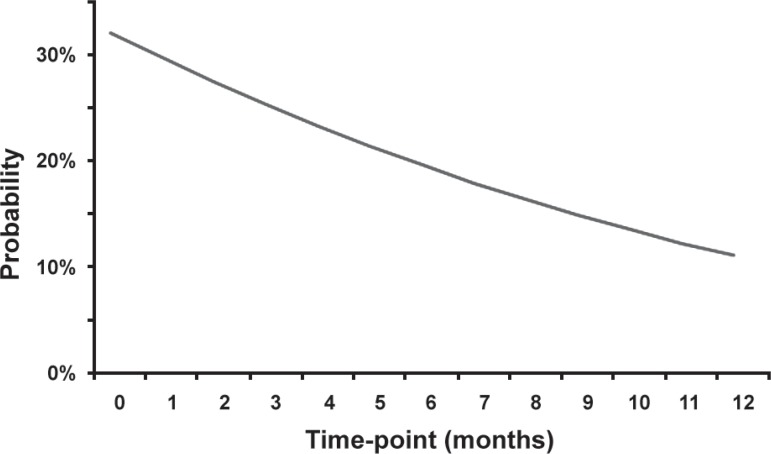
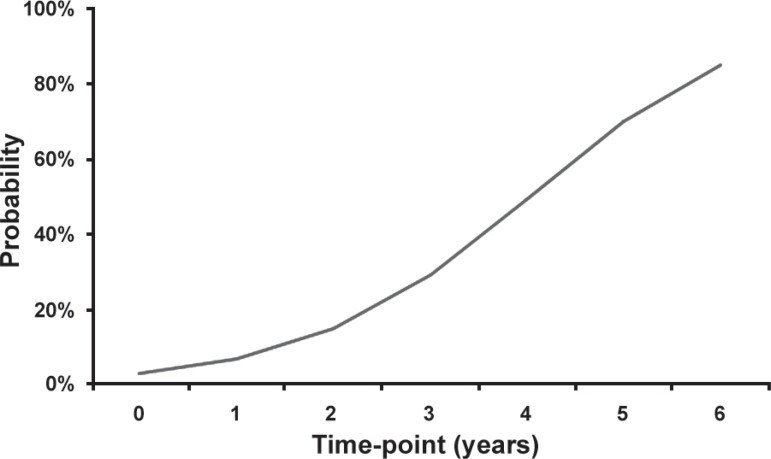
Results: The prevalence estimates of anterior open bite were: 31.9% (G1), 26.1% (G2), 22.1% (G3), and 6.2% (G4). G1 would have significantly more chances of having anterior open bite compared with G4; in the total sample (OR=7.1) and in the subgroup without history of non-nutritive sucking (OR=9.3). Prolonging breastfeeding for 12 months was associated with a 3.7 times lower chance of having anterior open bite. In each year of persistence with non-nutritive sucking habits, the chance of developing this malocclusion increased in 2.38 times.
Conclusions: Breastfeeding and non-nutritive sucking durations demonstrated opposite effects on the prediction of anterior open bite. Non-breastfed children presented significantly greater chances of having anterior open bite compared with those who were breastfed for periods longer than 12 months, demonstrating the beneficial influence of breastfeeding on dental occlusion.
Figures
References
-
- Adair SM, Milano M, Lorenzo I, Russel C. Effects of current and former pacifier use on the dentition of 24- to 59-month-old children. Pediatr Dent. 1995;17:437–444. - PubMed
-
- Bishara SE, Warren JJ, Broffitt B, Levy SM. Changes in the prevalence of nonnutritive sucking patterns in the first 8 years of life. Am J Orthod Dentofacial Orthop. 2006;130:31–36. - PubMed
-
- Degano MP, Degano RA. Breastfeeding and oral health. A primer for the dental practitioner. N Y State Dent J. 1993;59:30–32. - PubMed
-
- Foster TD, Hamilton MC. Occlusion in the primary dentition. Study of children at 2 and one-half to 3 years of age. Br Dent J. 1969;126:76–79. - PubMed
-
- Ganesh M, Tandon S, Sajida B. Prolonged feeding practice and its effects on developing dentition. J Indian Soc Pedod Prev Dent. 2005;23:141–145. - PubMed