


Enhanced polyubiquitination of Shank3 and NMDA receptor in a mouse model of autism
- PMID: 21565394
- PMCID: PMC3110672
- DOI: 10.1016/j.cell.2011.03.052
Enhanced polyubiquitination of Shank3 and NMDA receptor in a mouse model of autism
Retraction in
-
Retraction notice to: Enhanced polyubiquitination of Shank3 and NMDA receptor in a mouse model of autism.Cell. 2013 Jan 17;152(1-2):367. doi: 10.1016/j.cell.2012.12.039. Cell. 2013. PMID: 23332766 Free PMC article. No abstract available.
Abstract
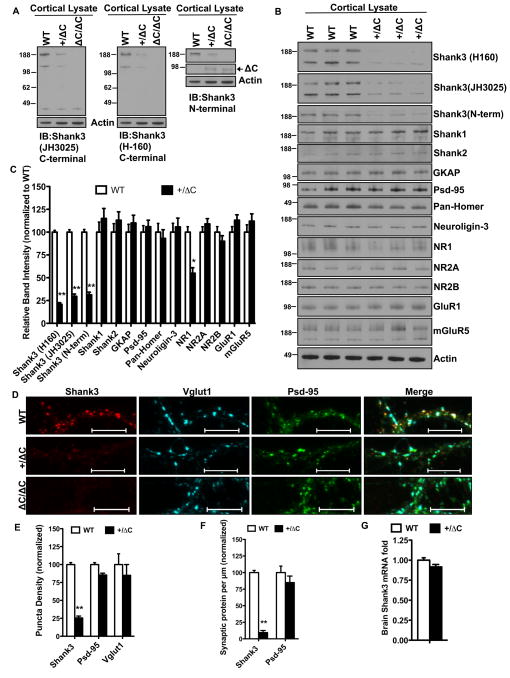
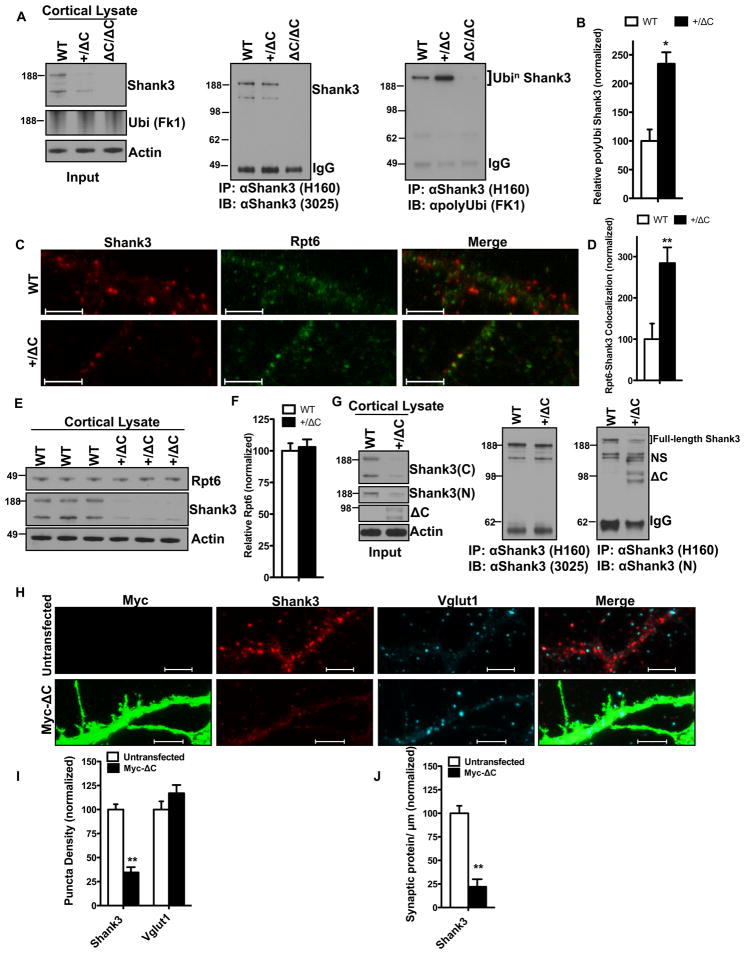
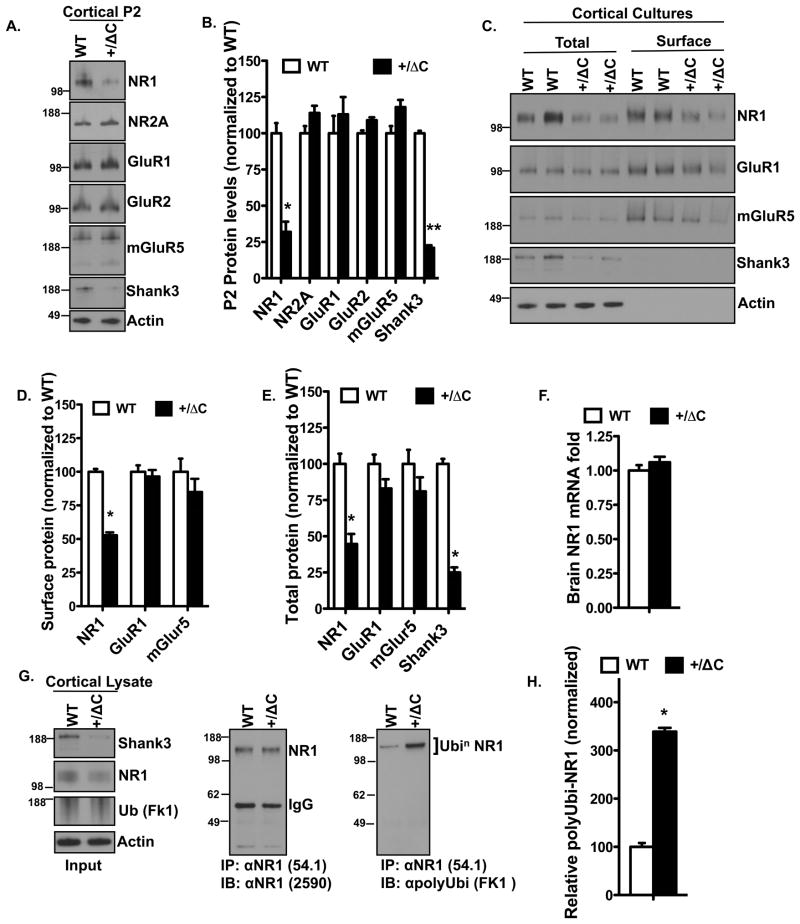
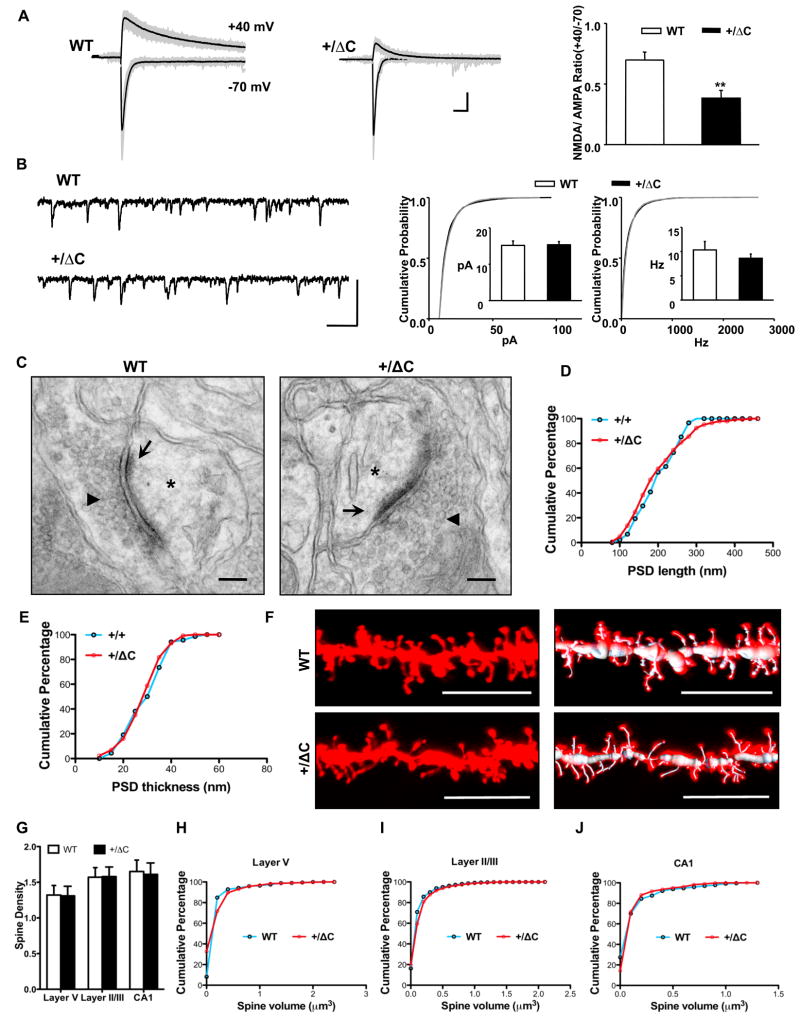
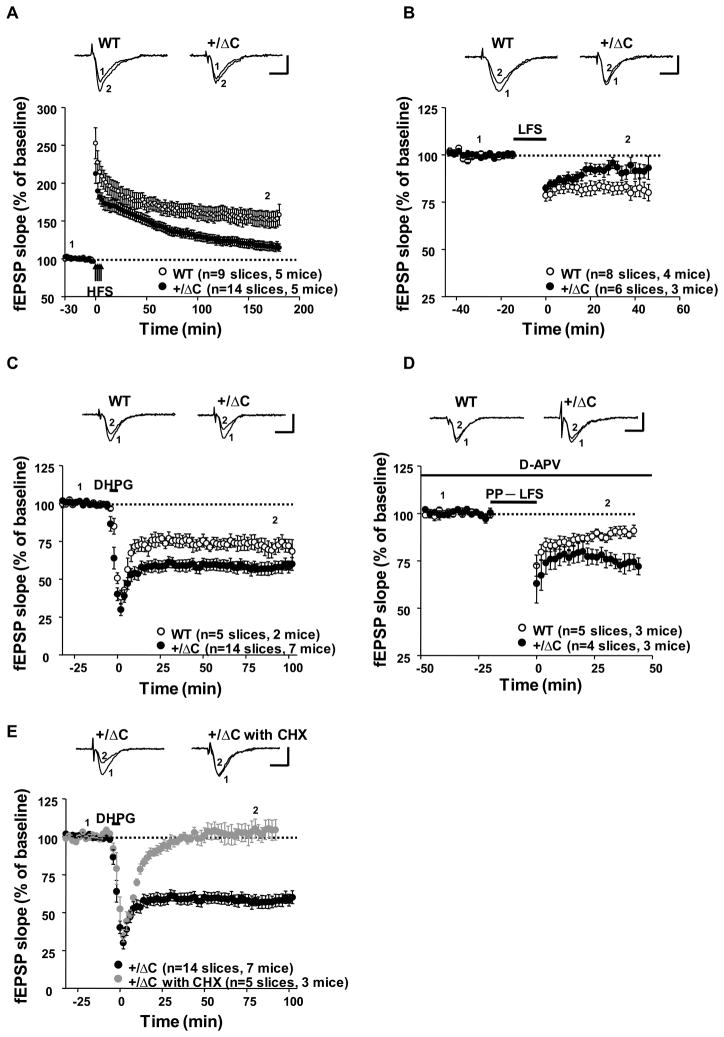
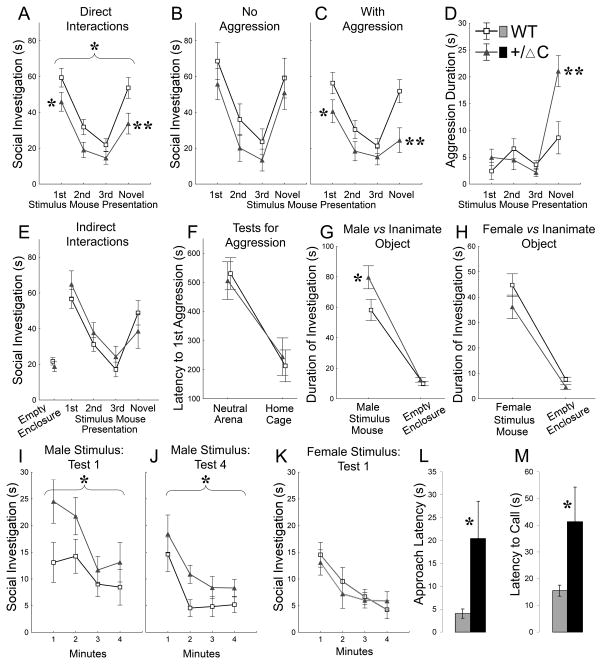
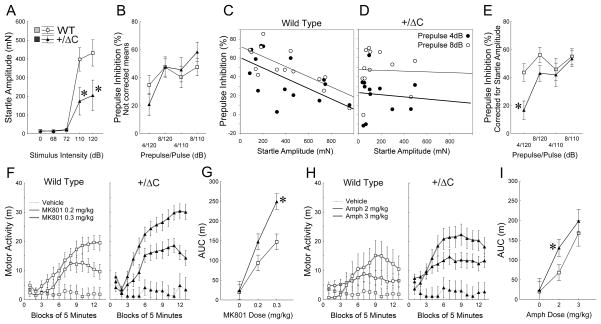
We have created a mouse genetic model that mimics a human mutation of Shank3 that deletes the C terminus and is associated with autism. Expressed as a single copy [Shank3(+/ΔC) mice], Shank3ΔC protein interacts with the wild-type (WT) gene product and results in >90% reduction of Shank3 at synapses. This "gain-of-function" phenotype is linked to increased polyubiquitination of WT Shank3 and its redistribution into proteasomes. Similarly, the NR1 subunit of the NMDA receptor is reduced at synapses with increased polyubiquitination. Assays of postsynaptic density proteins, spine morphology, and synapse number are unchanged in Shank3(+/ΔC) mice, but the amplitude of NMDAR responses is reduced together with reduced NMDAR-dependent LTP and LTD. Reciprocally, mGluR-dependent LTD is markedly enhanced. Shank3(+/ΔC) mice show behavioral deficits suggestive of autism and reduced NMDA receptor function. These studies reveal a mechanism distinct from haploinsufficiency by which mutations of Shank3 can evoke an autism-like disorder.
Copyright © 2011 Elsevier Inc. All rights reserved.
Figures
References
-
- Bear MF, Huber KM, Warren ST. The mGluR theory of fragile X mental retardation. Trends Neurosci. 2004;27:370–377. - PubMed
-
- Beneken J, Tu JC, Xiao B, Nuriya M, Yuan JP, Worley PF, Leahy DJ. Structure of the Homer EVH1 domain-peptide complex reveals a new twist in polyproline recognition. Neuron. 2000;26:143–154. - PubMed
-
- Brakeman PR, Lanahan AA, O’Brien R, Roche K, Barnes CA, Huganir RL, Worley PF. Homer: a protein that selectively binds metabotropic glutamate receptors. Nature. 1997;386:284–288. - PubMed
-
- Condra JA, Neibergs H, Wei W, Brennan MD. Evidence for two schizophrenia susceptibility genes on chromosome 22q13. Psychiatr Genet. 2007;17:292–298. - PubMed
Publication types
MeSH terms
Substances
Grants and funding
LinkOut - more resources
Full Text Sources
Other Literature Sources
Molecular Biology Databases
