


Proteomics and biomarkers in clinical trials for drug development
- PMID: 21570499
- PMCID: PMC3158266
- DOI: 10.1016/j.jprot.2011.04.023
Proteomics and biomarkers in clinical trials for drug development
Abstract
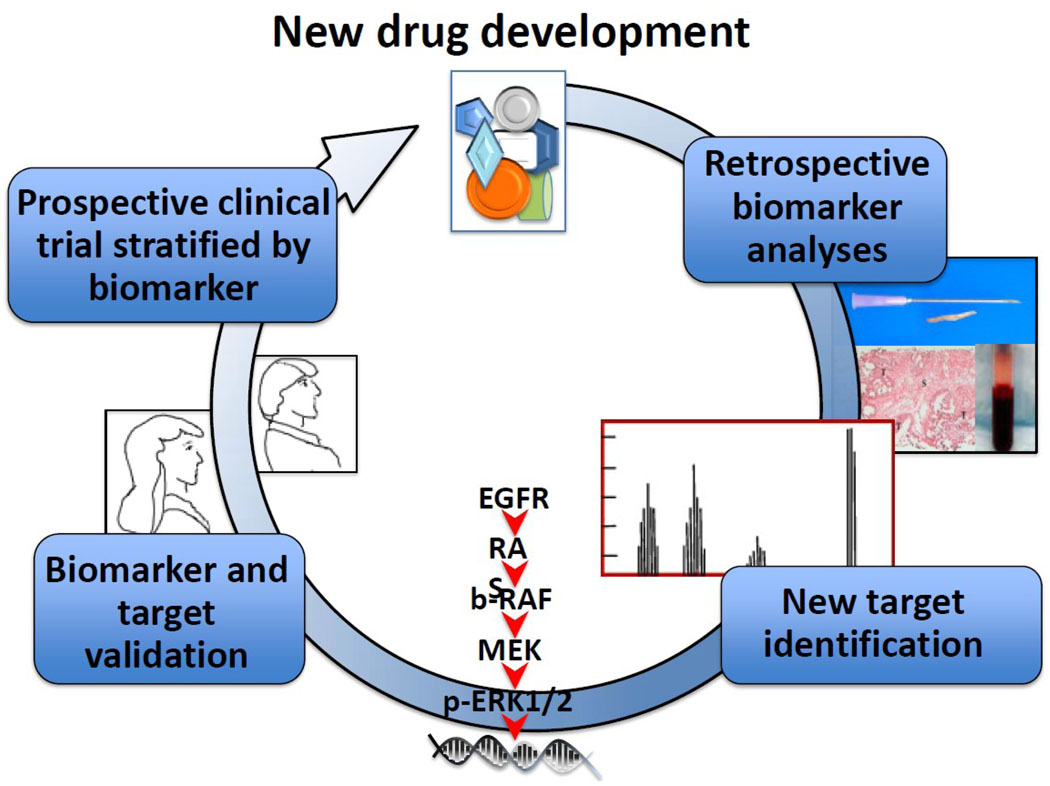
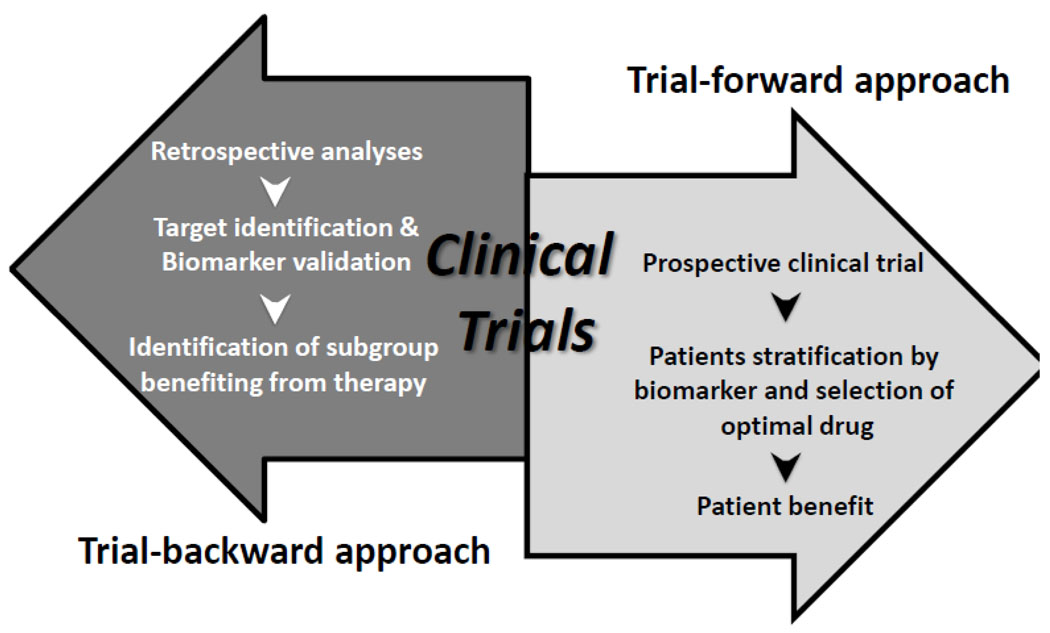
Proteomics allows characterization of protein structure and function, protein-protein interactions, and peptide modifications. It has given us insight into the perturbations of signaling pathways within tumor cells and has improved the discovery of new therapeutic targets and possible indicators of response to and duration of therapy. The discovery, verification, and validation of novel biomarkers are critical in streamlining clinical development of targeted compounds, and directing rational treatments for patients whose tumors are dependent upon select signaling pathways. Studies are now underway in many diseases to examine the immune or inflammatory proteome, vascular proteome, cancer or disease proteome, and other subsets of the specific pathology microenvironment. Successful assay verification and biological validation of such biomarkers will speed development of potential agents to targetable dominant pathways and lead to selection of individuals most likely to benefit. Reconsideration of analytical and clinical trials methods for acquisition, examination, and translation of proteomics data must occur before we march further into future of drug development.
Published by Elsevier B.V.
Figures
References
-
- Atkinson AJCW, DeGruttola V, DeMets DL, Downing GJ, Hoth DF, Oates JA, Peck CC, Schooley RT, Spilker BA, Woodcock J, Zeger SL. Biomarkers Definitions Working Group: Biomarkers and Surrogate Endpoints: Preferred Definitions and Conceptual Framework. Clin Pharmacol Ther. 2001;69:89–95. - PubMed
-
- Sargent DJ, Conley BA, Allegra C, Collette L. Clinical trial designs for predictive marker validation in cancer treatment trials. J Clin Oncol. 2005;23:2020–2027. - PubMed
-
- Dent R, Trudeau M, Pritchard KI, et al. Triple-negative breast cancer: clinical features and patterns of recurrence. Clin Cancer Res. 2007;13:4429–4434. - PubMed
-
- Paik S, Hazan R, Fisher ER, et al. Pathologic findings from the National Surgical Adjuvant Breast and Bowel Project: prognostic significance of erbB-2 protein overexpression in primary breast cancer. J Clin Oncol. 1990;8:103–112. - PubMed
Publication types
MeSH terms
Substances
Grants and funding
LinkOut - more resources
Full Text Sources
