


Training with own-race faces can improve processing of other-race faces: evidence from developmental prosopagnosia
- PMID: 21570991
- PMCID: PMC11025337
- DOI: 10.1016/j.neuropsychologia.2011.04.031
Training with own-race faces can improve processing of other-race faces: evidence from developmental prosopagnosia
Abstract
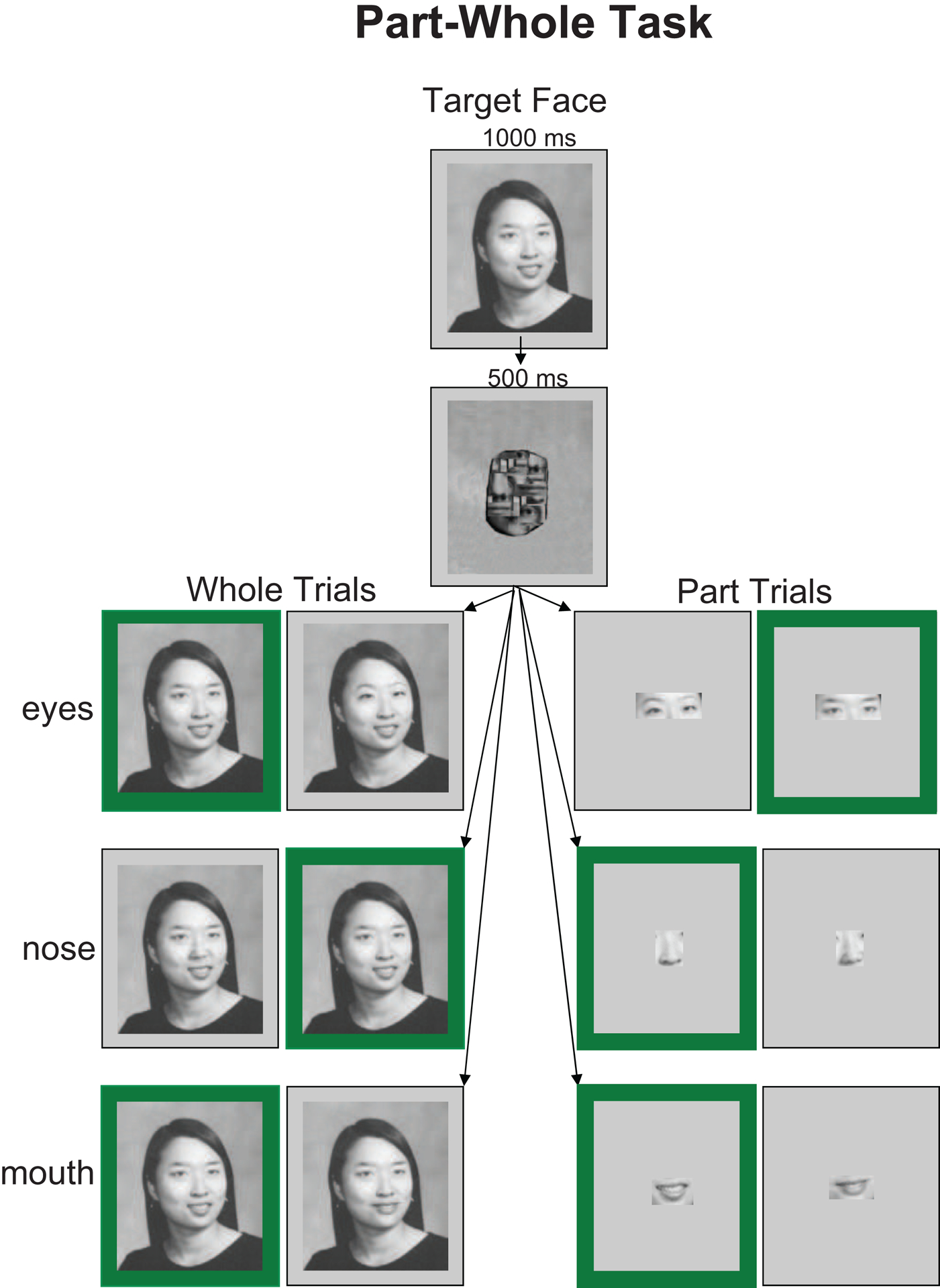
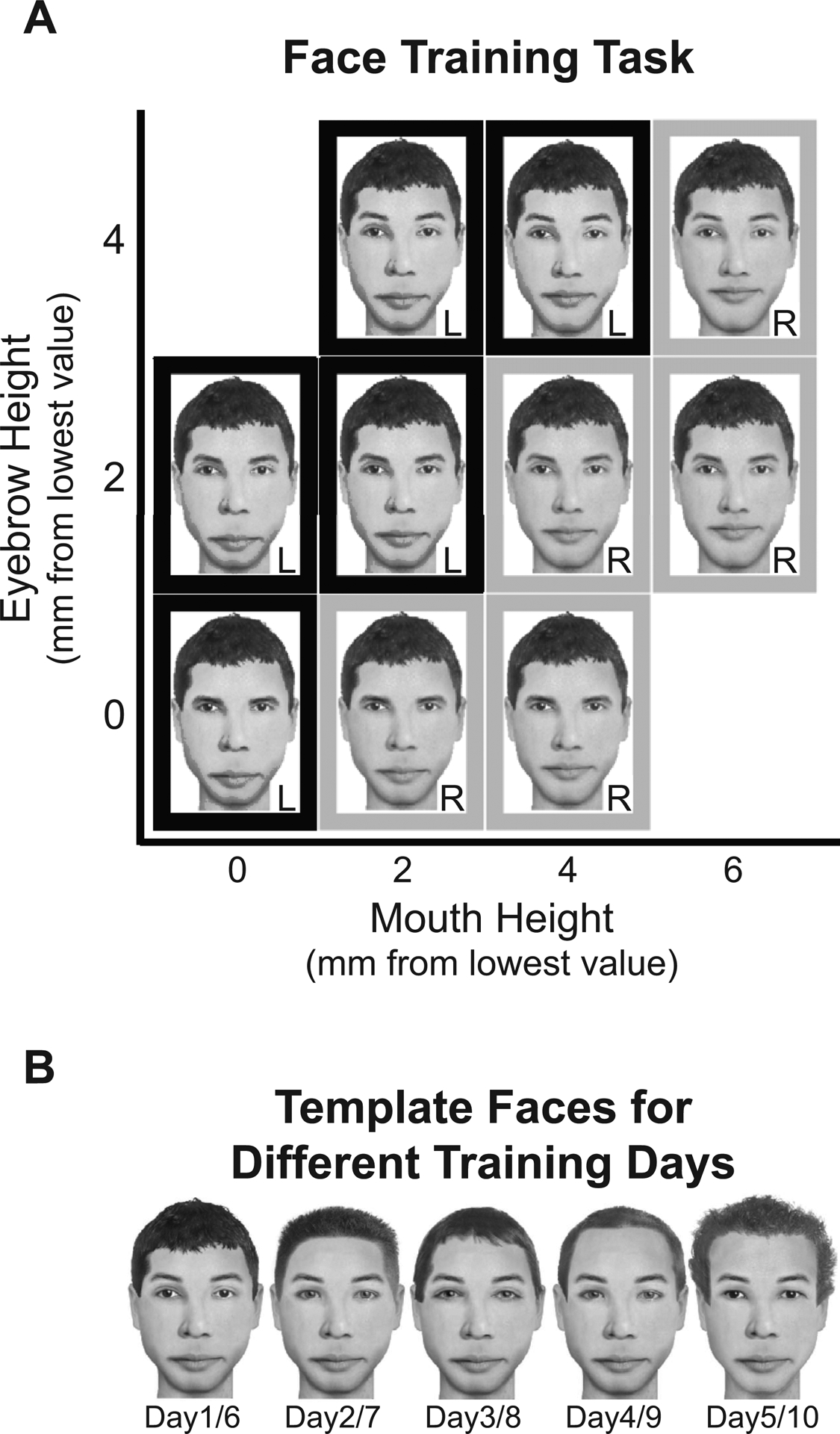
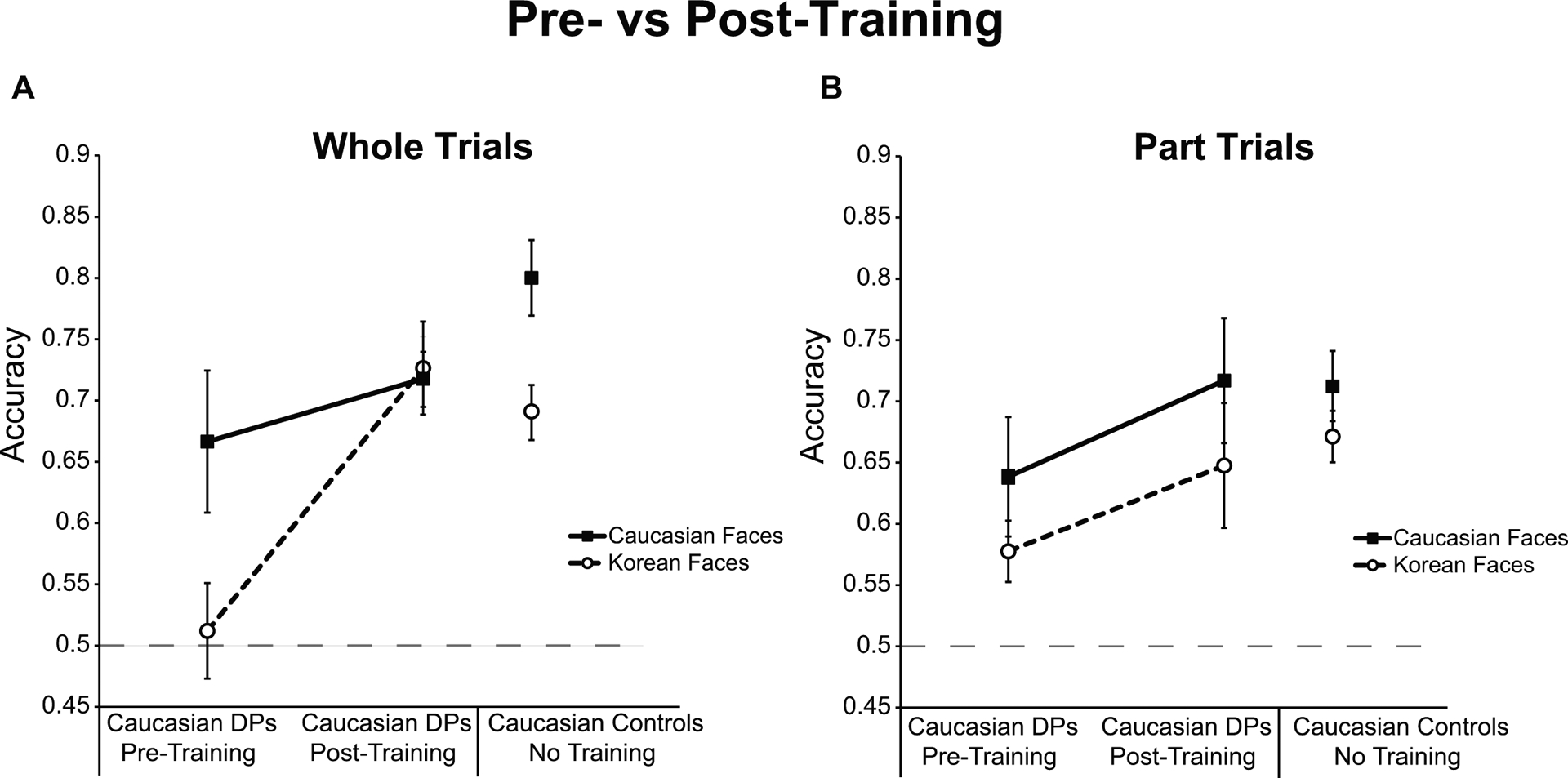
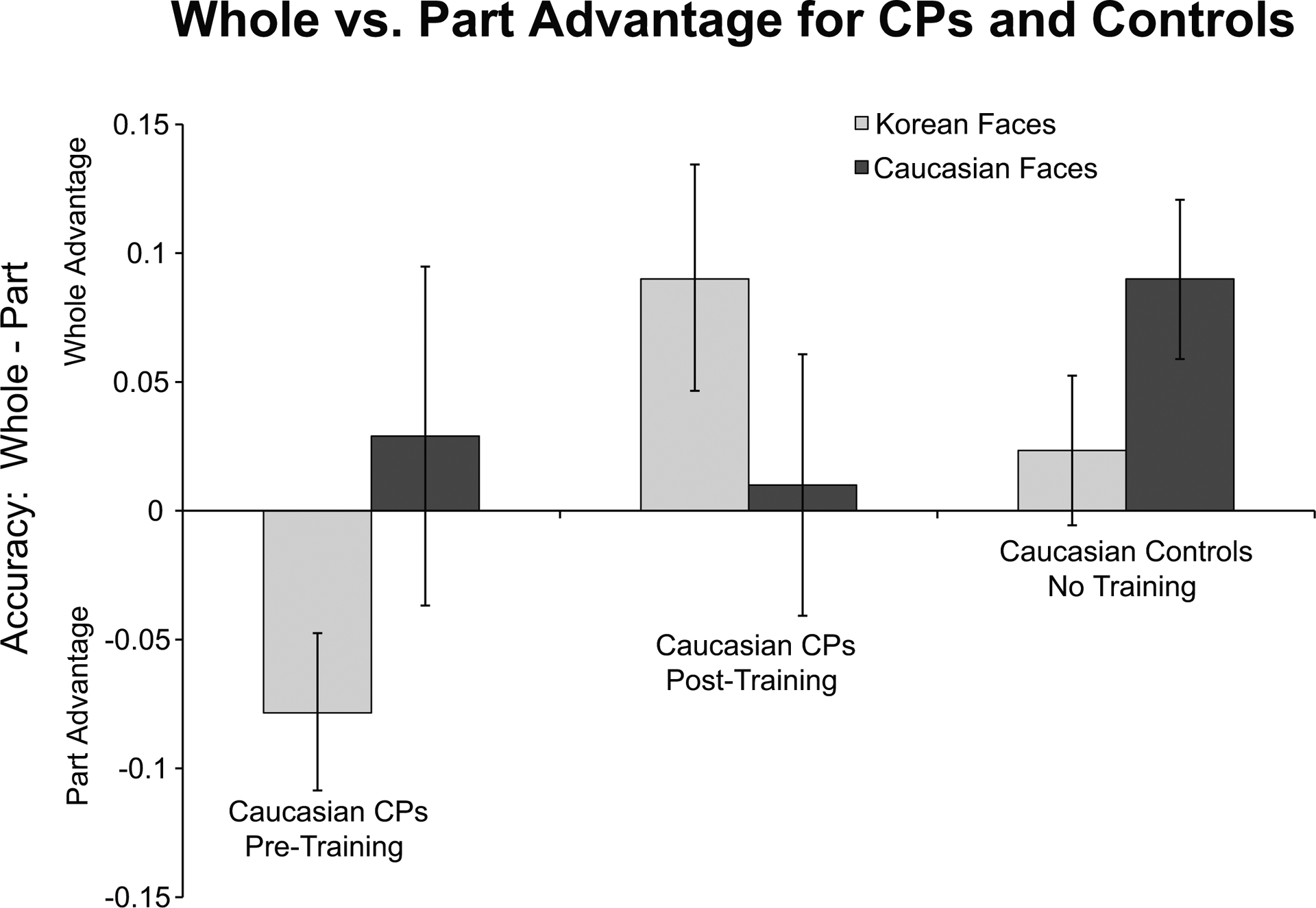
Faces of one's own race are discriminated and recognized more accurately than faces of an other race (other-race effect - ORE). Studies have employed several methods to enhance individuation and recognition of other-race faces and reduce the ORE, including intensive perceptual training with other-race faces and explicitly instructing participants to individuate other-race faces. Unfortunately, intensive perceptual training has shown to be specific to the race trained and the use of explicit individuation strategies, though applicable to all races, can be demanding of attention and difficult to consistently employ. It has not yet been demonstrated that a training procedure can foster the automatic individuation of all other-race faces, not just faces from the race trained. Anecdotal evidence from a training procedure used with developmental prosopagnosics (DPs) in our lab, individuals with lifelong face recognition impairments, suggests that this may be possible. To further test this idea, we had five Caucasian DPs perform ten days of configural face training (i.e. attending to small spacing differences between facial features) with own-race (Caucasian) faces to see if training would generalize to improvements with other-race (Korean) faces. To assess training effects and localize potential effects to parts-based or holistic processing, we used the part-whole task using Caucasian and Korean faces (Tanaka, J. W., Kiefer, M., & Bukach, C. M. (2004). A holistic account of the own-race effect in face recognition: evidence from a cross-cultural study. Cognition, 93(1), B1-9). Results demonstrated that after training, DPs showed a disproportionate improvement in holistic processing of other-race faces compared to own-race faces, reducing their ORE. This suggests that configural training with own-race faces boosted DPs' general configural/holistic attentional resources, which they were able to apply to other-race faces. This provides a novel method to reduce the ORE and supports more of an attentional/social-cognitive model of the ORE rather than a strictly expertise model.
Copyright © 2011 Elsevier Ltd. All rights reserved.
Figures
References
-
- Avidan G, Behrmann M. (2008). Implicit familiarity processing in congenital prosopagnosia. J Neuropsychol. Mar;2(Pt 1):141–64. - PubMed
-
- Awh E, Serences J, Laurey P, Dhaliwal H, van der Jagt T, Dassonville P. (2004). Evidence against a central bottleneck during the attentional blink: multiple channels for configural and featural processing. Cogn Psychol. Jan;48(1):95–126. - PubMed
-
- Baron-Cohen S, Wheelwright S, Skinner R, Martin J, & Clubley E (2001). The autism-spectrum quotient (AQ): evidence from Asperger syndrome/high-functioning autism, males and females, scientists and mathematicians. J Autism Dev Disord, 31(1), 5–17. - PubMed
-
- Barton JJ, Cherkasova MV, Press DZ, Intriligator JM, & O’Connor M (2003). Developmental prosopagnosia: a study of three patients. Brain Cogn, 51(1), 12–30. - PubMed
-
- Bernstein MJ, Young SG, & Hugenberg K (2007). The cross-category effect: mere social categorization is sufficient to elicit an own-group bias in face recognition. Psychol Sci, 18(8), 706–712. - PubMed
Publication types
MeSH terms
Grants and funding
LinkOut - more resources
Full Text Sources
Miscellaneous
