


Error-monitoring brain activity is associated with affective behaviors in young children
- PMID: 21572941
- PMCID: PMC3092557
- DOI: 10.1016/j.dcn.2010.12.002
Error-monitoring brain activity is associated with affective behaviors in young children
Abstract
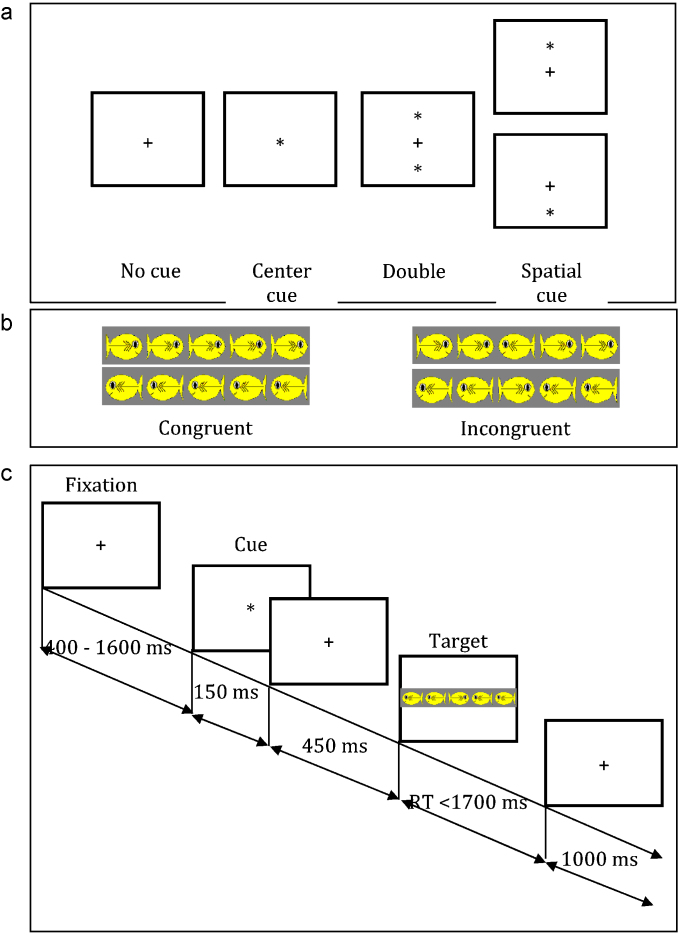
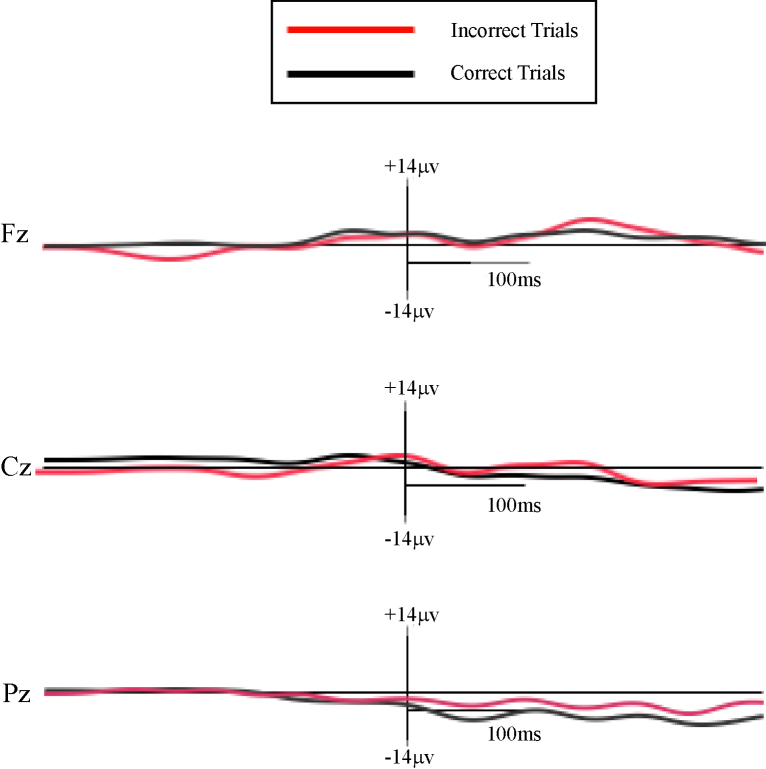
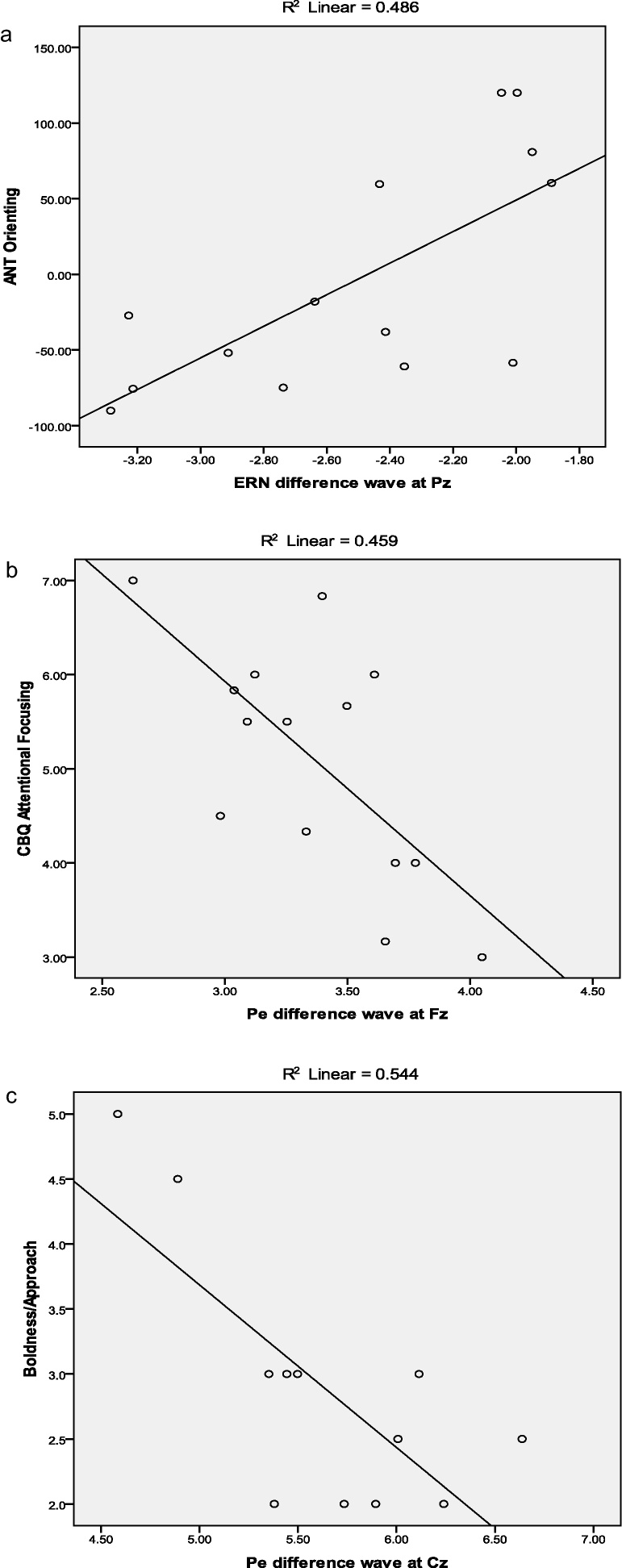
Despite recent evidence that neural correlates of error monitoring such as the error-related negativity (ERN) and error positivity (Pe) are visible in children sooner than previously thought, little is known about these components early in life. Error-monitoring components can be noninvasively recorded from a very early age and have been proposed as biological markers of risk for psychopathology. Therefore, the current study represents an attempt to examine the presence of these components in a sample of very young children and explore their associations with affect and attentional control.Fifteen children between ages 4 and 8 participated in two laboratory episodes: interacting with a stranger and completing a computerized flanker task. Shy and bold behaviors were scored during the stranger interaction and parents reported on temperament-based affective behaviors. Both ERN and Pe were visible in children as young as age 4. A trend-level interaction was observed between age and gender in association with ERN amplitudes. Age and gender were unrelated to the Pe. Greater ERN and Pe were associated with better poorer orienting and greater attentional focusing, respectively. Greater Pe was also linked to less observed boldness. Implications for studies of the development of performance monitoring in children are discussed.
Keywords: Affective behaviors; Development; ERN; Pe.
Figures
References
-
- Adleman N.E., Menon V., Blasey C.M., White C.D., Warsofsky I.S., Glover G.H., Reiss A.L. A developmental fMRI study of the stroop color-word task. NeuroImage. 2002;16:61–75. - PubMed
-
- Aiken L.S., West S.G. Sage; Newbury Park, CA: 1991. Multiple Regression: Testing and Interpreting Interactions.
-
- Anderson S.L. Trajectories of brain development: point of vulnerability or window of opportunity? Neuroscience and Biobehavioral Reviews. 2003;27:3–18. - PubMed
-
- Arbel Y., Donchin E. When a child errs: the ERN and Pe complex in children. Psychophysiology. 2010;48:55–63. - PubMed
-
- Bachevalier J., Mishkin M. An early and late developing system for learning and retention in infant monkeys. Behavioral Neuroscience. 1984;98:770–778. - PubMed
Publication types
MeSH terms
Grants and funding
LinkOut - more resources
Full Text Sources
