Identification of characteristic molecular signature of Müllerian inhibiting substance in human HPV-related cervical cancer cells
- PMID: 21573503
- PMCID: PMC5609187
- DOI: 10.3892/ijo.2011.1042
Identification of characteristic molecular signature of Müllerian inhibiting substance in human HPV-related cervical cancer cells
Abstract
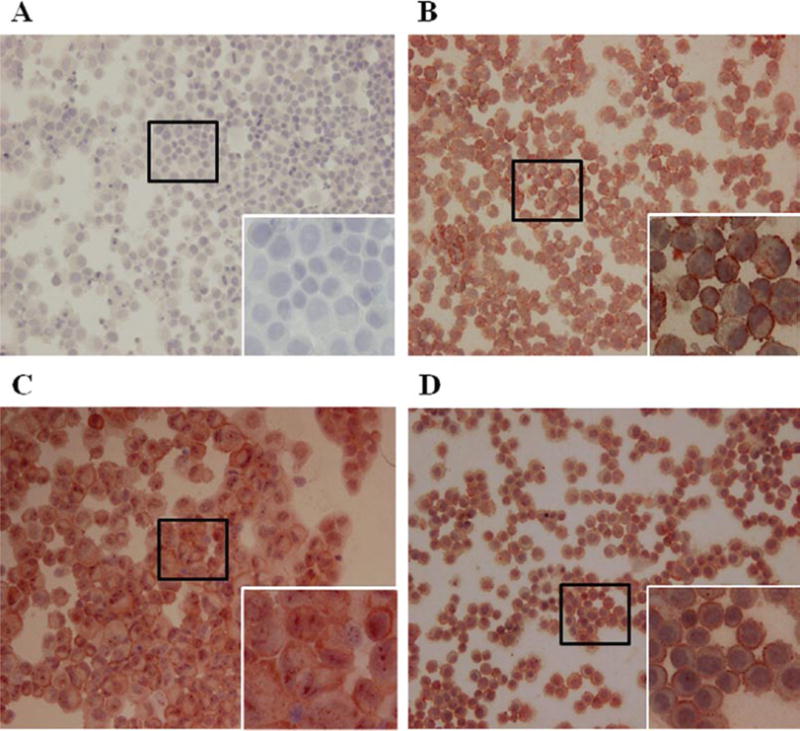
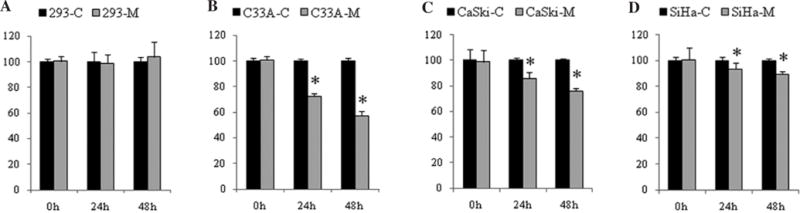
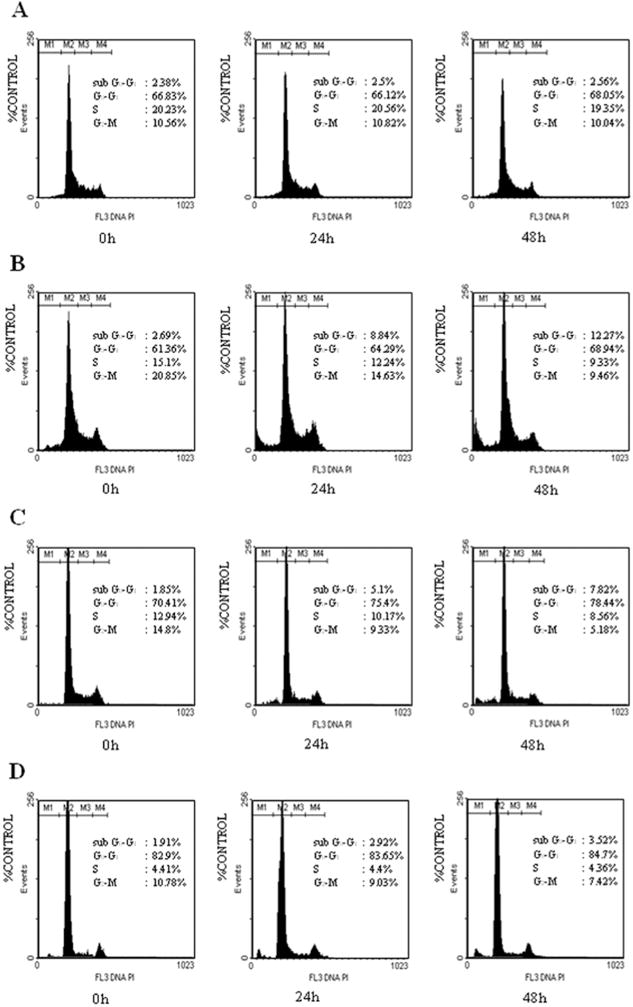
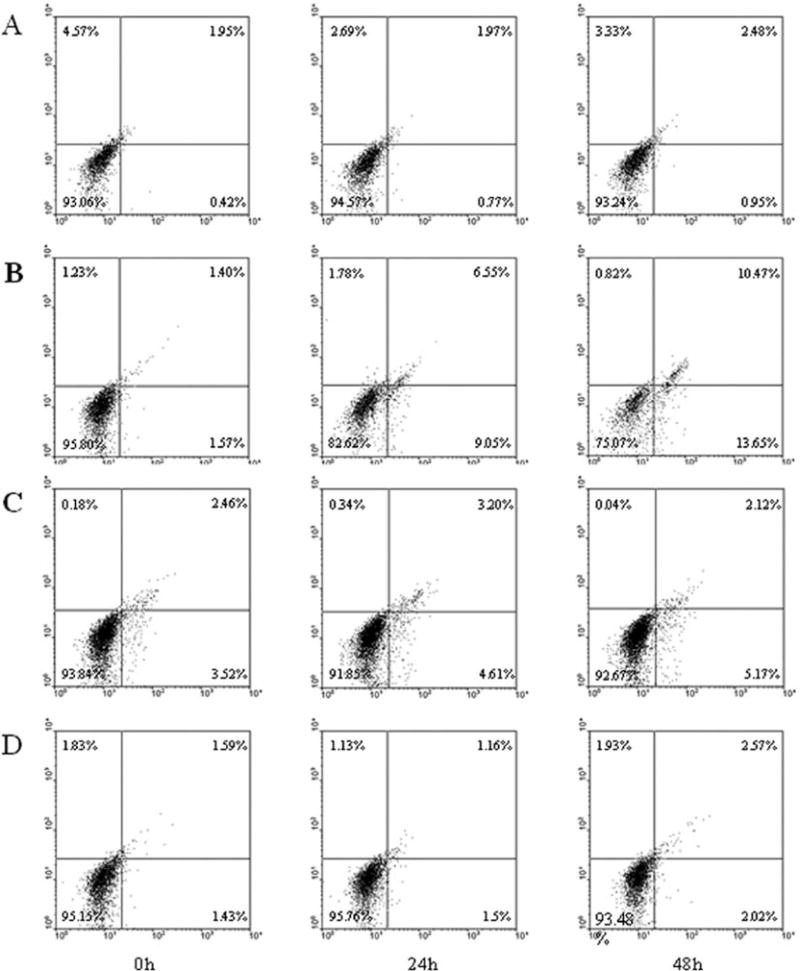
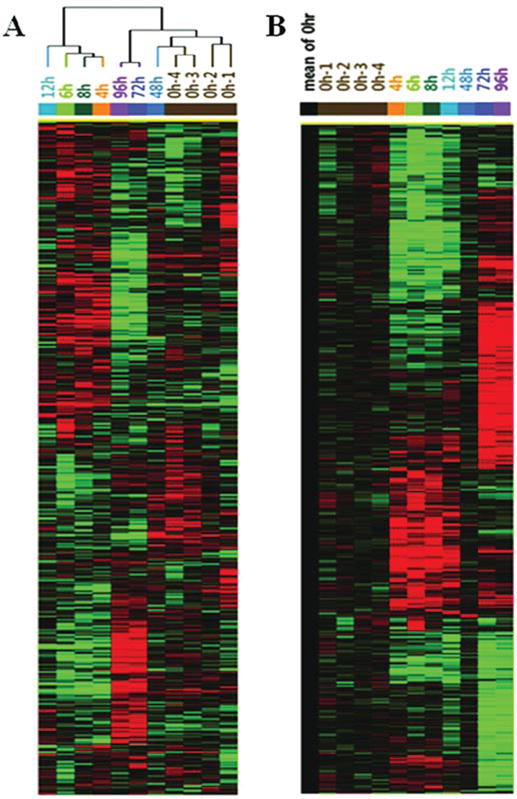
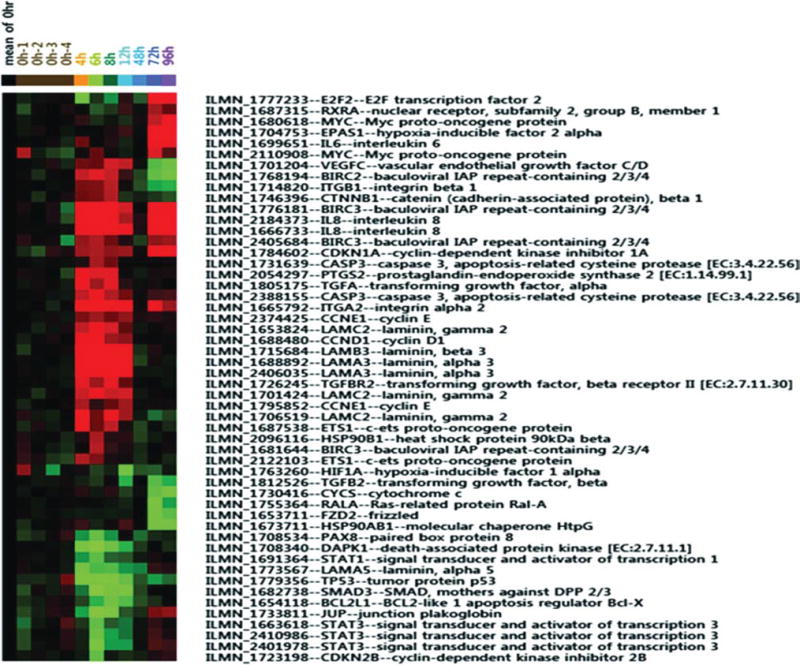
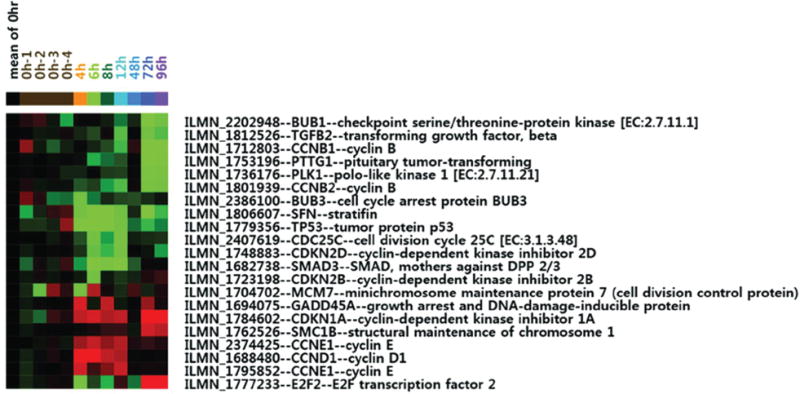
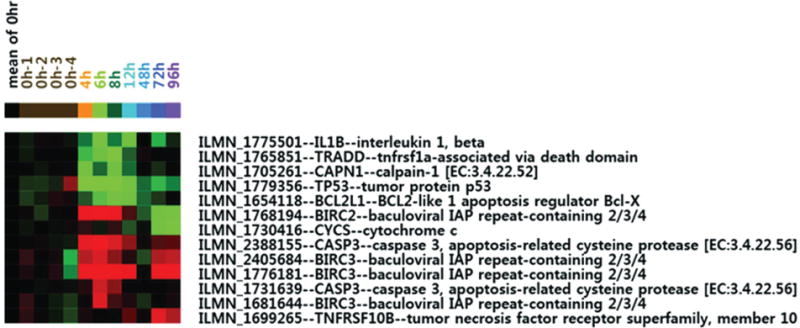
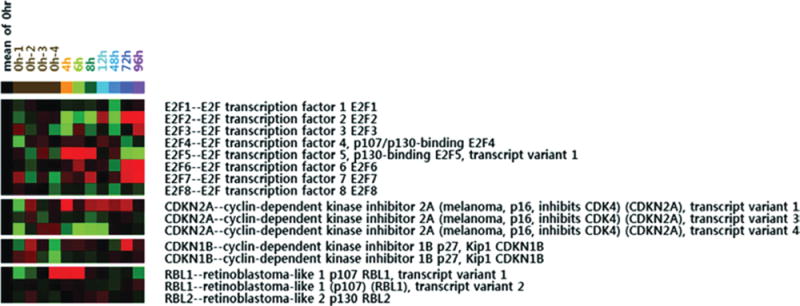
Müllerian inhibiting substance (MIS), also known as anti-Müllerian hormone (AMH), is a member of the transforming growth factor-β (TGF-β) superfamily that plays an important role in the mesenchymal-epithelial interaction, cell growth and proliferation, extracellular matrix production and tissue remodeling. Previously, we demonstrated that MIS suppressed ovarian cancer cell growth and suggested large-scale genetic elements that could be responsible for anti-neoplastic effects of MIS on ovarian cancer cells. In this study, we demonstrated the expression of MIS type II receptor (MISRII) in the human papillomavirus (HPV)-16-related cervical cancer cell lines CaSki and SiHa, and a non-HPV-related cervical cancer cell line, C33A. We also showed that MIS inhibited growth of cervical cancer cells, and induced cellular apoptosis of C33A. In addition, we identified a characteristic molecular signature of MIS in CaSki cells by using whole genome expression analysis. Of the 1,690 genes that showed significant expression changes by MIS, 21 genes were related to cell cycle; 13 genes to apoptosis; and 52 genes to the cancer pathway. On performing a search for cell cycle pathways in the KEGG pathway database, several gene expressions at the G1/S checkpoint were found. In particular, the expression of p16 and p107 increased and that of E2F2 and E2F3 decreased at an early stage, whereas the expression of E2F4 and E2F5 decreased at a later stage after MIS treatment. These data suggest that MIS produces activity against HPV16-related cervical cancers in vitro, and MIS may also be an effective targeted therapy for HPV16-related cervical cancer. Genetic data obtained here could be useful in determining the treatment strategy of MISR-expressing cervical tumors in the future.
Figures
References
-
- MacLaughlin DT, Donahoe PK. Müllerian inhibiting substance: a potential nontoxic, naturally occurring therapeutic agent for certain human cancers. In: Jakowlew S, editor. Transforming Growth Factor-beta in Cancer Therapy. Humana Press; Totowa, NJ: 2008. pp. 333–353.
-
- Lasala C, Carre-Eusebe D, Picard JY, Rey R. Subcellular and molecular mechanisms regulating anti-Müllerian hormone gene expression in mammalian and nonmammalian species. DNA Cell Biol. 2004;23:572–585. - PubMed
-
- Laurich VM, Trbovich AM, O’Neill FH, et al. Müllerian inhibiting substance blocks the protein kinase A-induced expression of cytochrome P450 17alpha-hydroxylase/C17-20 lyase mRNA in a mouse Leydig cell line independent of cAMP responsive element binding protein phosphorylation. Endocrinology. 2002;143:3351–3360. - PubMed
-
- Sriraman V, Niu E, Matias JR, et al. Müllerian inhibiting substance inhibits testosterone synthesis in adult rats. J Androl. 2001;22:750–758. - PubMed
-
- Ha TU, Segev DL, Barbie D, et al. Müllerian inhibiting substance inhibits ovarian cell growth through an pRb-independent mechanism. J Biol Chem. 2000;275:37101–37109. - PubMed