


Immune recruitment and therapeutic synergy: keys to optimizing oncolytic viral therapy?
- PMID: 21576084
- PMCID: PMC3131422
- DOI: 10.1158/1078-0432.CCR-10-2848
Immune recruitment and therapeutic synergy: keys to optimizing oncolytic viral therapy?
Abstract
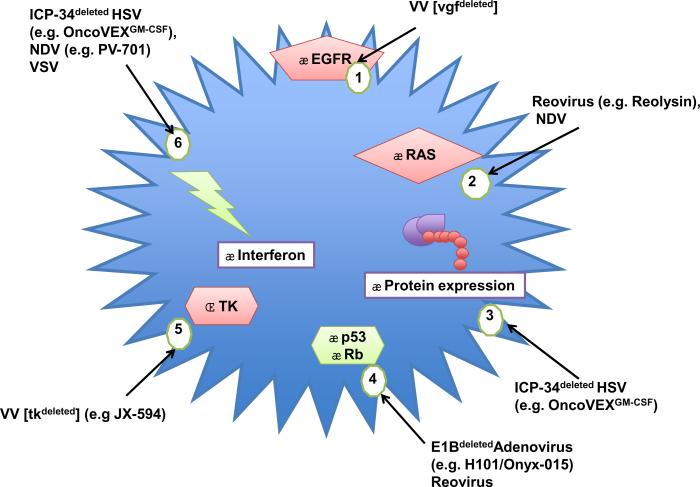
Oncolytic viruses consist of a diverse range of DNA and RNA viruses traditionally thought to mediate their effects by exploiting aberrations in tumor pathways, allowing preferential viral replication in, and killing of, tumor cells. Clinical development has progressed to late-phase trials, potentially heralding their introduction into clinical practice. However, despite this promise, the activity of oncolytic viruses has yet to achieve the potential suggested in preclinical models. To address this disparity, we need to recognize the complex interaction among oncolytic viruses, tumor, chemotherapy, and host immune system, and appreciate that direct oncolysis may not be the only factor to play an important role in oncolytic virus-mediated antitumor efficacy. Although key in inactivating viruses, the host immune system can also act as an ally against tumors, interacting with oncolytic viruses under the right conditions to generate useful and long-lasting antitumor immunity. Preclinical data also suggest that oncolytic viruses show synergy with standard therapies, which may offer improved clinical response rates. Here, we explore clinical and preclinical data on clinically relevant oncolytic viruses, highlighting areas of progress, uncertainty, and translational opportunity, with respect to immune recruitment and therapeutic synergy.
Figures
References
-
- Georgiades J, Zielinski T, Cicholska A, Jordan E. Research on the oncolytic effect of APC viruses in cancer of the cervix uteri; preliminary report. Biul Inst Med Morsk Gdansk. 1959;10:49–57. - PubMed
-
- Bluming AZ, Ziegler JL. Regression of Burkitt's lymphoma in association with measles infection. Lancet. 1971;2:105–6. - PubMed
-
- Pasquinucci G. Possible effect of measles on leukaemia. Lancet. 1971;1:136. - PubMed
-
- Hansen RM, Libnoch JA. Remission of chronic lymphocytic leukemia after smallpox vaccination. Arch Intern Med. 1978;138:1137–8. - PubMed
-
- Asada T. Treatment of human cancer with mumps virus. Cancer. 1974;34:1907–28. - PubMed
Publication types
MeSH terms
Grants and funding
LinkOut - more resources
Full Text Sources
