


Thrombosis, physical activity, and acute coronary syndromes
- PMID: 21596926
- PMCID: PMC3154689
- DOI: 10.1152/japplphysiol.00017.2011
Thrombosis, physical activity, and acute coronary syndromes
Abstract
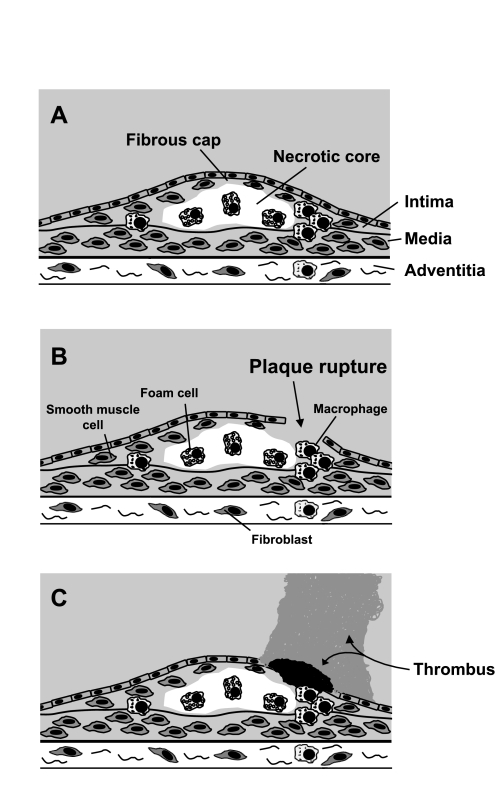
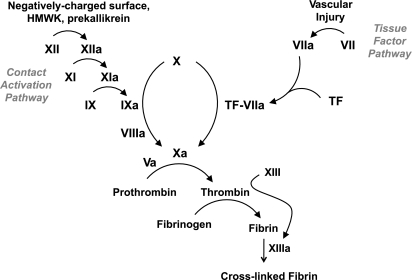
Acute coronary syndromes (ACS) are common, life-threatening cardiac disorders that typically are triggered by rupture or erosion of an atherosclerotic plaque. Platelet deposition and activation of the blood coagulation cascade in response to plaque disruption lead to the formation of a platelet-fibrin thrombus, which can grow rapidly, obstruct coronary blood flow, and cause myocardial ischemia and/or infarction. Several clinical studies have examined the relationship between physical activity and ACS, and numerous preclinical and clinical studies have examined specific effects of sustained physical training and acute physical activity on atherosclerotic plaque rupture, platelet function, and formation and clearance of intravascular fibrin. This article reviews the available literature regarding the role of physical activity in determining the incidence of atherosclerotic plaque rupture and the pace and extent of thrombus formation after plaque rupture.
Figures
References
-
- Albert CM, Mittleman MA, Chae CU, Lee IM, Hennekens CH, Manson JE. Triggering of sudden death from cardiac causes by vigorous exertion. N Engl J Med 343: 1355–1361, 2000 - PubMed
-
- Antoniades C, Bakogiannis C, Tousoulis D, Demosthenous M, Marinou K, Stefanadis C. Platelet activation in atherogenesis associated with low-grade inflammation. Inflamm Allergy Drug Targets 9: 334–345, 2010 - PubMed
-
- Barr SM, Lees KR, McBryan DD, Reid J, Farish E, Rubin PC. Exercise and platelet intracellular free calcium concentration. Clin Sci (Lond) 75: 221–224, 1988 - PubMed
-
- Burke AP, Farb A, Malcom GT, Liang Y, Smialek JE, Virmani R. Plaque rupture and sudden death related to exertion in men with coronary artery disease. JAMA 281: 921–926, 1999 - PubMed
-
- Cadroy Y, Pillard F, Sakariassen KS, Thalamas C, Boneu B, Riviere D. Strenuous but not moderate exercise increases the thrombotic tendency in healthy sedentary male volunteers. J Appl Physiol 93: 829–833, 2002 - PubMed
Publication types
MeSH terms
Grants and funding
LinkOut - more resources
Full Text Sources
Medical
