


Obstructive sleep apnea: a growing problem
Abstract
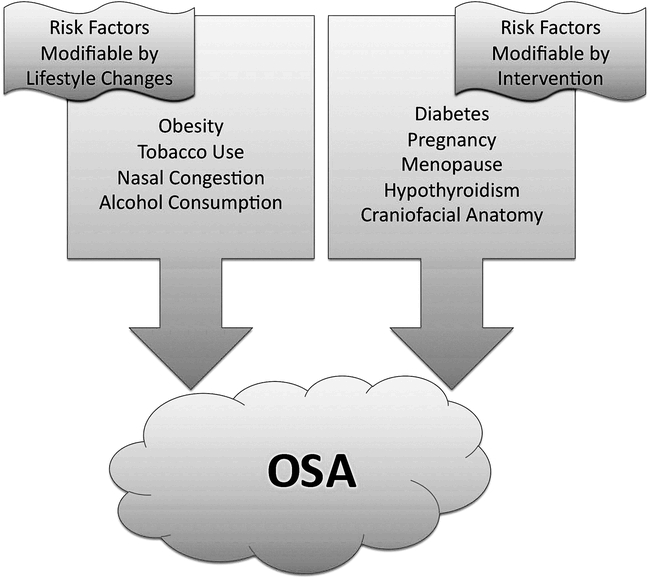
Obstructive sleep apnea is an underrecognized and underdiagnosed medical condition, with a myriad of negative consequences on patients' health and society as a whole. Symptoms include daytime sleepiness, loud snoring, and restless sleep. While the "gold standard" of diagnosis is by polysomnography, a detailed history and focused physical examination may help uncover previously undiagnosed cases. Undetected obstructive sleep apnea can lead to hypertension, heart disease, depression, and even death. Several modalities exist for treating obstructive sleep apnea, including continuous positive airway pressure, oral appliances, and several surgical procedures. However, conservative approaches, such as weight loss and alcohol and tobacco cessation, are also strongly encouraged in the patient with obstructive sleep apnea. With increased awareness, both the medical community and society as a whole can begin to address this disease and help relieve the negative sequelae that result from it.
Keywords: Apnea; continuous positive airway pressure; polysomnography; snoring; uvulopalatopharyngoplasty.
Figures
References
-
- Basner R. C. Continuous positive airway pressure for obstructive sleep apnea. N Engl J Med. 2007;356(17):1751–1758. - PubMed
-
- Kato M., Adachi T., Koshino Y., Somers V. K. Obstructive sleep apnea and cardiovascular disease. Circ J. 2009;73(8):1363–1370. - PubMed
-
- Victor L. D. Obstructive sleep apnea. Am Fam Physician. 1999;60(8):2279–2286. - PubMed
-
- Young T., Peppard P. E., Gottlieb D. J. Epidemiology of obstructive sleep apnea: a population health perspective. Am J Respir Crit Care Med. 2002;165(9):1217–1239. - PubMed
-
- Ancoli-Israel S., Klauber M. R., Stepnowsky C., Estline E., Chinn A., Fell R. Sleep-disordered breathing in African-American elderly. Am J Respir Crit Care Med. 1995;152(6 Pt 1):1946–1949. - PubMed
LinkOut - more resources
Full Text Sources