


Adult seborrheic dermatitis: a status report on practical topical management
- PMID: 21607192
- PMCID: PMC3100109
Adult seborrheic dermatitis: a status report on practical topical management
Abstract
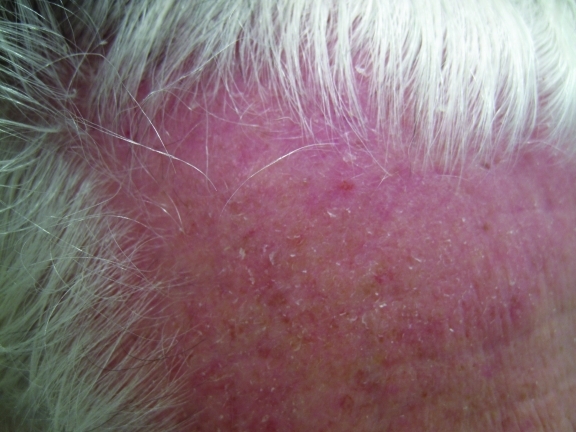
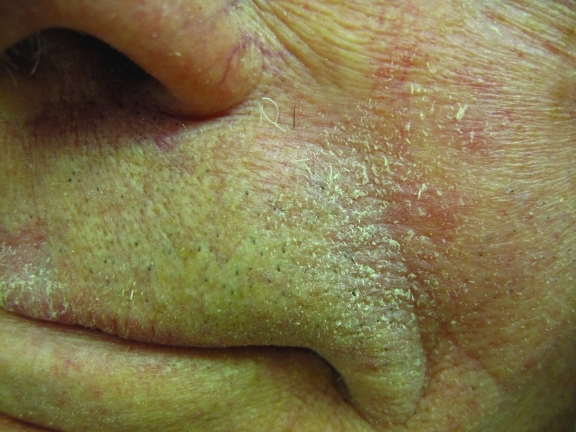
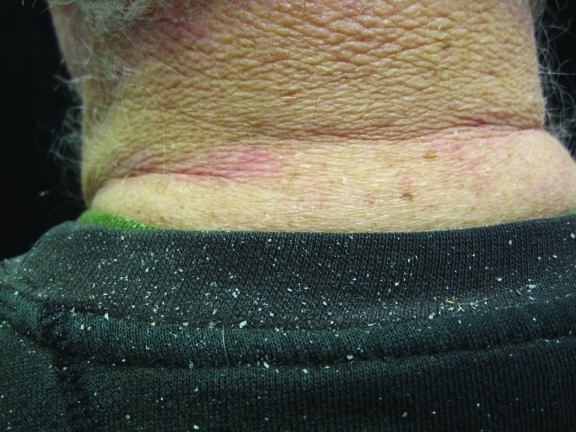
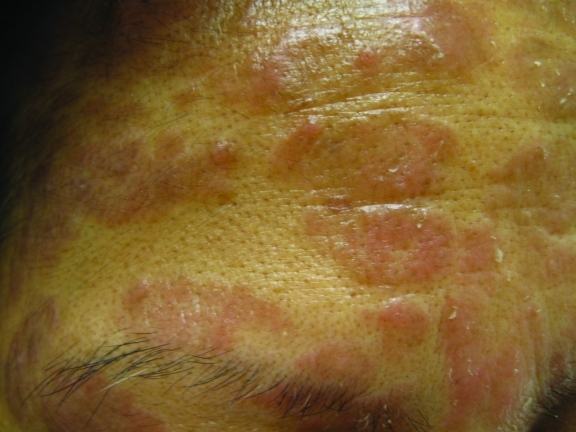
Seborrheic dermatitis is a common chronic-recurrent inflammatory disorder that most commonly affects adults; however, a more transient infantile form also occurs. The definitive cause of seborrheic dermatitis is unknown. However, proliferation of Malassezia species has been described as a contributing factor. The adult form of seborrheic dermatitis affects up to approximately five percent of the general population. The disorder commonly affects the scalp, face, and periauricular region, with the central chest, axillae, and genital region also involved in some cases. Pruritus is not always present and is relatively common, especially with scalp disease. A variety of treatments are available including topical corticosteroids, topical antifungal agents, topical calcineurin inhibitors, and more recently, a nonsteroidal "device "cream. This article reviews the practical topical management of seborrheic dermatitis in the United States, focusing on the adult population.
Figures
References
-
- Erchiga VC, Martos OJ, Cassano AV, et al. Malassezia globosa as the causative organism of pityriasis versicolor. Br J Dermatol. 2000;143:799–803. - PubMed
-
- Fritsch PO, Reider N. Other eczematous dermatoses. In: Bolognia JL, Jorizzo JL, Rapini RP, editors. Dermatology. Vol. 1. New York: Mosby; 2003. pp. 215–218.
-
- Gupta AK, Bluhm R, Cooper EA, et al. Seborrheic dermatitis. Dermatol Clin. 2003;21:401–412. - PubMed
-
- Lynch PJ. Dermatologic problems of the head and neck. Otolaryngol Clin North Am. 1982;15:271–285. - PubMed
-
- Smith KS, Skelton HG, Yeager J, et al. Cutaneous findings in HIV-1 positive patients: a 42-month prospective study. J Am Acad Dermatol. 1994;31:746–754. - PubMed
LinkOut - more resources
Full Text Sources
Other Literature Sources