


Cardiovascular adaptations of pregnancy in T and B cell-deficient mice
- PMID: 21613629
- PMCID: PMC4480439
- DOI: 10.1095/biolreprod.111.092668
Cardiovascular adaptations of pregnancy in T and B cell-deficient mice
Abstract
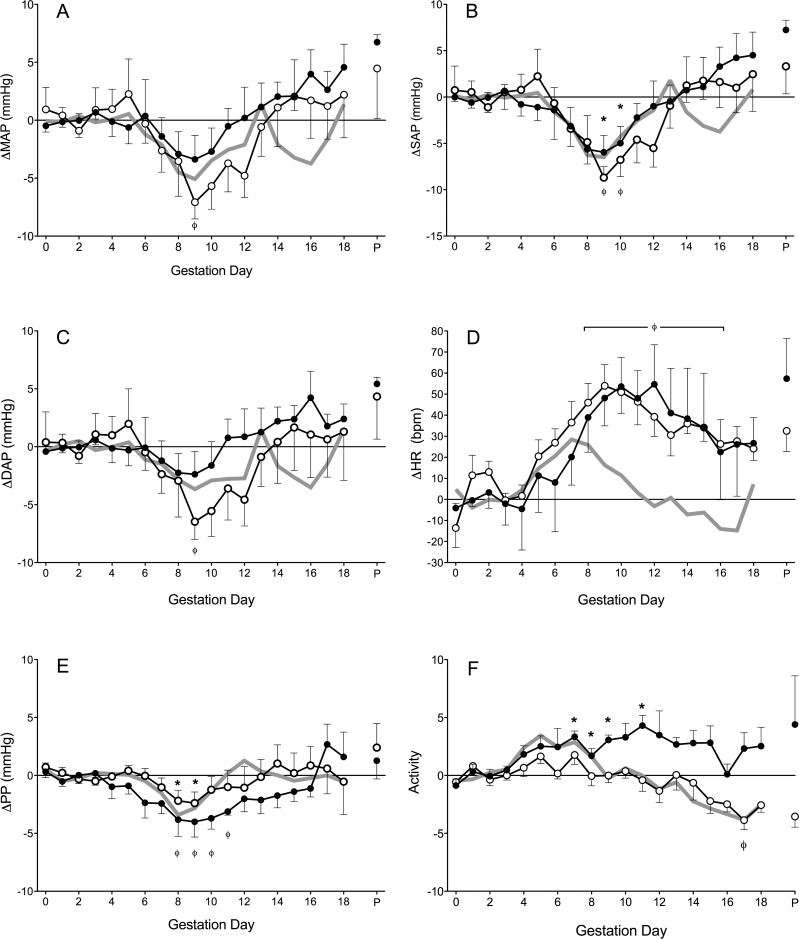
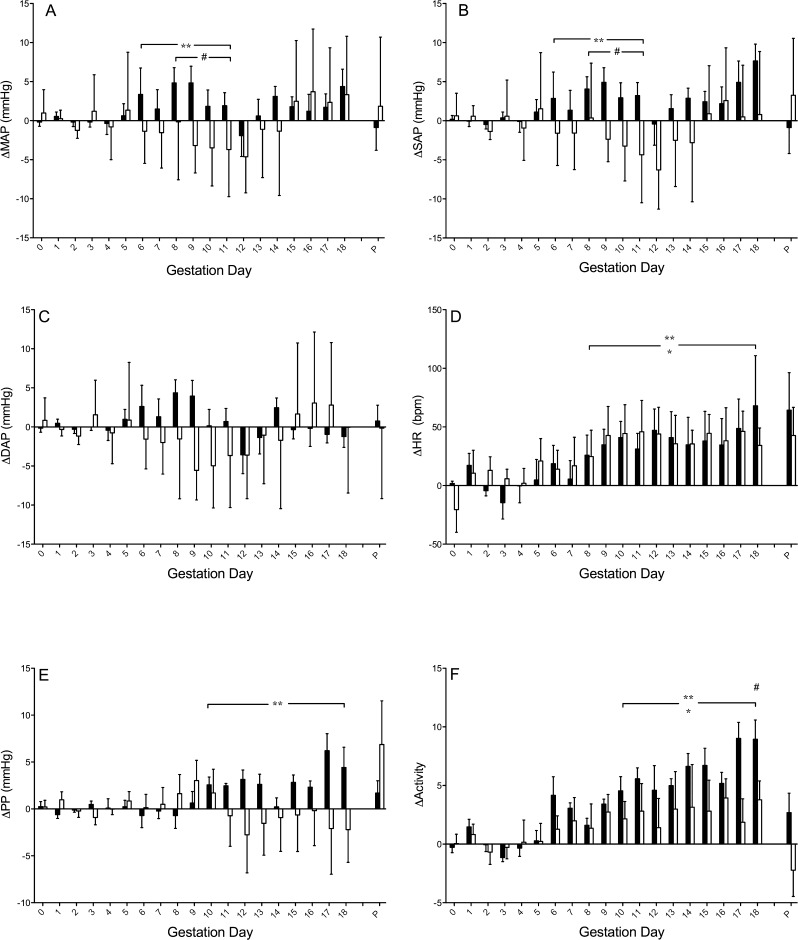
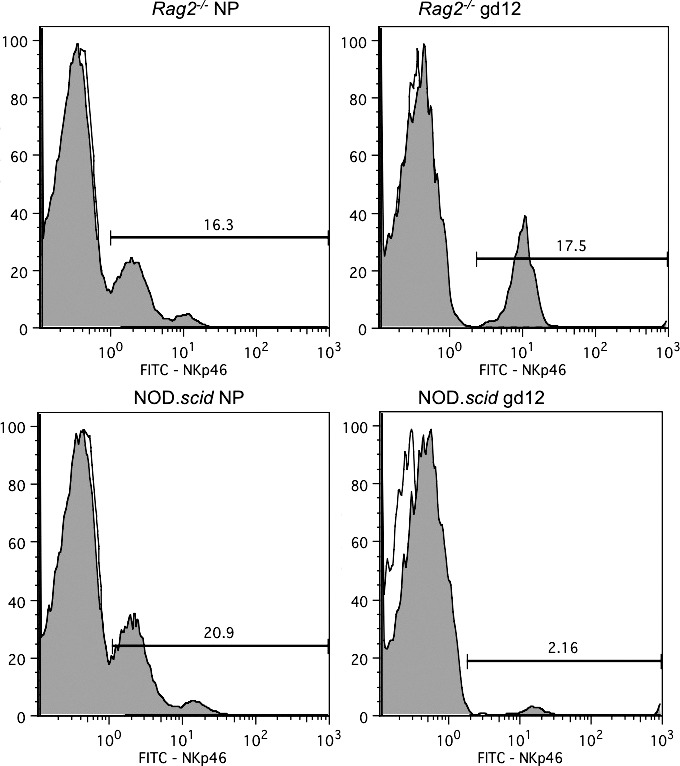
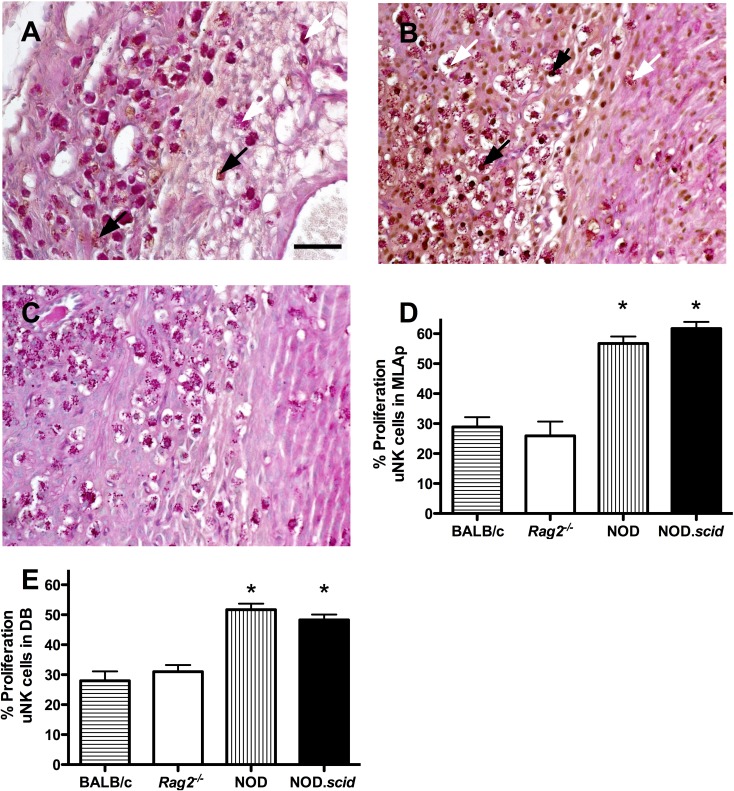
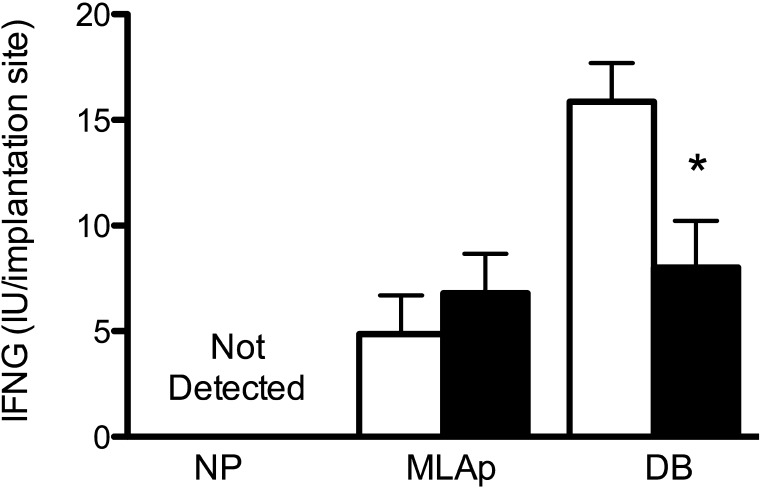
The pathophysiology of gestational hypertensive disorders is incompletely defined. T lymphocytes are implicated. Both T and natural killer (NK) cells express RAS and, in implantation sites, NK cells are highly enriched. We hypothesized that T cells and/or NK cells contribute to circulatory control during pregnancy. Using radiotelemetry of arterial pressure, heart rate, and activity, mice without T and B cells (genotypes BALB/c-Rag2(-/-) and NOD.scid) were examined at baseline and across pregnancy. These strains differ in NK cell competency, with Rag2(-/-) being normal and NOD.scid impaired. Circulatory features differed between these inbred strains. Rag2(-/-); had blood pressure responses to pregnancy that did not differ from congenic normal mice. NOD.scid had higher midgestational blood pressure compared with normoglycemic NOD mice (3-5 mm Hg greater than NOD; P < 0.004). In comparison to controls, both T and B strains had much higher heart rates after first trimester that did not remit until parturition (>30 bpm greater than control; P < 0.0001). NOD.scid had additional anomalies, including 90% depletion of circulating NK cells and elevated (57%) proliferation of uterine NK cells within implantation sites. These data demonstrate immune control of midgestational heart rate and suggest NK cells contribute to midpregnancy regulation of mean arterial pressure.
Figures
References
-
- Smith GN, Walker MC, Liu A, Wen SW, Swansburg M, Ramshaw H, White RR, Roddy M, Hladunewich M. Pre-Eclampsia New Emerging Team (PE-NET). A history of preeclampsia identifies women who have underlying cardiovascular risk factors. Am J Obstet Gynecol 2009; 200:58.e1 58.e8. - PubMed
-
- Blumenstein M, McMaster MT, Black MA, Wu S, Prakash R, Cooney J, McCowan LM, Cooper GJ, North RA. A proteomic approach identifies early pregnancy biomarkers for preeclampsia: novel linkages between a predisposition to preeclampsia and cardiovascular disease. Proteomics 2009; 9: 2929 2945. - PubMed
-
- Myatt L, Webster RP. Vascular biology of preeclampsia. J Thromb Haemost 2009; 7: 375 384. - PubMed
-
- Teklenburg G, Salker M, Molokhia M, Lavery S, Trew G, Aojanepong T, Mardon HJ, Lokugamage AU, Rai R, Landles C, Roelen BA, Quenby S, et al. Natural selection of human embryos: decidualizing endometrial stromal cells serve as sensors of embryo quality upon implantation. PLoS One 2010; 5: - PMC - PubMed
Publication types
MeSH terms
Substances
Grants and funding
LinkOut - more resources
Full Text Sources
Medical
Molecular Biology Databases
