. 2011 Jul;32(7):301-6.
doi: 10.1016/j.it.2011.04.002. Epub 2011 May 27.

Regulatory T cells: stability revisited

Affiliations

Regulatory T cells: stability revisited

Samantha L Bailey-Bucktrout et al. Trends Immunol. 2011 Jul.

Abstract

Breakdown in self-tolerance is caused, in part, by loss of regulatory T (Treg) cells. Recently, a controversy has surfaced about whether Treg cells are overwhelmingly stable, or if they can be reprogrammed in inflammatory and autoimmune environments. Those in the instability camp have shown that a fraction of Treg cells lose forkhead box P3 protein and acquire effector arm activities. Instability is coupled with interleukin-2 insufficiency and the inflammatory milieu that promotes reprogramming. Here, we highlight the basic tenets of each viewpoint and discuss technical, biological and environmental differences in the models that might help yield a unifying hypothesis. Also considered is how Treg cell instability could link to development of autoimmune disease and the implications for trials of Treg cell-based therapy.


Figures

Figure 1
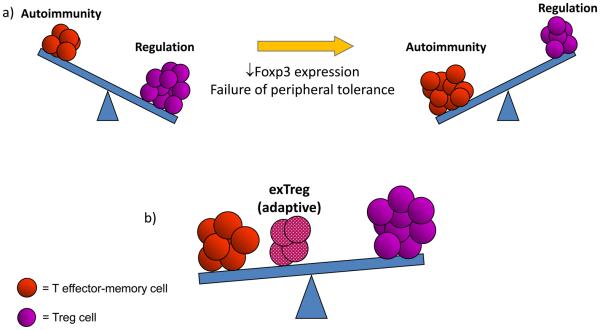
Figure 1. Balancing the immune system in health and disease
This figure illustrates the fine balance between pathologic and regulatory pathways in immune homeostasis. a) The number and function of Treg cells, influenced by the stable expression of Foxp3, control this balance. A loss of Foxp3 expression can shift the balance leading to the development of autoimmunity. b) The production of exTregs from the adaptive Treg cell pool can combine with T effector-memory (TEM) cells and can shift the balance towards autoimmunity by helping lead to the failure of tolerance.

References

    1. Fontenot JD, et al. Foxp3 programs the development and function of CD4+CD25+ regulatory T cells. Nat Immunol. 2003;4:330–336. - PubMed
    1. Rubtsov YP, et al. Stability of the regulatory T cell lineage in vivo. Science. 2010;329:1667–1671. - PMC - PubMed
    1. Zhou X, et al. Instability of the transcription factor Foxp3 leads to the generation of pathogenic memory T cells in vivo. Nat Immunol. 2009;10:1000–1007. - PMC - PubMed
    1. Brunstein CG, et al. Infusion of ex vivo expanded T regulatory cells in adults transplanted with umbilical cord blood: safety profile and detection kinetics. Blood. 2011;117:1061–1070. - PMC - PubMed
    1. Brusko TM, et al. Human regulatory T cells: role in autoimmune disease and therapeutic opportunities. Immunol Rev. 2008;223:371–390. - PubMed

Publication types