Review
. 2011 Aug;94(3):259-95.
doi: 10.1016/j.pneurobio.2011.05.003. Epub 2011 May 18.

Mechanisms of specificity in neuronal activity-regulated gene transcription

Affiliations
Review

Mechanisms of specificity in neuronal activity-regulated gene transcription

Michelle R Lyons et al. Prog Neurobiol. 2011 Aug.

Abstract

The brain is a highly adaptable organ that is capable of converting sensory information into changes in neuronal function. This plasticity allows behavior to be accommodated to the environment, providing an important evolutionary advantage. Neurons convert environmental stimuli into long-lasting changes in their physiology in part through the synaptic activity-regulated transcription of new gene products. Since the neurotransmitter-dependent regulation of Fos transcription was first discovered nearly 25 years ago, a wealth of studies have enriched our understanding of the molecular pathways that mediate activity-regulated changes in gene transcription. These findings show that a broad range of signaling pathways and transcriptional regulators can be engaged by neuronal activity to sculpt complex programs of stimulus-regulated gene transcription. However, the shear scope of the transcriptional pathways engaged by neuronal activity raises the question of how specificity in the nature of the transcriptional response is achieved in order to encode physiologically relevant responses to divergent stimuli. Here we summarize the general paradigms by which neuronal activity regulates transcription while focusing on the molecular mechanisms that confer differential stimulus-, cell-type-, and developmental-specificity upon activity-regulated programs of neuronal gene transcription. In addition, we preview some of the new technologies that will advance our future understanding of the mechanisms and consequences of activity-regulated gene transcription in the brain.


Figures

FIGURE 1
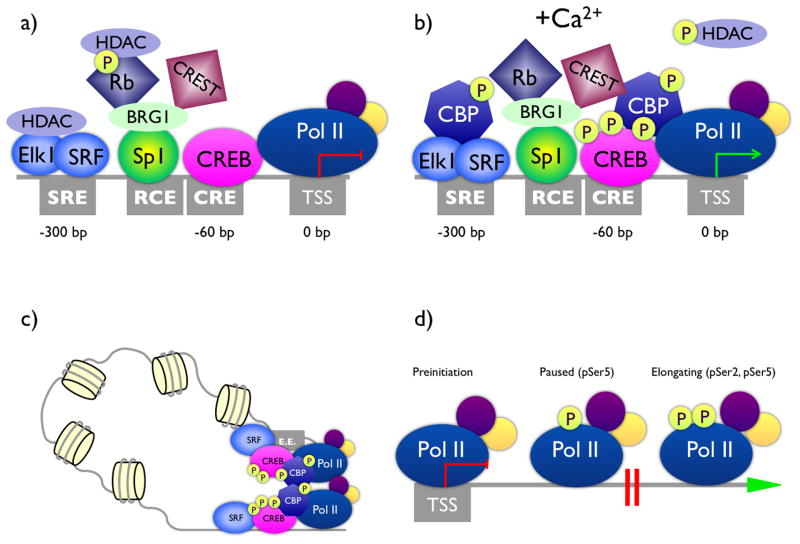
FIGURE 1. Mechanisms of neuronal activity-induced transcription
The diagrams represent four steps in the process of Fos transcription that are regulated by neural activity. a) Prior to neuronal activity, the Fos promoter is primed for response by the association of sequence-specific DNA binding transcription factors with stimulus-response elements (gray boxes) in the proximal promoter. RNA polymerase II (Pol II) is also pre-associated with the Fos promoter prior to activation. Numbers show base pair distances of each element from the transcription start site (TSS). The promoter is kept off in part by the local recruitment of HDACs. Key sites of calcium-regulated phosphorylation are represented by the circled letter P. b) Calcium induces a switch in cofactors present at the Fos promoter, with recruitment of the co-activator and histone acetyltransferase CBP and loss of the repressive HDACs. c) Distal enhancer elements (E.E.) contribute to activity-dependent transcription. These elements are bound by transcription factors including SRF and CREB, and show calcium-dependent recruitment of CBP and Pol II binding. Chromatin looping may bring the enhancer into physical proximity of the proximal promoter and Fos TSS. d) Transcription elongation is regulated by stimulus-dependent phosphorylation of two sites in the C-terminal domain of the large subunit of RNA polymerase II. The pre-initiation form of RNA Pol II is bound to the Fos promoter but is not competent to drive RNA synthesis. Phosphorylation of serine 5 (pSer5) is sufficient to promote engagement but results in polymerase stalling within the transcribed region of many genes. Productive elongation requires additional phosphorylation of RNA Pol II at serine 2 (pSer2).
FIGURE 2
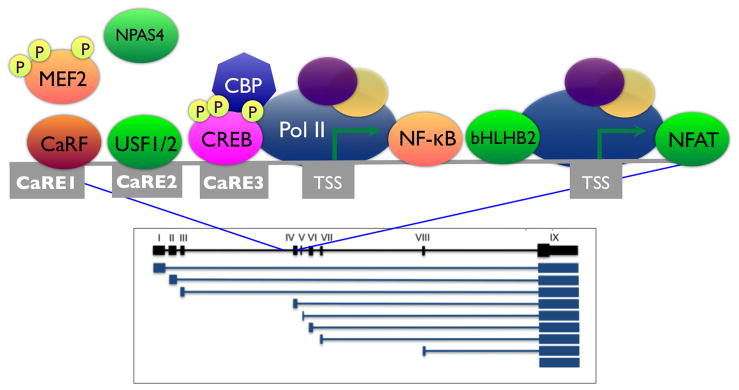
FIGURE 2. Multiple activity-regulated transcription factors contribute to inducibility of Bdnf promoter IV
The box shows spliced mRNAs (blue) encoding Bdnf transcripts driven by the eight alternative Bdnf promoters mapped onto chromosome 2 of Mus musculus (black). Boxes represent the nine exons that comprise the Bdnf gene and the thicker region of exon IX indicates the coding sequence. The gray line shows an expansion of the region just upstream of exon IV. Three calcium-response elements (CaREs) and two transcription start sites (TSSs) are indicated by the gray boxes. Transcription factors demonstrated to regulate Bdnf promoter IV are shown at their binding sites. Npas4 binding has been localized to a PAS response element just 5′ to CaRE1 in human BDNF promoter IV (Pruunsild et al., 2011) and to a region near the CaRE2 element by ChIP-Seq in mouse neurons (Kim et al., 2010). Although MEF2 has been localized to Bdnf promoter IV by chromatin immunoprecipitation, its binding elements have not yet been reported.
FIGURE 3
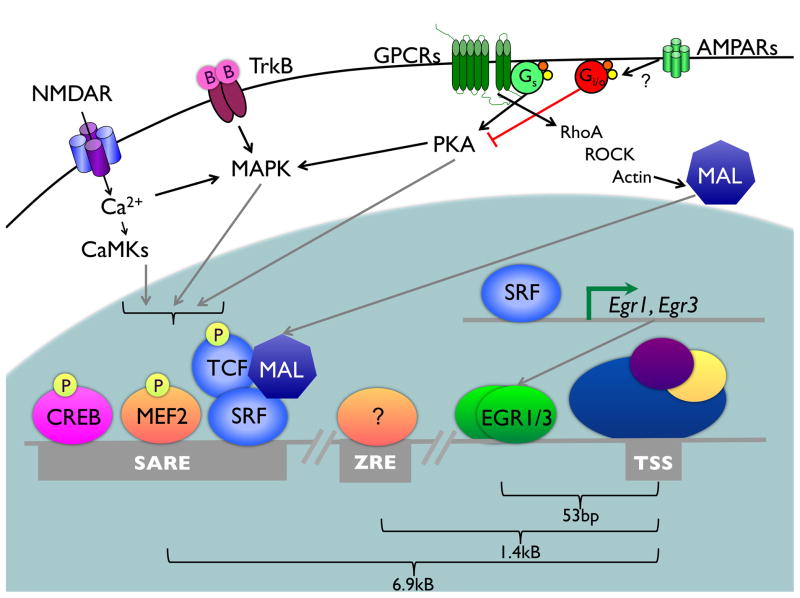
FIGURE 3. Convergent signaling cascades regulate Arc transcription
Signaling cascades that promote (gray arrows) and inhibit (red bars) the transcription of Arc are shown. The light blue region indicates the cell nucleus. B, BDNF; TrkB, the BDNF receptor TrkB; GPCRs, G-protein coupled receptors; Gi/o, heterotrimeric G proteins negatively coupled to adenylate cyclase; Gs, heterotrimeric G proteins positively coupled to adenylate cyclase; ROCK, Rho kinase. Three genetic regulatory regions have been identified in the proximal and distal Arc promoter regions. In addition to the distal SARE element (bound by CREB, SRF, and MEF2) and the proximal promoter (bound by EGR1/3), a region of open chromatin 1.4kB upstream of the TSS has been identified that has homology to a Zeste-like response element (ZRE) and that contributes to activity-dependent regulation of an Arc reporter gene (Pintchovski et al., 2009). The transcription factor(s) that regulate this element in mammalian neurons remain to be identified.
FIGURE 4
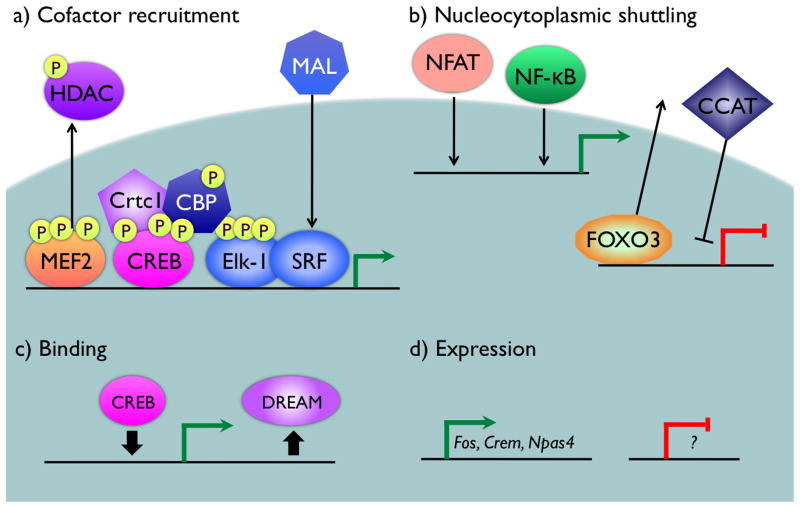
FIGURE 4. Mechanisms of transcription factor regulation by neuronal activity
Transcription factor function can be regulated by neuronal activity through at least four different mechanisms. Green arrows represent genes that show activity-induced transcriptional activation, red bars represent genes that undergo activity-induced transcriptional repression. a) Recruitment of transcriptional coactivators and corepressors is an important mechanism to regulate the function of pre-bound transcription factors such as CREB, MEF2, and SRF. b) Nuclear translocation of the transcription factors NFAT and NF-κB is induced by a wide variety of stimuli including neuronal activity, allowing these factors to bind to their target gene promoters. By contrast, neuronal activity drives the nuclear export of the forkhead box transcription factor FOXO3 and prevents nuclear translocation of CCAT. c) Regulated binding of transcription factors is controlled through different mechanisms. In the case of CREB, signal-dependent regulation of histone modifying enzymes may lead to a change chromatin structure that alters the accessibility of CREB binding sites. For DREAM, direct binding of calcium to the EF-hands in this repressor protein changes its affinity for DNA, releasing it from its binding site. d) In addition to the classic IEGs transcription factors, such as Fos, Jun, and Egr family members, additional transcription factors are subject to activity-dependent regulation of expression. These transcription factors include ICER, a repressor form of the CREB family member CREM, and the bHLH-PAS domain transcription factor NPAS4. Expression of other transcription factors is likely to be repressed by neuronal activity, however these remain to be identified.
FIGURE 5
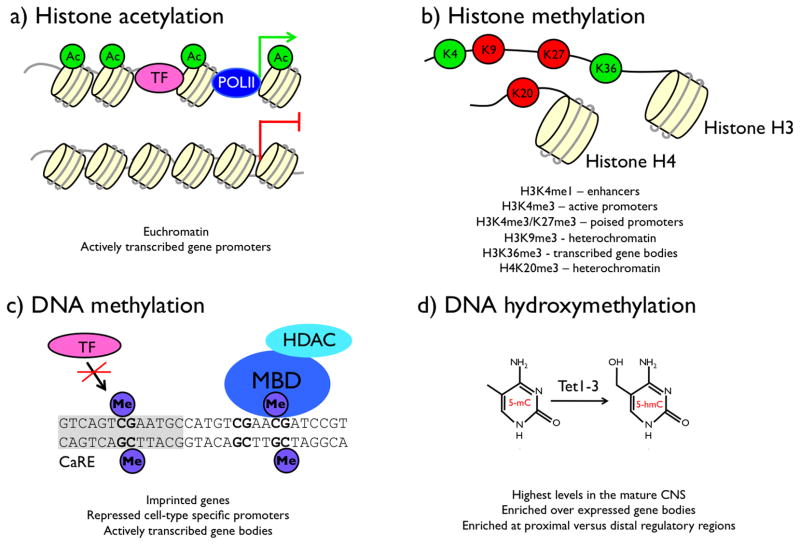
FIGURE 5. Chromatin modifications that regulate transcription
Post-translational modifications of histones and covalent modifications of genomic DNA regulate transcription. a) Acetylation (Ac) can be added to multiple lysine residues in the N-terminal tail domain of histones H3 and H4. This modification is preferentially associated with transcriptionally active genes. b) Methylation (me) of histones H3 and H4 occurs at specific lysine (K) and arginine residues. The functional consequence of each of these modifications depends on the specific amino acid modified (K4, K9, K27, and K36 in histone H3, K20 in histone H4) (Kouzarides, 2002). Sites of methylation associated with transcriptional activation are shown in green, sites associated with transcriptional repression are shown in red. Each lysine can be mono- (me1), di- (me2), or trimethylated (me3), and the global distribution of these methyl marks varies across different kinds of genetic regulatory elements (Hon et al., 2009; Mikkelsen et al., 2007). c) In differentiated mammalian cells, DNA methylation occurs on cytosines at a subset of CpG dinucleotides. Methylation can regulate transcription by sterically blocking the association of a transcription factor (TF) with its binding site (the gray box represents a CaRE), or by recruiting the association of a protein with a methyl-DNA binding domain (MBD), which can act as a scaffold for additional chromatin regulatory enzymes. d) 5-hydroxymethylation of cytosine (5-hmC) is catalyzed by the enzymes Tet1, Tet2, and Tet3, which add a hydroxyl group to methylated cytosine bases (5-mC) (Ito et al., 2010; Ko et al., 2010; Tahiliani et al., 2009). Little is known about the functional relevance of this modification of DNA, but new chemical methods are beginning to allow its genome-wide distribution to be described (Song et al., 2011).
FIGURE 6
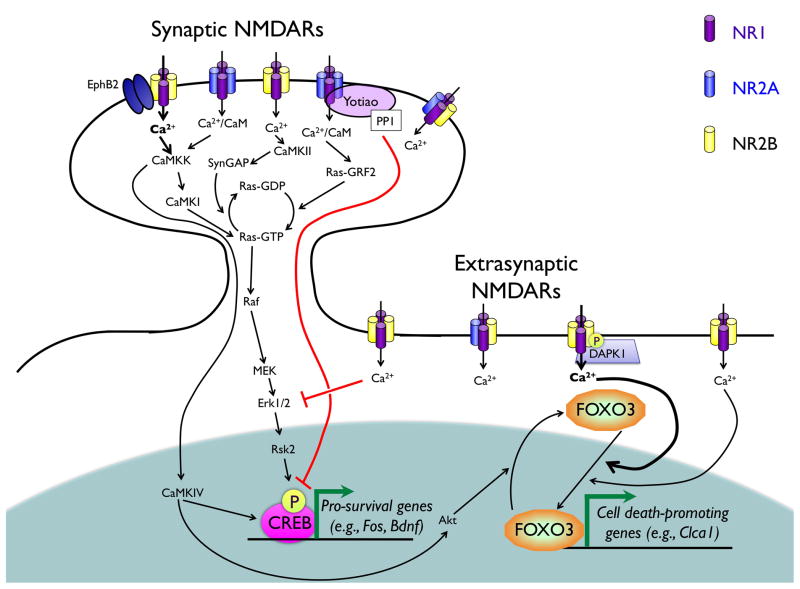
FIGURE 6. Different pools of NMDARs are capable of effecting distinct changes in gene transcription
Synaptic NMDARs are capable of signaling through the CaMKs and the Ras/Raf/MEK/Erk/Rsk2 pathway to phosphorylate CREB and initiate transcription of a variety of pro-survival genes. Additionally, synaptic NMDAR activation of CaMKK and CaMKIV leads to the activation of Akt and subsequently the phosphorylation and nuclear export of the transcription factor FOXO3, thereby inhibiting transcription of various cell death-inducing genes. In contrast, activation of extrasynaptic NMDARs opposes the effects of synaptic NMDAR activation. Activation of extrasynaptic NMDARs inhibits the activation of Erk1/2, thereby reducing CREB phosphorylation. Additionally, extrasynaptic NMDARs induce the nuclear import of FOXO3 and the subsequent transcription of pro-death genes; this is potentiated by DAPK1. Subunit composition can also lend specificity to synapse-to-nucleus signaling by NMDARs. NR2A-containing NMDARs are capable of interacting with and selectively activating Ras-GRF2; activation of NR2B-containing NMDARs leads to the activation of CaMKII and the subsequent phosphorylation of SynGAP. While NR2B-containing NMDARs have also been shown to interact with Ras-GRF1 (not shown), how that signal is integrated with SynGAP activation remains to be determined. The EphB2 receptor has been shown to interact with the NR1 subunit and potentiate NMDAR-mediated calcium influx and downstream signaling cascades by phosphorylating the NR2B subunit. Lastly, the scaffolding protein Yotiao can bind to NR1 splice variants containing the C1 cassette and tether PKA and PP1 to the channel complex. While it is not known if this tethering is important for PKA-mediated NMDAR signaling (not shown), this interaction could mediate PP1-dependent signaling to the nucleus and dephosphorylation of CREB.
FIGURE 7
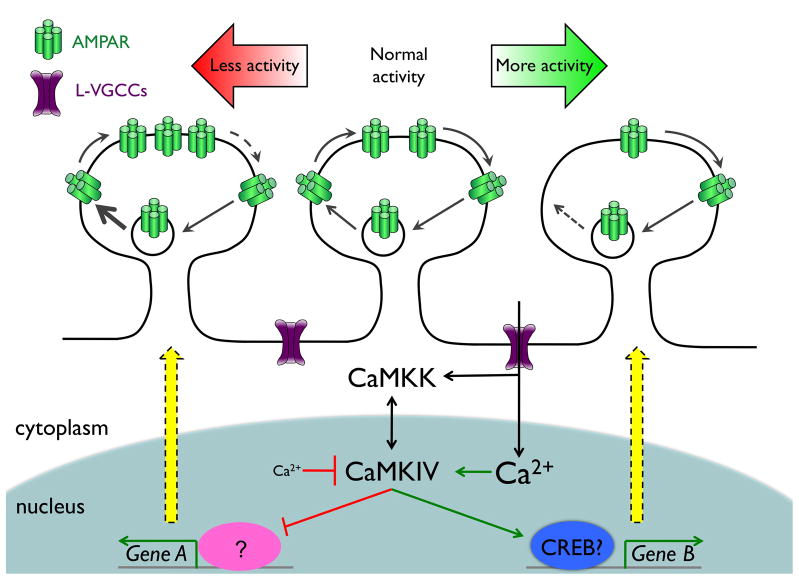
FIGURE 7. Transcriptional regulation of homeostatic synaptic scaling
Changes in synaptic activity drive homeostatic compensatory changes in the number of surface AMPARs at synapses. Downregulation of synaptic AMPARs in response to increased activity requires the influx of calcium (Ca2+) through L-VGCCs and activation of a CaMKIV-dependent transcriptional pathway (green arrow). Upregulation of synaptic AMPARs in response to decreased synaptic activity is driven by reduced calcium influx through L-VGCCs, and a decrease in activity of the CaMKK/CaMKIV pathway (red bar). Because transcriptional activity is required for scaling induced by either increases or decreases in synaptic activity, these data that suggest that distinct classes of calcium-regulated transcription factors (one group activated by CaMKIV and one repressed) and distinct sets of target genes (Gene A and Gene B) mediate the two sides of the pathway.
FIGURE 8
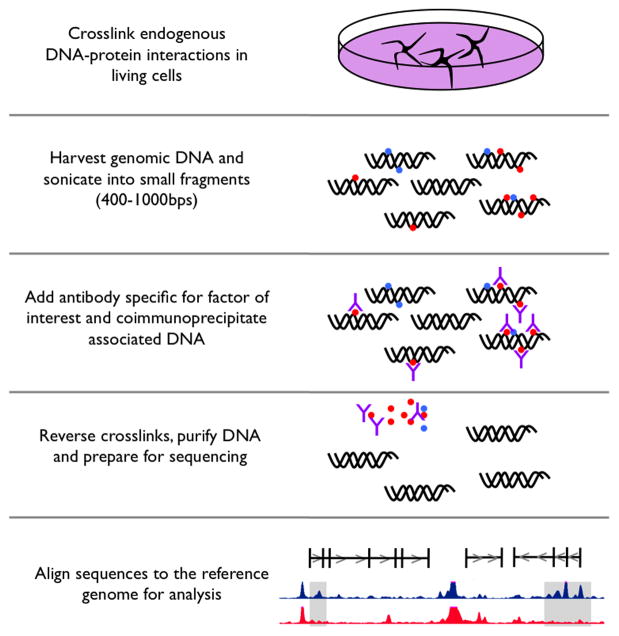
FIGURE 8. ChIP-Seq defines transcription factor binding sites genome-wide
The steps in a ChIP-Seq protocol are diagrammed. Blue and red circles represent two different DNA binding proteins. An antibody specific for one of the transcription factors selectively co-immunoprecipitates the subset of DNA fragments to which that factor is crosslinked. For the final step, the black line diagrams represent genes visualized across a region of a chromosome. Vertical lines represent exons and arrows show the direction of transcription. The blue and red diagrams represent the distribution of sequences obtained after co-immunoprecipitation with either the red or blue transcription factors. In this example, the red protein is preferentially bound immediately upstream of the TSS for each of the three genes shown, whereas the blue protein shows additional binding sites outside of proximal promoters (gray boxes).
FIGURE 9
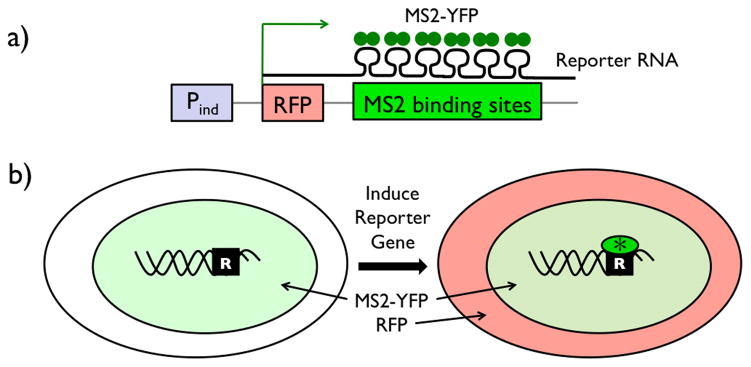
FIGURE 9. Imaging RNA synthesis with the RNA binding protein MS2
a) A representative reporter gene for MS2-based visualization of new RNA synthesis. Pind, stimulus-inducible promoter; RFP, red fluorescent protein. The black line represents the RNA transcribed from the reporter locus. A dimer of the phage protein MS2 fused to the fluorescent protein YFP binds each stem loop made by one of the series of MS2 binding sites encoded at the reporter locus. b) Representation of MS2-based transcriptional imaging. When reporter gene expression is induced, MS2-YFP binds to the cluster of stem-loop sequences in the new RNA synthesized at the site of reporter gene integration (R). Relocalization of MS2-YFP in the nucleus to this binding site is detected as a bright spot of nuclear fluorescence (asterisk).

References

    1. Adams JP, Dudek SM. Late-phase long-term potentiation: getting to the nucleus. Nat Rev Neurosci. 2005;6:737–743. - PubMed
    1. Aid T, Kazantseva A, Piirsoo M, Palm K, Timmusk T. Mouse and rat BDNF gene structure and expression revisited. J Neurosci Res. 2007;85:525–535. - PMC - PubMed
    1. Al-Hallaq RA, Conrads TP, Veenstra TD, Wenthold RJ. NMDA di-heteromeric receptor populations and associated proteins in rat hippocampus. J Neurosci. 2007;27:8334–8343. - PMC - PubMed
    1. Al-Hallaq RA, Jarabek BR, Fu Z, Vicini S, Wolfe BB, Yasuda RP. Association of NR3A with the N-methyl-D-aspartate receptor NR1 and NR2 subunits. Mol Pharmacol. 2002;62:1119–1127. - PubMed
    1. Al-Mubarak B, Soriano FX, Hardingham GE. Synaptic NMDAR activity suppresses FOXO1 expression via a cis-acting FOXO binding site: FOXO1 is a FOXO target gene. Channels (Austin) 2009;3:233–238. - PMC - PubMed

Publication types

MeSH terms

LinkOut - more resources