. 2011 May 29;29(6):542-6.
doi: 10.1038/nbt.1857.

Global gene disruption in human cells to assign genes to phenotypes by deep sequencing

Affiliations

Global gene disruption in human cells to assign genes to phenotypes by deep sequencing

Jan E Carette et al. Nat Biotechnol. .

Abstract

Insertional mutagenesis in a haploid background can disrupt gene function. We extend our earlier work by using a retroviral gene-trap vector to generate insertions in >98% of the genes expressed in a human cancer cell line that is haploid for all but one of its chromosomes. We apply phenotypic interrogation via tag sequencing (PhITSeq) to examine millions of mutant alleles through selection and parallel sequencing. Analysis of pools of cells, rather than individual clones enables rapid assessment of the spectrum of genes involved in the phenotypes under study. This facilitates comparative screens as illustrated here for the family of cytolethal distending toxins (CDTs). CDTs are virulence factors secreted by a variety of pathogenic Gram-negative bacteria responsible for tissue damage at distinct anatomical sites. We identify 743 mutations distributed over 12 human genes important for intoxication by four different CDTs. Although related CDTs may share host factors, they also exploit unique host factors to yield a profile characteristic for each CDT.


Conflict of interest statement

Competing financial interests

J. C. and T.R.B. are named inventors on a patent application on technology described in this manuscript. S.M.N. and T.R.B. are co-founders of an early-stage startup company involved in haploid genetic approaches.

Figures
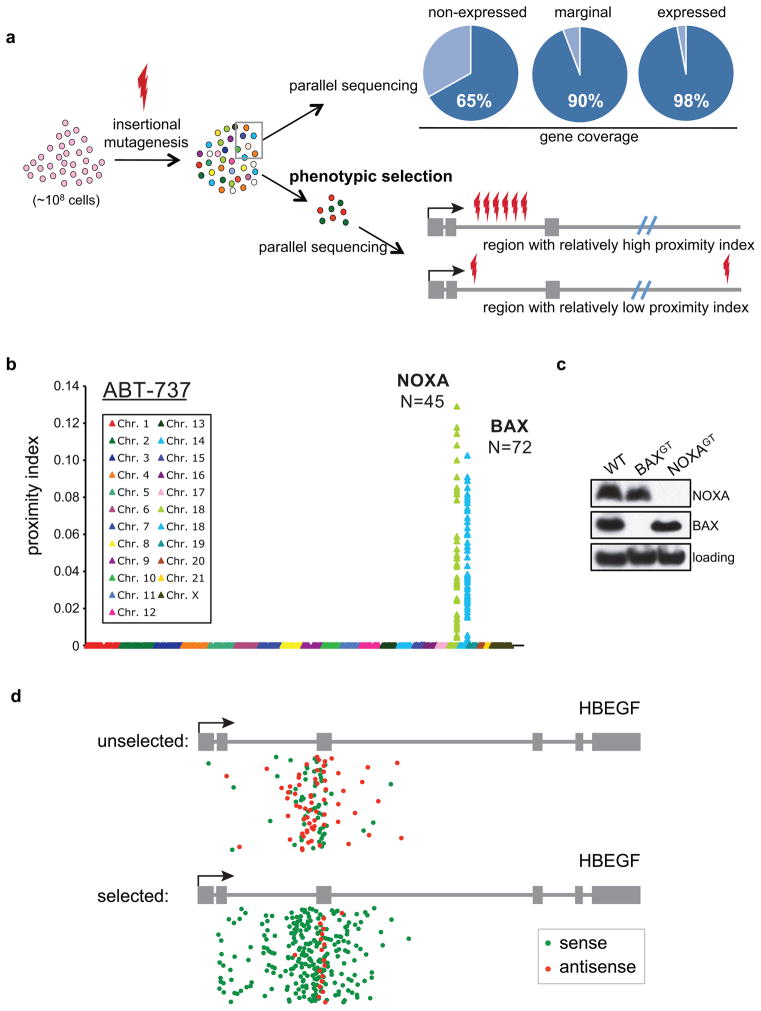
Figure 1
Figure 1. Phenotypic interrogation via tag sequencing (PhITSeq)
A. Approximately 100 million near-haploid KBM7 cells were infected with gene trap vectors and expanded without selection. Short DNA sequences flanking the inserted gene trap vectors were amplified and sequenced in parallel and aligned to the human genome. Insertion sites were identified in genes that were expressed and non-expressed in KBM7 cells. The population of 100 million cells was used to select several thousand clones for particular phenotypes. Selected clones were expanded and used for parallel sequencing for insertion sites. For each insertion site a proximity index was calculated. The proximity index corresponds to the calculated inverse of the average distance between a specific insertion and its immediate upstream and downstream insertions. B. Mutagenized cells were selected with ABT-737 and insertion sites were mapped in the selected populations. N indicates the number of insertions found in each gene. C. Immunoblot analysis of BAX and NOXA protein expression in clonally derived cell lines that contain gene trap insertions in corresponding genes. D. Insertions in the HBEGF locus in the unselected mutagenized pool and in a cell population that is selected using diphtheria toxin. Gene trap insertions in the same transcriptional orientation as the gene (sense) are depicted in green and in the antisense orientation are drawn in red. Note that selection against HBEGF function causes an enrichment for sense orientation insertions in introns but not in exons.
Figure 2
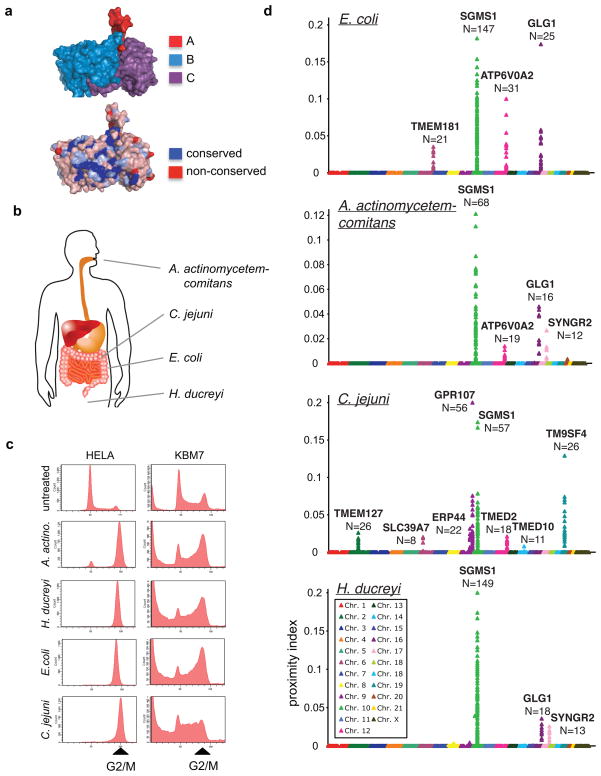
Figure 2. Host factors used by different CDTs
A. CDTs are tripartite protein toxins that show the highest sequence conservation in the catalytic CdtB-subunit and lower conservation in the cell binding CdtA and CdtC subunits. Sequence conservation of the four CDTs used in this study is depicted using the H. ducreyi CTD crystal structure. B. CDTs are secreted by pathogenic bacteria that infect and colonize the human body at different anatomical locations. C. CDTs from different bacterial species induce a G2/M cell cycle arrest in both HeLa cells and KBM7 cells. D. PhITSeq screens performed with CDTs secreted by different bacteria. The Y-axis represents the proximity index calculated for each insertion. The X-axis represents the chromosomes in which each insertion is located. N indicates the number of insertions found in each gene.
Figure 3
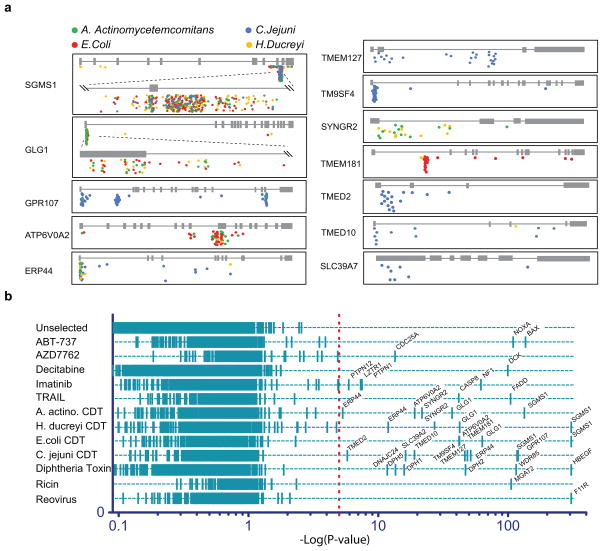
Figure 3. Genes linked to different phenotypes
A. Gene trap insertions identified in loci essential for CDT intoxication. A color code distinguishes gene trap insertions that were enriched using distinct CDTs: A. actinomycetemcomitans in green, E. coli in red, H. ducreyi in yellow and C. jejuni in blue. B. Loci linked to 12 separate phenotypes. Cells were exposed to small molecule inhibitors of the Bcl2-family (ABT-737), chk1-kinase activity (AZD7762), Bcr-Abl-activity (imatinib), or DNA methylation (decitabine). Additional phenotypic selections were done using biological agents including TRAIL, CDTs, diphtheria toxin, ricin toxin and reovirus. Gene trap insertions in exonic sequences or in the sense orientation of genes were counted per individual selection. Enrichment p-value was calculated for each gene locus by comparing this number to the number of insertions identified in the same locus within the unselected cell population. Each screen resulted in a distinct set of between 1 and 8 genes with high significance. These include already known entry factors used by pathogens such as the entry receptor for diphtheria toxin (HBEGF), the reovirus receptor (F11R) and an enzyme involved in carbohydrate synthesis required for ricin entry (MGAT2). It also includes downstream effectors of kinases for example CDC25A in a screen with a Chk1 inhibitor or PTPN1 and PTPN12 identified by BCR-ABL inhibition using imatinib. Strong resistance against decitabine was observed in cells containing mutations in deoxycytidine kinase (DCK), the rate-limiting kinase for activation of several nucleoside analogs.

References

    1. Carette JE, et al. Haploid genetic screens in human cells identify host factors used by pathogens. Science. 2009;326:1231–1235. - PubMed
    1. Ge Z, Schauer DB, Fox JG. In vivo virulence properties of bacterial cytolethal-distending toxin. Cell Microbiol. 2008;10:1599–1607. - PubMed
    1. Mazurkiewicz P, Tang CM, Boone C, Holden DW. Signature-tagged mutagenesis: barcoding mutants for genome-wide screens. Nature Reviews Genetics. 2006;7:929–939. - PubMed
    1. Gawronski JD, Wong SMS, Giannoukos G, Ward DV, Akerley BJ. Tracking insertion mutants within libraries by deep sequencing and a genome-wide screen for Haemophilus genes required in the lung. Proceedings of the National Academy of Sciences of the United States of America. 2009;106:16422–16427. - PMC - PubMed
    1. van Opijnen T, Bodi KL, Camilli A. Tn-seq: high-throughput parallel sequencing for fitness and genetic interaction studies in microorganisms. Nature Methods. 2009;6:767–721. - PMC - PubMed

Publication types

MeSH terms