Takotsubo cardiomyopathy--a clinical review
- PMID: 21629203
- PMCID: PMC3539553
- DOI: 10.12659/msm.881800
Takotsubo cardiomyopathy--a clinical review
Abstract
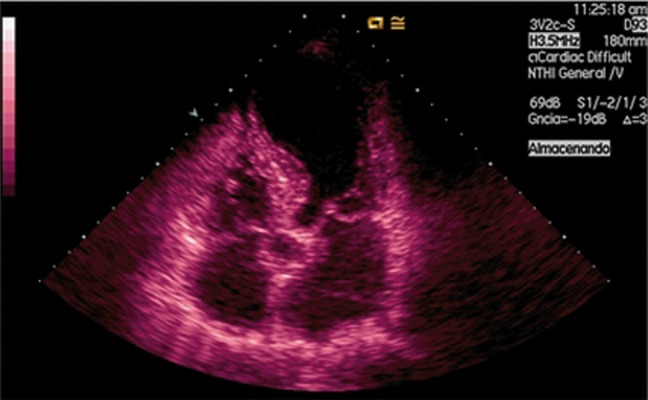
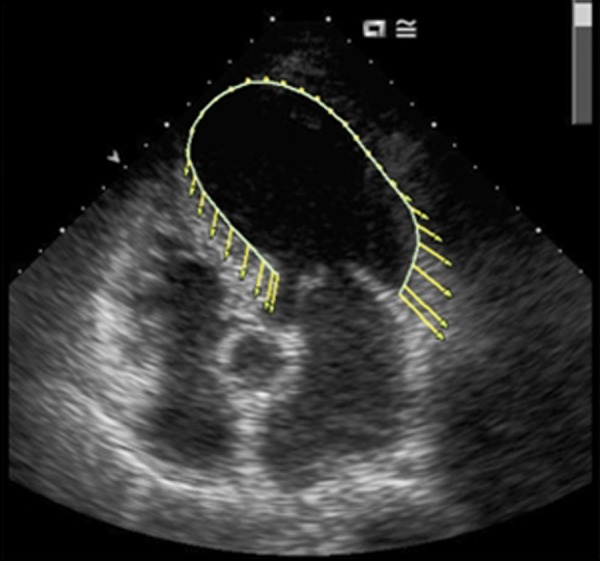
Stress cardiomyopathy is characterised by reversible left ventricular dysfunction. It simulates an acute coronary syndrome (ACS), presenting with precordial pain or dyspnoea, changes of the ST segment, T wave, or QTc interval on electrocardiogram, and raised cardiac enzymes. Typical findings are disturbances of segmental contractility (apical hypokinesia or akinesia), with normal epicardial coronary arteries. The true prevalence is unknown, as the syndrome may be under-diagnosed; it is more common in postmenopausal women. There is usually a trigger in the form of physical or psychological stress. The electrocardiographic, echocardiographic, and ventriculographic changes resolve spontaneously over a variable period of time (from days to months). There are a number of pathophysiological theories, none of which has been shown to be definitive, suggesting that all of them may be involved to some extent. The prognosis is generally favourable, and recurrence is very rare.
Figures

References
-
- Maron BJ, Towbin JA, Thiene G, et al. Contemporary Definitions And Classification Of The Cardiomyopathies: An American Heart Association Scientific Statement From The Council On Clinical Cardiology, Heart Failure And Transplantation Committee; Quality Of Care And Outcomes Research And Functional Genomics And Translational Biology Interdisciplinary Working Groups; And Council On Epidemiology And Prevention. Circulation. 2006;113:1807–16. - PubMed
-
- Bybee KA, Prasad A. Stress-Related Cardiomyopathy Syndromes. Circulation. 2008;118:397–409. - PubMed
-
- Abe Y, Kondo M, Matsuoka R, et al. Assessment of Clinical Features in Transient Left Ventricular Apical Ballooning. J Am Coll Cardiol. 2003;41:737–42. - PubMed
-
- Bybee KA, Kara T, Prasad A, et al. Systematic Review: Transient Left Ventricular Apical Ballooning: A Syndrome That Mimics ST-Segment Elevation Myocardial Infarction. Ann Intern Med. 2004;141:858–65. - PubMed
Publication types
MeSH terms
Substances
LinkOut - more resources
Full Text Sources
Medical