Review
. 2011 Oct;22(10):394-403.
doi: 10.1016/j.tem.2011.05.001. Epub 2011 Jun 15.

New insights into insulin resistance in the diabetic heart

Affiliations
Review

New insights into insulin resistance in the diabetic heart

Susan Gray et al. Trends Endocrinol Metab. 2011 Oct.

Abstract

Insulin resistance is a major characteristic of obesity and type 2 diabetes, and develops in multiple organs, including the heart. Compared with its role in other organs, the physiological role of insulin resistance in the heart is not well understood. The heart uses lipid as a primary fuel, but glucose becomes an important source of energy in ischemia. The impaired ability to utilize glucose might contribute to cell death and abnormal function in the diabetic heart. Recent discoveries regarding the role of inflammation, mitochondrial dysfunction and endoplasmic reticulum (ER) stress in obesity have advanced our understanding of how insulin resistance develops in peripheral organs. In this review, we examine these findings in relation to the diabetic heart to provide new insights into the mechanism of cardiac insulin resistance.


Figures

Fig. 1
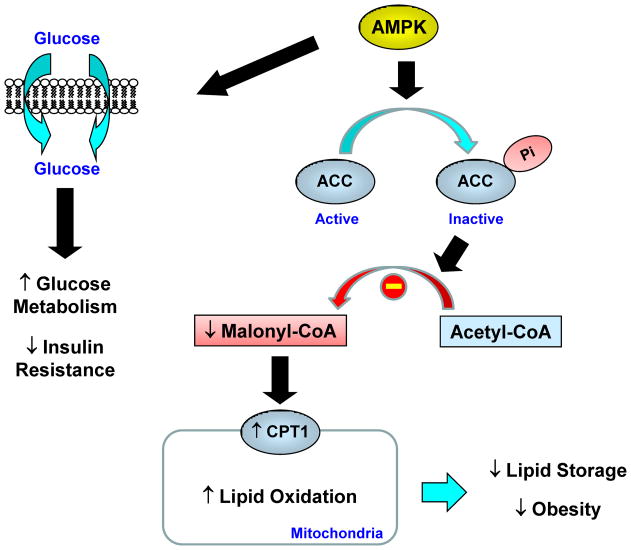
Fig. 1. Regulation of lipid and glucose metabolism by AMPK
AMP-activated protein kinase (AMPK) regulates lipid metabolism by phosphorylating and inactivating acetyl CoA carboxylase (ACC). This leads to a reduced malonyl CoA level that relieves its inhibition of carnitine:palmitoyl-CoA transferase-1 (CPT1), a rate-controlling step in mitochondrial fatty acid oxidation. AMPK activation also increases glucose metabolism and insulin action.
Fig. 2
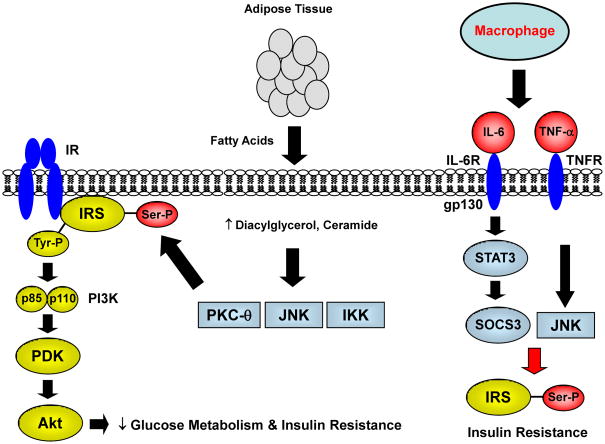
Fig. 2. Fatty acid-mediated insulin resistance
In obesity, insulin resistant adipose tissue releases excess fatty acids that promote increased lipid uptake and accumulation of lipid-derived metabolites, such as diacylglycerol, ceramide and fatty acyl CoAs. Lipid metabolites may activate serine kinases including protein kinase C (PKC)-θ, IκB kinase-β (IKK-β), cJun NH2-terminal kinase (JNK), and S6-kinase that causes a serine phosphorylation (Ser-P) of insulin receptor substrate (IRS). This in turn reduces insulin-mediated tyrosine phosphorylation (Tyr-P) of IRS, subsequent downstream insulin signaling proteins, such as phosphatidyl-inositol-3 kinase (PI3K), phosphoinositide-dependent kinase (PDK), and Akt, and glucose metabolism. In obesity, adipose tissue inflammation also contributes to systemic insulin resistance. Macrophages and adipocytes secrete inflammatory cytokines, such as interleukin-6 (IL-6) and tumor necrosis factor (TNF)-α, that bind to respective receptors (IL-6R and TNFR) on target cell surface. This leads to activation of signal transducer and activator of transcription 3 (STAT3) which increases the expression of suppressor of cytokine signaling (SOCS)-3 that targets IRS proteins for ubiquitine-mediated degradation. These cytokines also activate JNK which promotes a serine phosphorylation of IRS proteins to cause insulin resistance.
Fig. 3
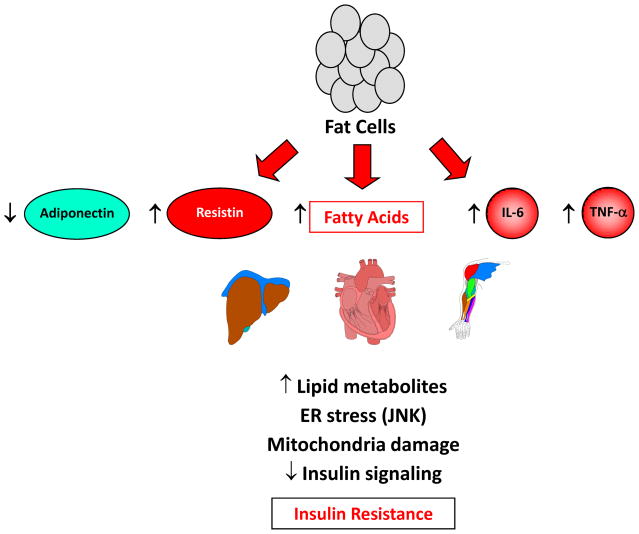
Fig. 3. Adipose tissue is a major endocrine organ that produces hormones and cytokines
In obesity, adipose tissue causes insulin resistance by releasing excess fatty acids that lead to intracellular accumulation of lipid metabolites, ER stress, and mitochondrial dysfunction. This results in impaired insulin signaling and insulin resistance. Adipose tissue further contributes to insulin resistance by altered production of hormones (reduced adiponectin and increased resistin) that regulate AMPK, insulin signaling and glucose metabolism in other organs. In addition to macrophages, obese adipocytes also produce inflammatory cytokines, such as IL-6 and TNF-α, which cause insulin resistance.
Fig. 4
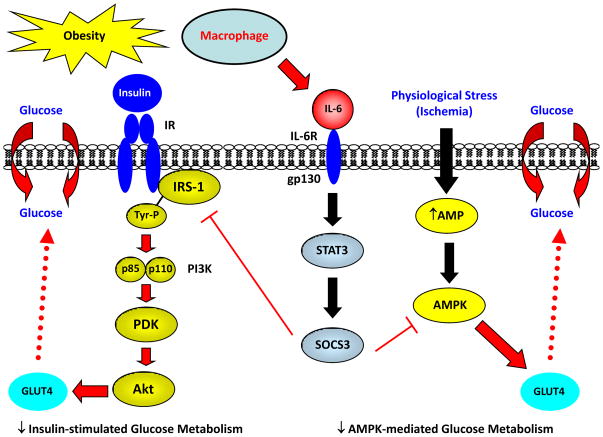
Fig. 4. Obesity induces local inflammation in heart and causes insulin resistance
In obesity, a local inflammation in heart increases macrophage and cytokine levels, such as IL-6, that affect myocardial glucose metabolism. IL-6 activates STAT3-SOCS3 signaling pathway which suppresses IRS-associated insulin signaling and insulin-mediated glucose metabolism (insulin resistance) in heart. Inflammation and IL-6 also inhibit AMPK activity that reduces basal glucose metabolism in heart. Impaired capacity to utilize glucose during a physiological stress, such as ischemia, may contribute to insufficient cardiomyocyte energetics, cell death, cardiomyopathy, and diabetic heart failure.
Fig. 5
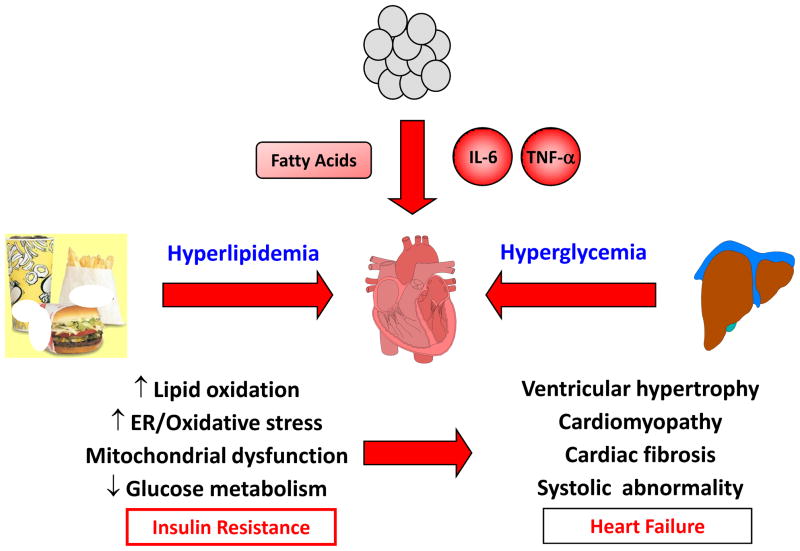
Fig. 5. Diabetic heart faces many stresses
Meals high in calories and fat contribute to hyperlipidemia, and insulin resistance in liver causes hyperglycemia. Obesity-mediated inflammation increases serum cytokine levels, and obese adipose tissue releases excess fatty acids. These nutrient stress induce cellular events including increased lipid oxidation and ER/oxidative stress, mitochondrial dysfunction, reduced glucose metabolism, and insulin resistance in heart. Diabetic heart with impaired energy states is predisposed to ischemia-mediated injury that may lead to structural and functional abnormalities and heart failure.

References

    1. Wild S, et al. Diabetes Care. 2004;27:1047–1053. - PubMed
    1. Grundy SM, et al. Diabetes and cardiovascular disease: a statement for healthcare professionals from the American Heart Association. Circulation. 1999;100:1134–1146. - PubMed
    1. Eguchi K, et al. Association between diabetes mellitus and left ventricular hypertrophy in a multiethnic population. Am J Cardiol. 2008;101:1787–1791. - PMC - PubMed
    1. Bell DS. Heart failure: the frequent, forgotten, and often fatal complication of diabetes. Diabetes Care. 2003;26:2433–2441. - PubMed
    1. Boyer JK, et al. Prevalence of ventricular diastolic dysfunction in asymptomatic normotensive patients with diabetes mellitus. Am J Cardiol. 2004;93:870–875. - PubMed

Publication types