


Randomized, double-blinded clinical trial for human norovirus inactivation in oysters by high hydrostatic pressure processing
- PMID: 21705552
- PMCID: PMC3147477
- DOI: 10.1128/AEM.02801-10
Randomized, double-blinded clinical trial for human norovirus inactivation in oysters by high hydrostatic pressure processing
Abstract
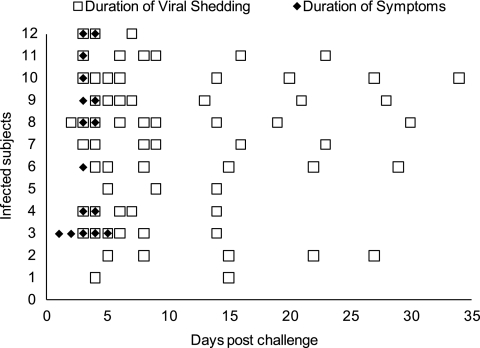
Contamination of oysters with human noroviruses (HuNoV) constitutes a human health risk and may lead to severe economic losses in the shellfish industry. There is a need to identify a technology that can inactivate HuNoV in oysters. In this study, we conducted a randomized, double-blinded clinical trial to assess the effect of high hydrostatic pressure processing (HPP) on Norwalk virus (HuNoV genogroup I.1) inactivation in virus-seeded oysters ingested by subjects. Forty-four healthy, positive-secretor adults were divided into three study phases. Subjects in each phase were randomized into control and intervention groups. Subjects received Norwalk virus (8FIIb, 1.0 × 10(4) genomic equivalent copies) in artificially seeded oysters with or without HPP treatment (400 MPa at 25°C, 600 MPa at 6°C, or 400 MPa at 6°C for 5 min). HPP at 600 MPa, but not 400 MPa (at 6° or 25°C), completely inactivated HuNoV in seeded oysters and resulted in no HuNoV infection among these subjects, as determined by reverse transcription-PCR detection of HuNoV RNA in subjects' stool or vomitus samples. Interestingly, a white blood cell (granulocyte) shift was identified in 92% of the infected subjects and was significantly associated with infection (P = 0.0014). In summary, these data suggest that HPP is effective at inactivating HuNoV in contaminated whole oysters and suggest a potential intervention to inactivate infectious HuNoV in oysters for the commercial shellfish industry.
Figures
References
-
- Aggarwal R., McCaustland K. A. 1998. Hepatitis E virus RNA detection in serum and feces specimens with the use of microspin columns. J. Virol. Methods 74:209–213 - PubMed
-
- Alexander W. J., Holmes J. R., Shaw J. F., Riley W. E., Roper W. L. 1986. Norwalk virus outbreak at a college campus. South. Med. J. 79:33–36,40 - PubMed
-
- Anonymous 2009. Surveillance for foodborne disease outbreaks—United States, 2006. MMWR Morb. Mortal. Wkly. Rep. 58:609–615 - PubMed
-
- Azevedo M., et al. 2008. Infection by Helicobacter pylori expressing the BabA adhesin is influenced by the secretor phenotype. J. Pathol. 215:308–316 - PubMed
Publication types
MeSH terms
Grants and funding
LinkOut - more resources
Full Text Sources
Other Literature Sources
Medical
