The automaticity of emotional face-context integration
- PMID: 21707150
- PMCID: PMC3242002
- DOI: 10.1037/a0023578
The automaticity of emotional face-context integration
Abstract
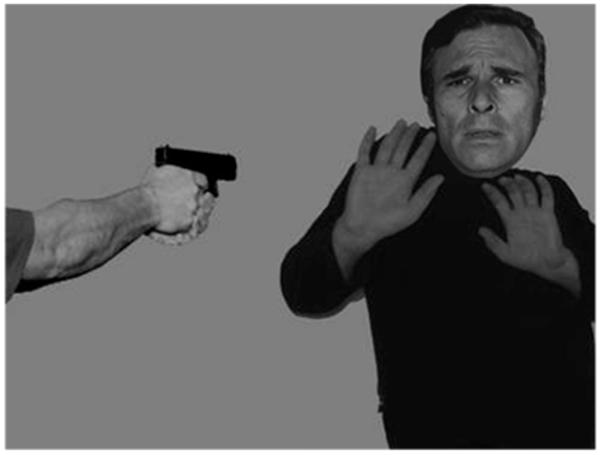
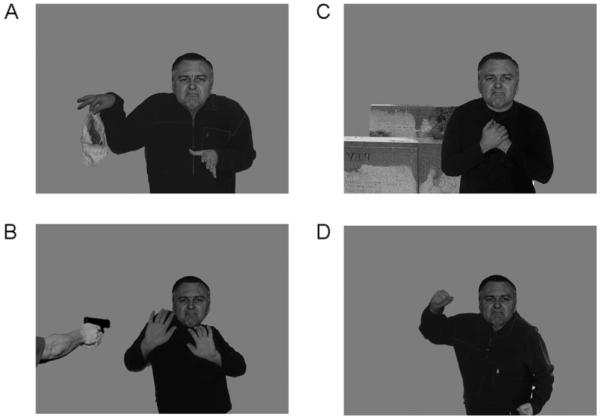
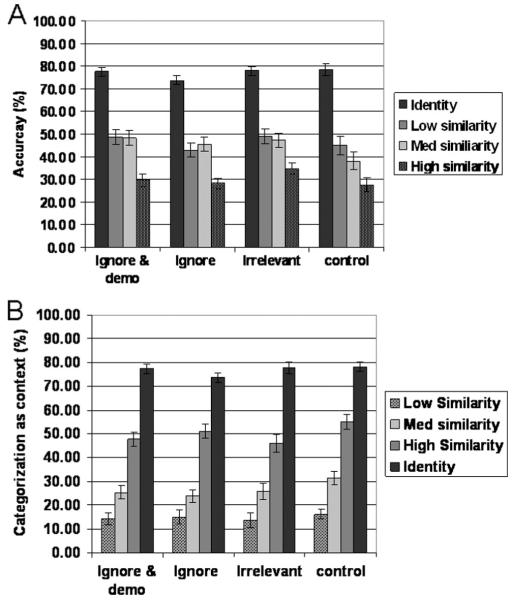
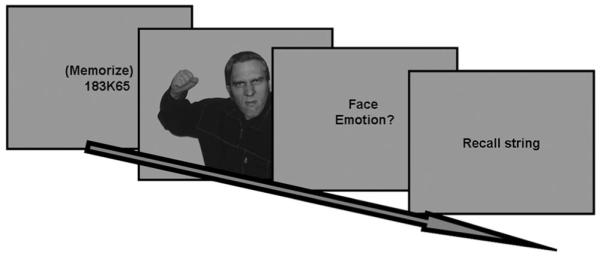
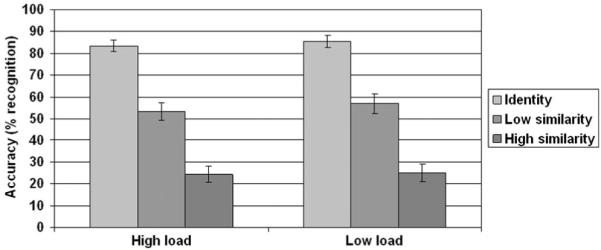
Recent studies have demonstrated that context can dramatically influence the recognition of basic facial expressions, yet the nature of this phenomenon is largely unknown. In the present paper we begin to characterize the underlying process of face-context integration. Specifically, we examine whether it is a relatively controlled or automatic process. In Experiment 1 participants were motivated and instructed to avoid using the context while categorizing contextualized facial expression, or they were led to believe that the context was irrelevant. Nevertheless, they were unable to disregard the context, which exerted a strong effect on their emotion recognition. In Experiment 2, participants categorized contextualized facial expressions while engaged in a concurrent working memory task. Despite the load, the context exerted a strong influence on their recognition of facial expressions. These results suggest that facial expressions and their body contexts are integrated in an unintentional, uncontrollable, and relatively effortless manner.
(c) 2011 APA, all rights reserved.
Figures
References
-
- Adolphs R. Neural systems for recognizing emotion. Current Opinion in Neurobiology. 2002;12:169–177. doi:10.1016/s0959-4388(02)00301-x. - PubMed
-
- Adolphs R. Cognitive neuroscience of human social behaviour. Nature Reviews Neuroscience. 2003;4:165–178. doi:10.1038/nrn1056. - PubMed
-
- Aviezer H, Hassin R, Bentin S, Trope Y. Putting facial expressions into context. In: Ambady N, Skowronski J, editors. First Impressions. Guilford Press; New York, NY: 2008.
Publication types
MeSH terms
Grants and funding
LinkOut - more resources
Full Text Sources
Other Literature Sources