


QSAR analysis of the toxicity of nitroaromatics in Tetrahymena pyriformis: structural factors and possible modes of action
- PMID: 21714735
- PMCID: PMC3442116
- DOI: 10.1080/1062936X.2011.569950
QSAR analysis of the toxicity of nitroaromatics in Tetrahymena pyriformis: structural factors and possible modes of action
Abstract
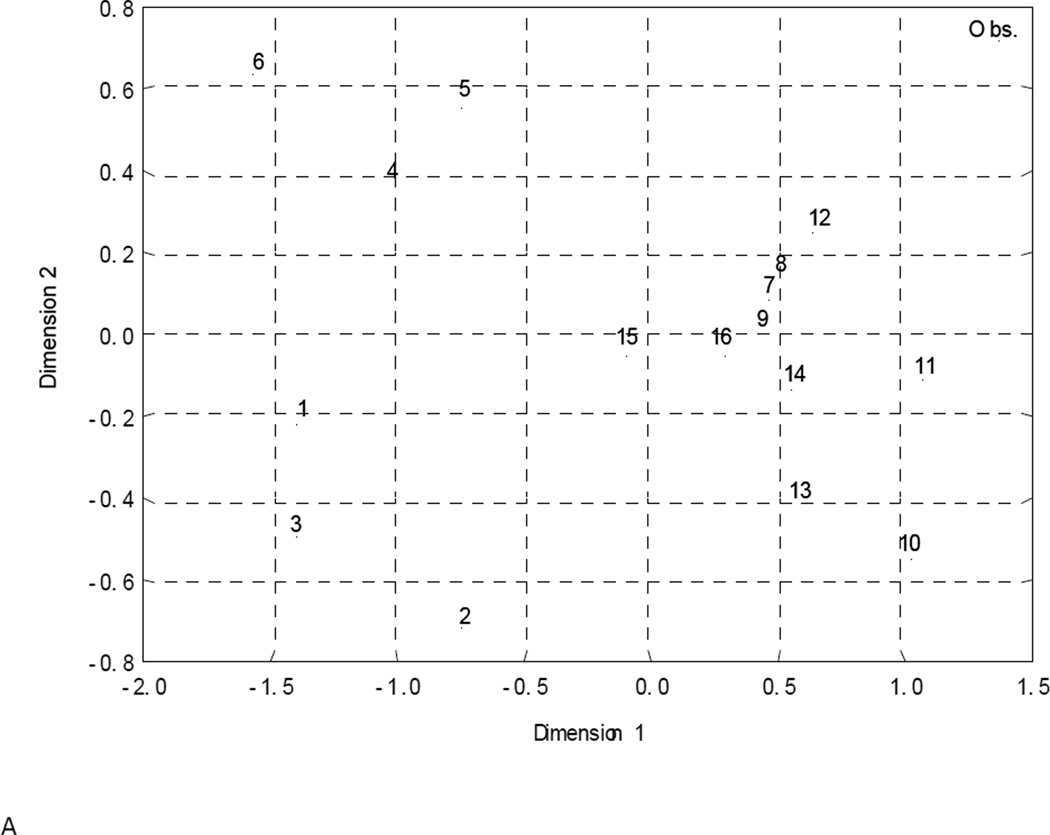
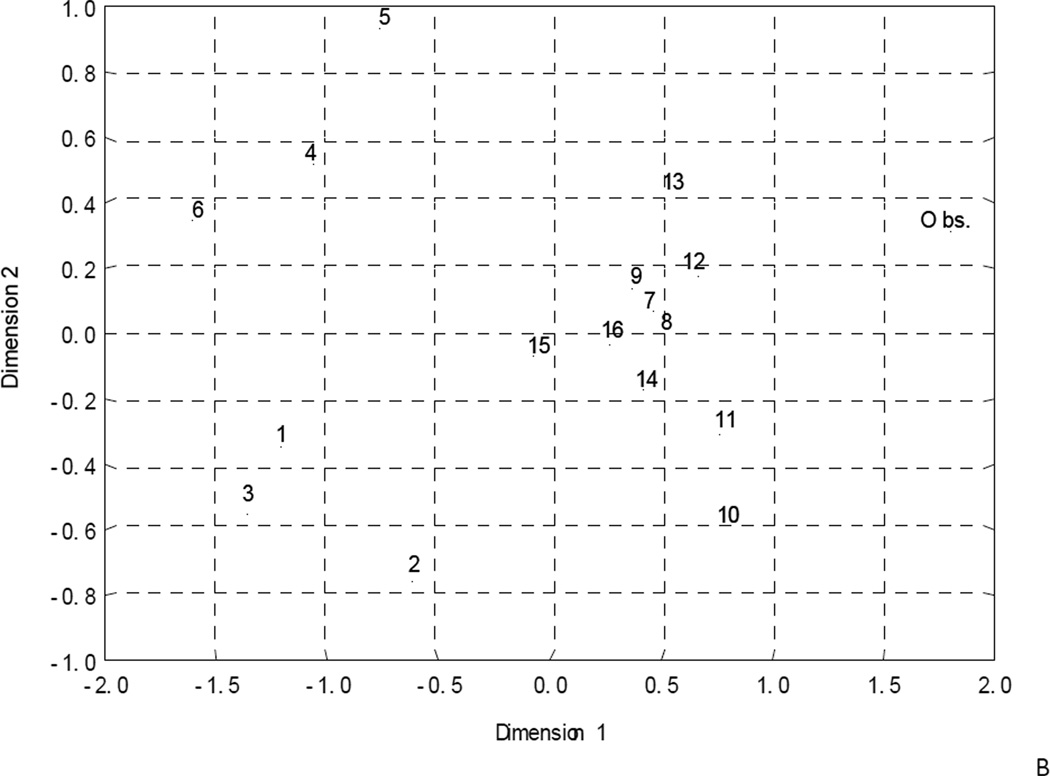
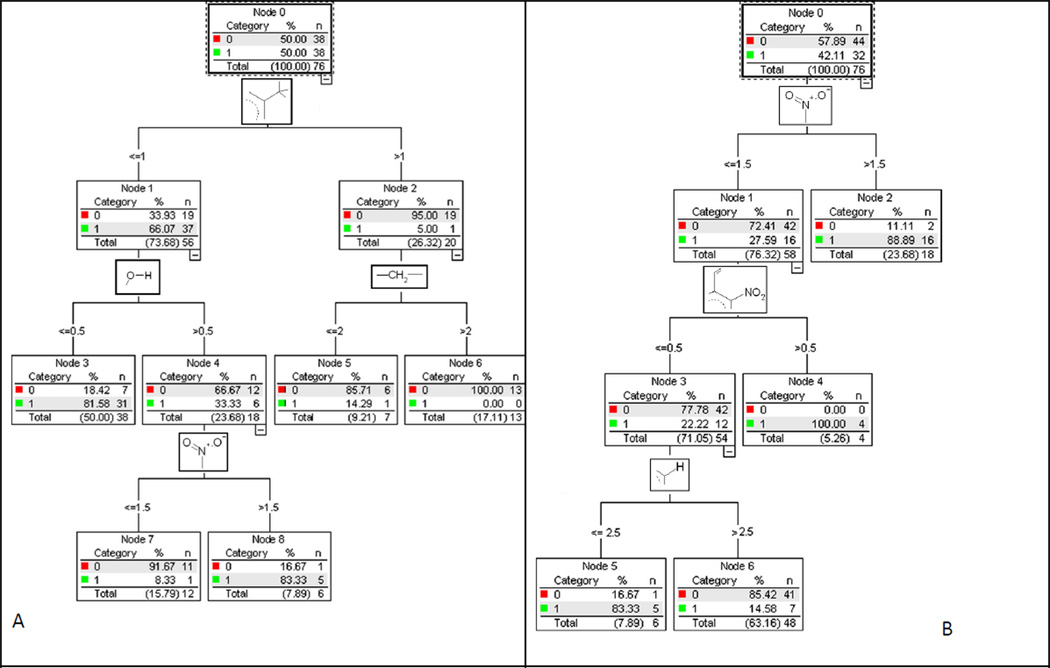
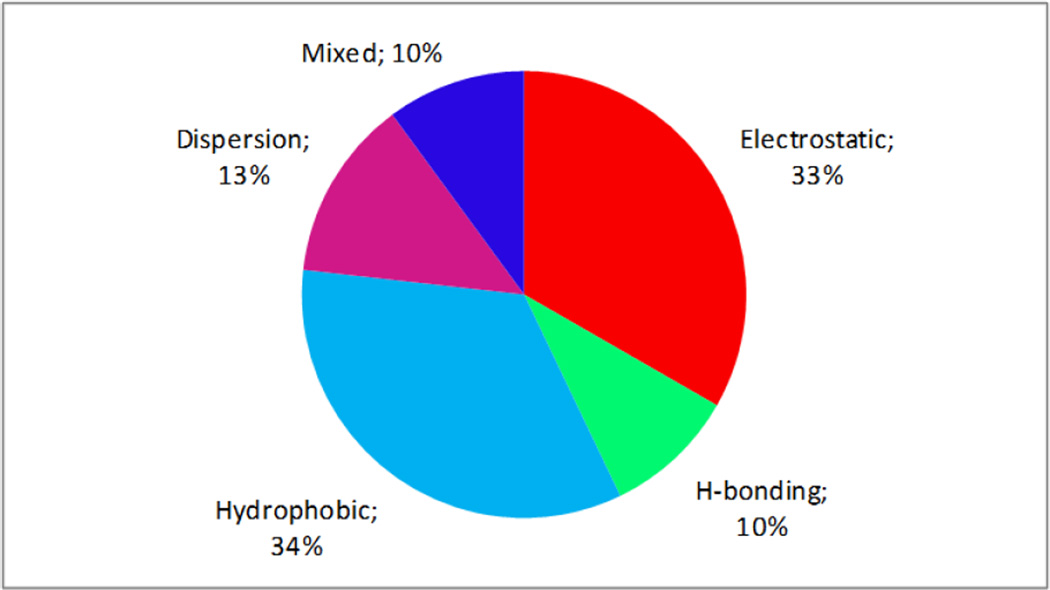
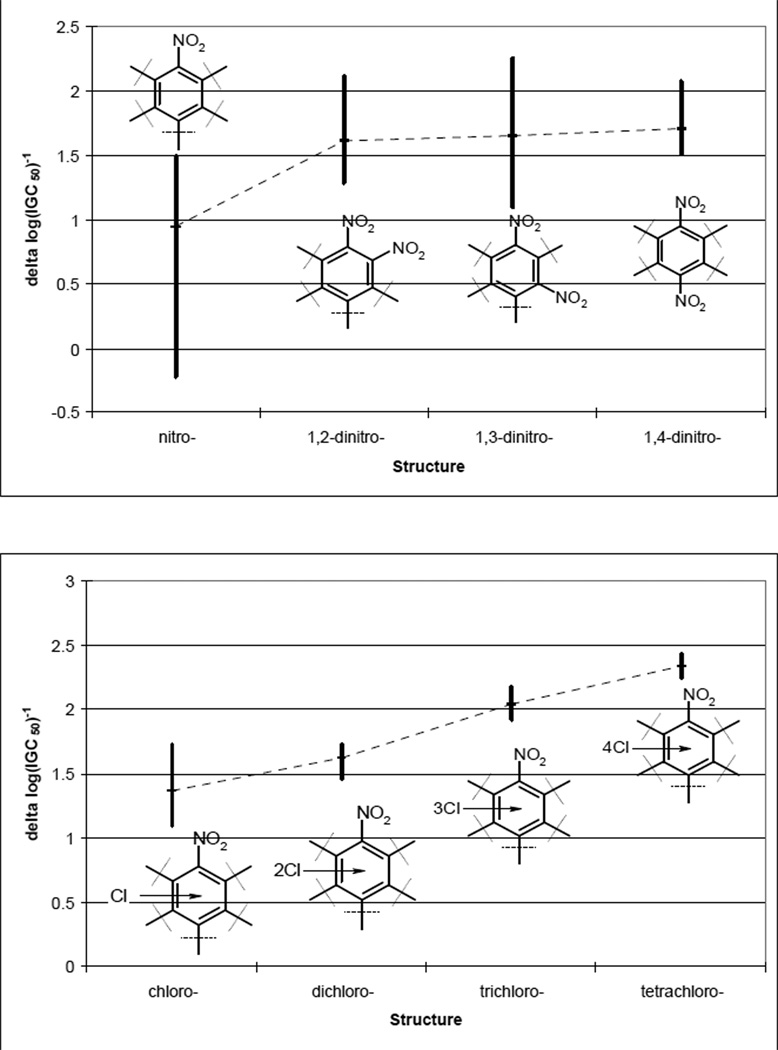
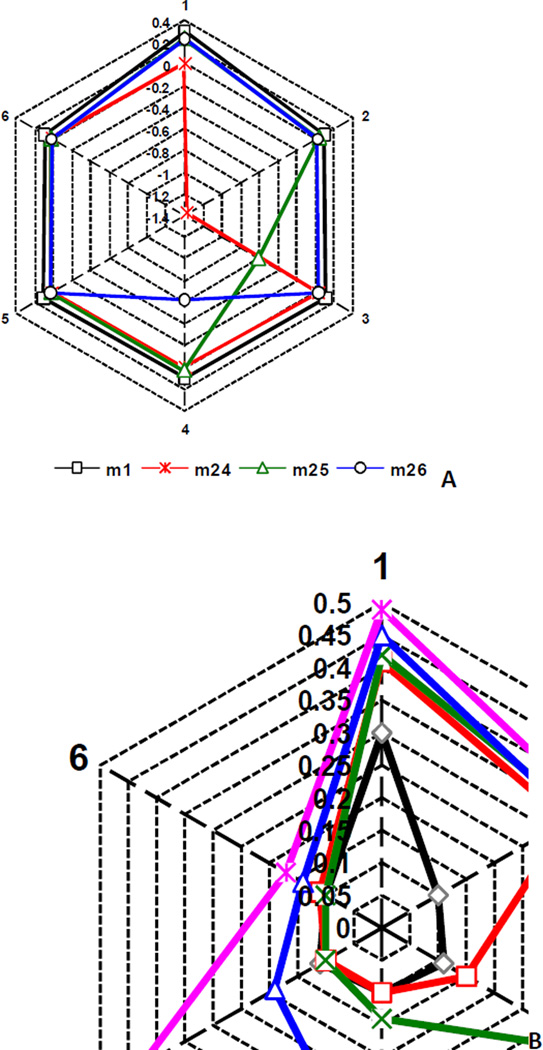
The Hierarchical Technology for Quantitative Structure-Activity Relationships (HiT QSAR) was applied to 95 diverse nitroaromatic compounds (including some widely known explosives) tested for their toxicity (50% inhibition growth concentration, IGC₅₀) against the ciliate Tetrahymena pyriformis. The dataset was divided into subsets according to putative mechanisms of toxicity. The Classification and Regression Trees (CART) approach implemented within HiT QSAR has been used for prediction of mechanism of toxicity for new compounds. The resulting models were shown to have ~80% accuracy for external datasets indicating that the mechanistic dataset division was sensible. The Partial Least Squares (PLS) statistical approach was then used to develop 2D QSAR models. Validated PLS models were explored to: (1) elucidate the effects of different substituents in nitroaromatic compounds on toxicity; (2) differentiate compounds by probable mechanisms of toxicity based on their structural descriptors; and (3) analyse the role of various physical-chemical factors responsible for compounds' toxicity. Models were interpreted in terms of molecular fragments promoting or interfering with toxicity. It was also shown that mutual influence of substituents in benzene ring plays the determining role in toxicity variation. Although chemical mechanism based models were statistically significant and externally predictive (r²(ext) = 0.64 for the external set of 63 nitroaromatics identified after all calculations have been completed), they were also shown to have limited coverage (57% for modelling and 76% for external set).
Figures





References
-
- Patai S. The Chemistry of Amino, Nitroso, and Nitro Compounds and Their Derivatives. New York, USA: John Wiley & Sons Inc.; 1982.
-
- Feuer H, Nielsen AT. Nitro Compounds: Recent Advances in Synthesis and Chemistry. New York: VCH Publishing; 1990.
-
- Neilson AH, Allard A-S. Environmental Degradation and Transformation of Organic Chemicals. Boca Raton, Florida: CRC Press; 2008.
-
- Talmage SS, Opresko DM, Maxwell CJ, Welsh CJ, Cretella FM, Reno PH, Daniel FB. Nitroaromatic munition compounds: environmental effects and screening values. Rev. Environ. Contam. Toxicol. 1999;161:1–156. - PubMed
-
- Rickert DE. Toxicity of Nitroaromatic Compounds. Bristol, Pennsylvania: Hemisphere Publishing Corp.; 1984.
Publication types
MeSH terms
Substances
Grants and funding
LinkOut - more resources
Full Text Sources