


Osteoblasts derived from induced pluripotent stem cells form calcified structures in scaffolds both in vitro and in vivo
- PMID: 21732479
- PMCID: PMC3321731
- DOI: 10.1002/stem.566
Osteoblasts derived from induced pluripotent stem cells form calcified structures in scaffolds both in vitro and in vivo
Abstract
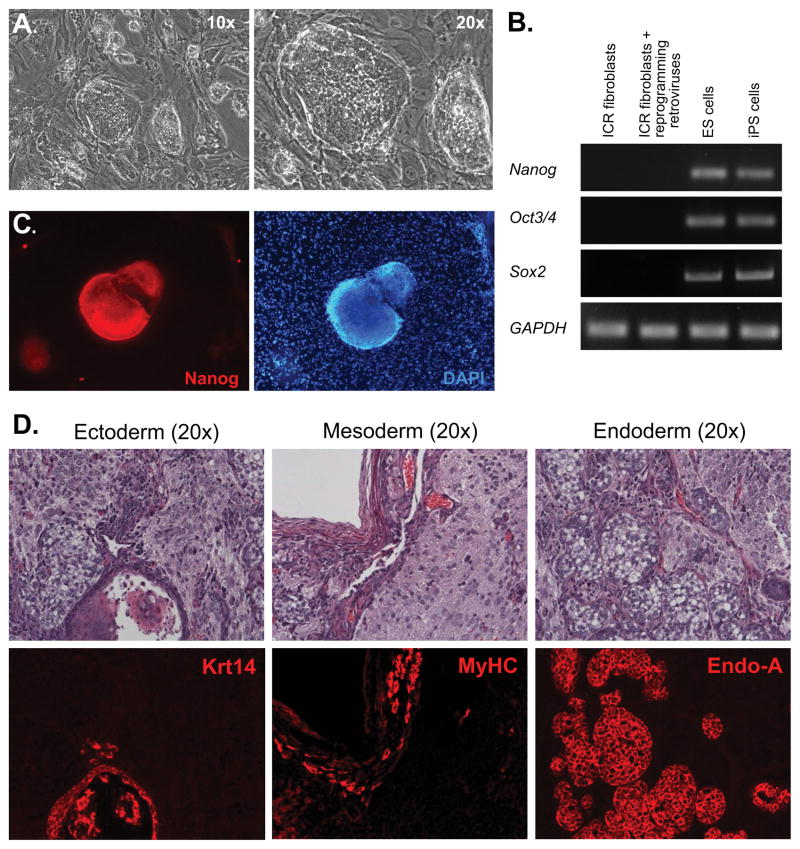
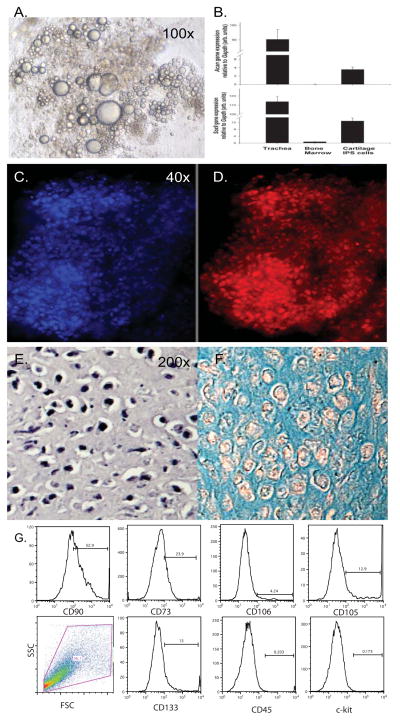
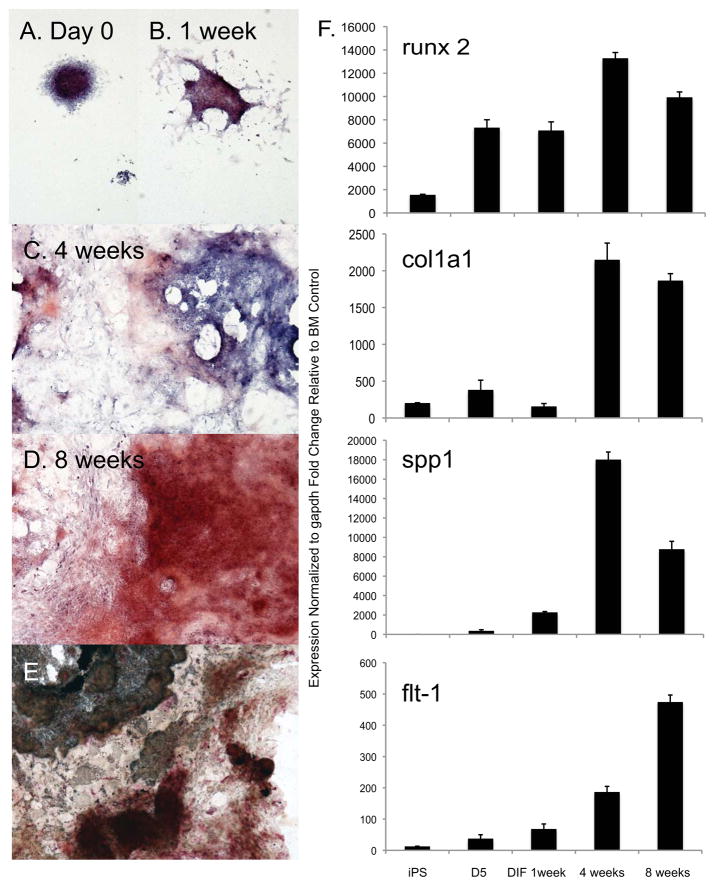
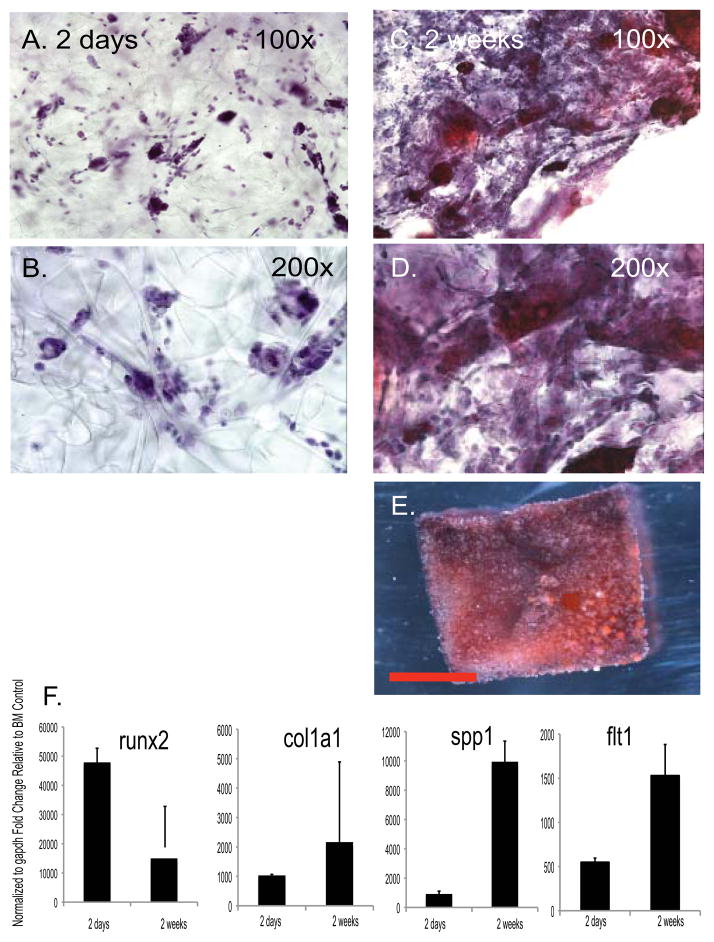
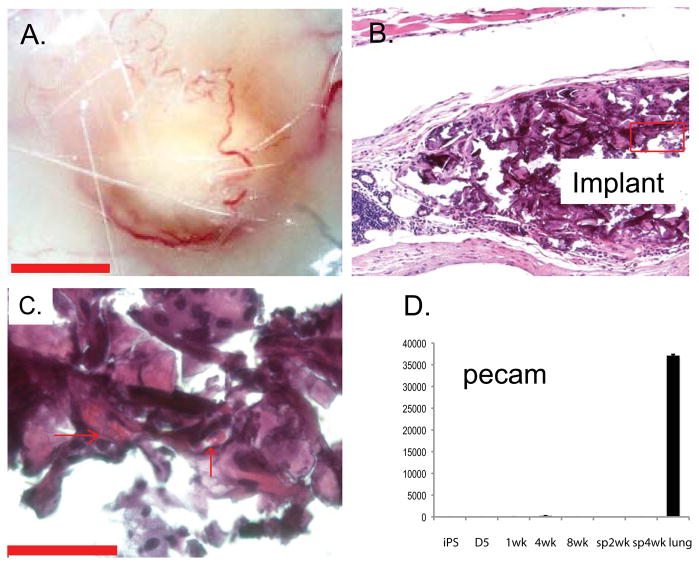
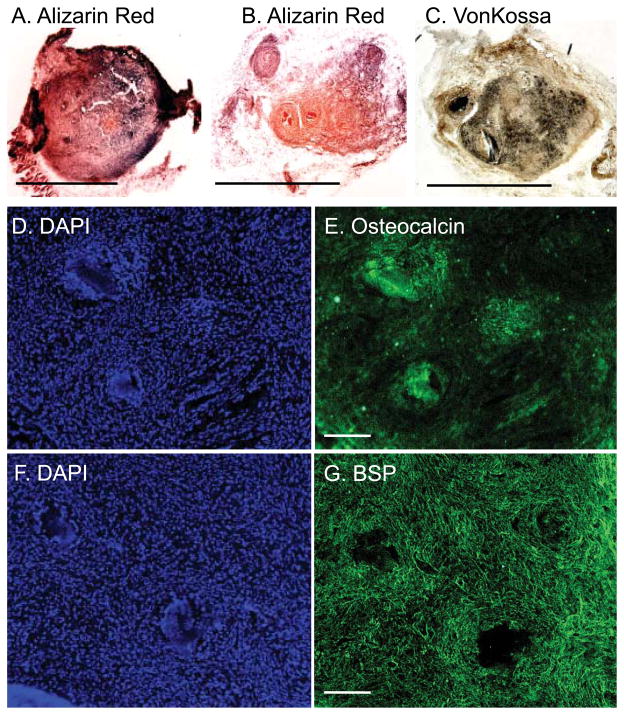
Reprogramming somatic cells into an ESC-like state, or induced pluripotent stem (iPS) cells, has emerged as a promising new venue for customized cell therapies. In this study, we performed directed differentiation to assess the ability of murine iPS cells to differentiate into bone, cartilage, and fat in vitro and to maintain an osteoblast phenotype on a scaffold in vitro and in vivo. Embryoid bodies derived from murine iPS cells were cultured in differentiation medium for 8–12 weeks. Differentiation was assessed by lineage-specific morphology, gene expression, histological stain, and immunostaining to detect matrix deposition. After 12 weeks of expansion, iPS-derived osteoblasts were seeded in a gelfoam matrix followed by subcutaneous implantation in syngenic imprinting control region (ICR) mice. Implants were harvested at 12 weeks, histological analyses of cell and mineral and matrix content were performed. Differentiation of iPS cells into mesenchymal lineages of bone, cartilage, and fat was confirmed by morphology and expression of lineage-specific genes. Isolated implants of iPS cell-derived osteoblasts expressed matrices characteristic of bone, including osteocalcin and bone sialoprotein. Implants were also stained with alizarin red and von Kossa, demonstrating mineralization and persistence of an osteoblast phenotype. Recruitment of vasculature and microvascularization of the implant was also detected. Taken together, these data demonstrate functional osteoblast differentiation from iPS cells both in vitro and in vivo and reveal a source of cells, which merit evaluation for their potential uses in orthopedic medicine and understanding of molecular mechanisms of orthopedic disease.
Conflict of interest statement
The authors indicate no potential conflicts of interest.
Figures
References
-
- Takahashi K, et al. Induction of pluripotent stem cells from adult human fibroblasts by defined factors. Cell. 2007;131(5):861–872. - PubMed
-
- Takahashi K, Yamanaka S. Induction of pluripotent stem cells from mouse embryonic and adult fibroblast cultures by defined factors. Cell. 2006;126(4):663–676. - PubMed
-
- Wernig M, et al. In vitro reprogramming of fibroblasts into a pluripotent ES-cell-like state. Nature. 2007;448(7151):318–324. - PubMed
-
- Yamanaka S. Strategies and new developments in the generation of patient-specific pluripotent stem cells. Cell Stem Cell. 2007;1(1):39–49. - PubMed
-
- Yu J, et al. Induced pluripotent stem cell lines derived from human somatic cells. Science. 2007;318(5858):1917–1920. - PubMed
Publication types
MeSH terms
Substances
Grants and funding
LinkOut - more resources
Full Text Sources
Other Literature Sources
