. 2011;6(6):e21632.
doi: 10.1371/journal.pone.0021632. Epub 2011 Jun 27.

Selective BRAFV600E inhibitor PLX4720, requires TRAIL assistance to overcome oncogenic PIK3CA resistance

Affiliations

Selective BRAFV600E inhibitor PLX4720, requires TRAIL assistance to overcome oncogenic PIK3CA resistance

Eftychia Oikonomou et al. PLoS One. 2011.

Abstract

Documented sensitivity of melanoma cells to PLX4720, a selective BRAFV600E inhibitor, is based on the presence of mutant BRAF(V600E) alone, while wt-BRAF or mutated KRAS result in cell proliferation. In colon cancer appearance of oncogenic alterations is complex , since BRAF, like KRAS mutations, tend to co-exist with those in PIK3CA and mutated PI3K has been shown to interfere with the successful application of MEK inhibitors. When PLX4720 was used to treat colon tumours, results were not encouraging and herein we attempt to understand the cause of this recorded resistance and discover rational therapeutic combinations to resensitize oncogene driven tumours to apoptosis. Treatment of two genetically different BRAF(V600E) mutant colon cancer cell lines with PLX4720 conferred complete resistance to cell death. Even though p-MAPK/ ERK kinase (MEK) suppression was achieved, TRAIL, an apoptosis inducing agent, was used synergistically in order to achieve cell death by apoptosis in RKO(BRAFV600E/PIK3CAH1047) cells. In contrast, for the same level of apoptosis in HT29(BRAFV600E/PIK3CAP449T) cells, TRAIL was combined with 17-AAG, an Hsp90 inhibitor. For cells where PLX4720 was completely ineffective, 17-AAG was alternatively used to target mutant BRAF(V600E). TRAIL dependence on the constitutive activation of BRAF(V600E) is emphasised through the overexpression of BRAF(V600E) in the permissive genetic background of colon adenocarcinoma Caco-2 cells. Pharmacological suppression of the PI3K pathway further enhances the synergistic effect between TRAIL and PLX4720 in RKO cells, indicating the presence of PIK3CA(MT) as the inhibitory factor. Another rational combination includes 17-AAG synergism with TRAIL in a BRAF(V600E) mutant dependent manner to commit cells to apoptosis, through DR5 and the amplification of the apoptotic pathway. We have successfully utilised combinations of two chemically unrelated BRAF(V600E) inhibitors in combination with TRAIL in a BRAF(V600E) mutated background and provided insight for new anti-cancer strategies where the activated PI3KCA mutation oncogene should be suppressed.


Conflict of interest statement

Competing Interests: The authors have declared that no competing interests exist.

Figures

Figure 1
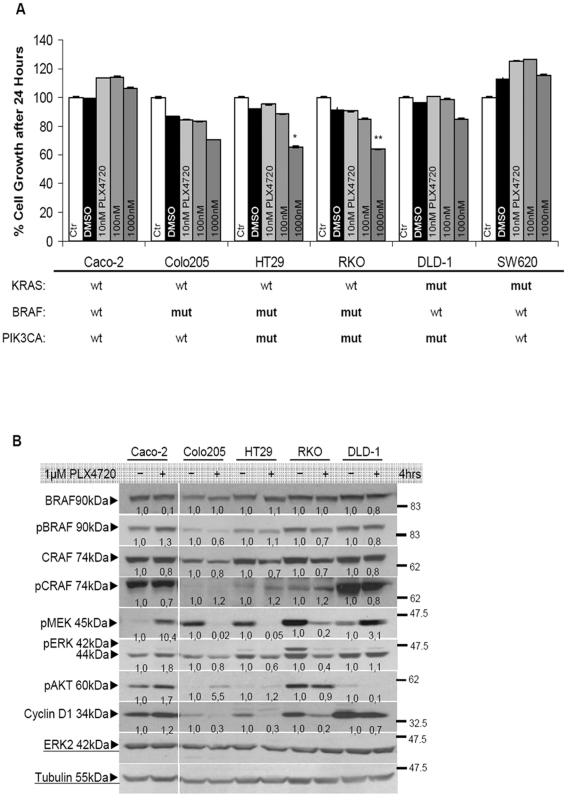
Figure 1. Presence of BRAF mutations are not selective for efficient PLX4720 treatment in colon cancer cells.
(A) Cell survival for a panel of colon cancer cell lines treated with the selective for mutant BRAF pharmacologic inhibitor PLX4720. The values are the average of three independent experiments and are presented as fold change of the absorbance of treated/ untreated cells, for each condition. The number of viable cells was assayed by SRB 24 hours after treatment. Treatment conditions are provided along the top on each column. *P<0.05, **P<0.01 vs Ctr-untreated. (B) Total cell lysates harvested from cells treated for 4 hours with 1 µM PLX4720 were immunoblotted for the indicated antibodies. Proteins are quantified against α-tubulin and pERK levels against total ERK using the untreated condition of each cell line as a reference to the treated one.
Figure 2
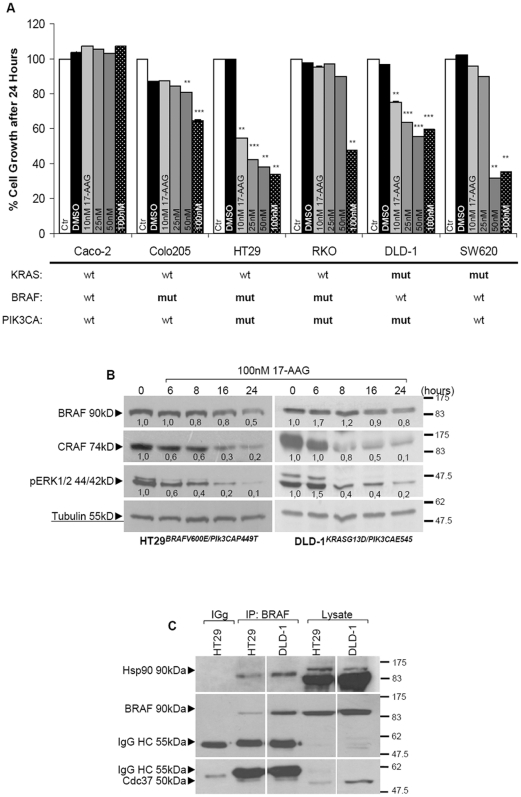
Figure 2. Presence of BRAFV600E, an Hsp90 client protein, confers sensitivity to 17-AAG in colon cancer cells.
(A) Cell survival for a panel of colon cancer cell lines treated with the Hsp90 pharmacologic inhibitor 17-AAG. The values are the average of three independent experiments and are presented as fold change of the absorbance of treated/ untreated cells, for each condition. The number of viable cells was assayed by SRB 24 hours after treatment. Treatment conditions are provided along the top on each column. *P<0.05, **P<0.01, ***P<0.001 vs Ctr-untreated. (B) Total cell lysates harvested from cells treated for indicated time points with 100 nM 17-AAG were immunoblotted for the indicated antibodies. Proteins are quantified against α-tubulin. (C) Total cell lysates from indicated cell lines were immunoprecipitated with BRAF and the complexes were immunoblotted with Hsp90, BRAF and Cdc37, which is right bellow the heavy chain (HC) of the antibody.
Figure 3
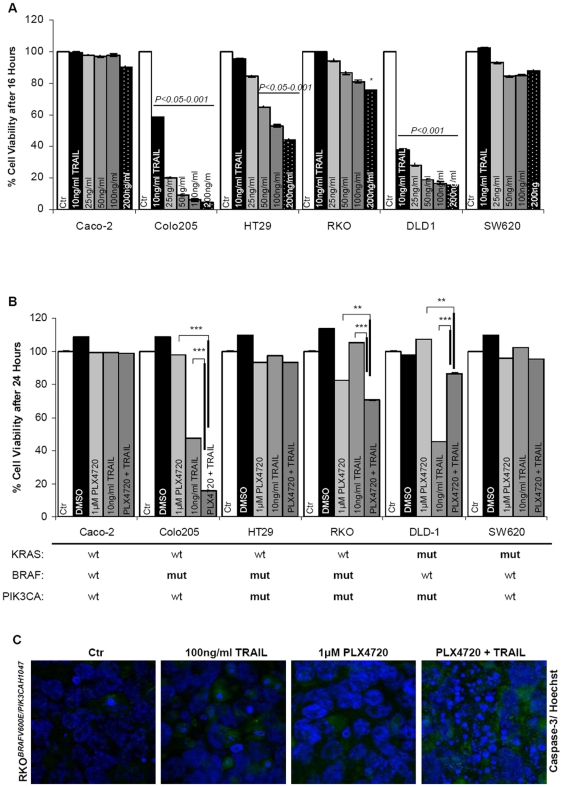
Figure 3. PLX4720 sensitises RKO cells to TRAIL-induced apoptosis.
(A) Cytotoxic effects of the apoptotic agent TRAIL in a panel of colon cancer cell lines. The values are the average of three independent experiments and are presented as fold change of the absorbance of treated/ untreated cells, for each condition. The number of viable cells was assayed by SRB 16 hours after treatment. Treatment conditions are provided along the top on each column. *P<0.05, **P<0.01, ***P<0.001. (B) Combined treatment with 1 µM PLX4720 for 8 hours and concomitant administration of 10 ng/ml TRAIL for 16 hours in a panel of colon cancer cell lines. Cell viability assayed by SRB 24 hours after treatment. (C) Caspase-3 activation analysed by immunofluorescence 24 hours after induction with TRAIL/ PLX4720 alone or in combination, in a 3D culture of RKO cells. Representative confocal immunofluorescence images, double labelled with Hoechst (blue) and active caspase-3 (green). Original magnification 63x.
Figure 4
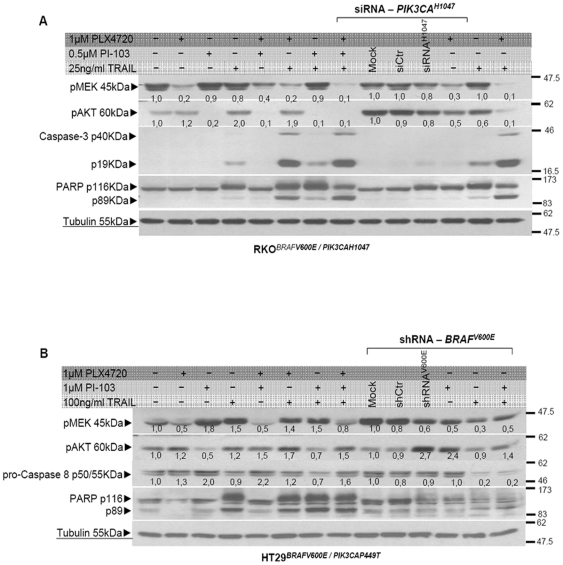
Figure 4. Inhibition of PIK3CA increases the combination efficacy of TRAIL with PLX4720 in RKO cells.
(A) Cells left untreated or treated with either 1 µM PLX4720 or a PIK3CA pharmacologic inhibitor PI-103 (0.5 µM) for 24 hours. Combined treatment of PLX4720 for 8 hours with concomitant administration of 25 ng/ml TRAIL for 16 hours was performed along side with TRAIL treatment alone for 16 hours. Combined inhibition of mutant PI3K and BRAF using 0.5 µM PI-103 and 1 µM PLX4720 for 8 hours following concomitant administration of 25 ng/ml TRAIL for 16 hours. Alternative depletion of mutant PIK3CA by transient transfection of 1.6 pmol siRNA against the PIK3CAH1047 present in RKO cells in combination with all indicated parameters. Total cell lysates harvested from the indicated treatments were analyzed for the phosphorylation of downstream targets and induction of apoptotic markers. (B) Cells left untreated or treated with either 1 µM PLX4720 or 1 µM PI-103 for 24 hours. Combined treatment with PLX4720 for 8 hours and concomitant administration of 100 ng/ml TRAIL for 16 hours was performed along side with TRAIL treatment alone for 16 hours. Combined inhibition of mutant PI3K and BRAF using PI-103 and PLX4720 following concomitant administration of TRAIL and alternative depletion of mutant BRAF by transient transfection of 7 µg shRNA against the BRAFV600E present in HT29 cells in combination with all indicated parameters.
Figure 5
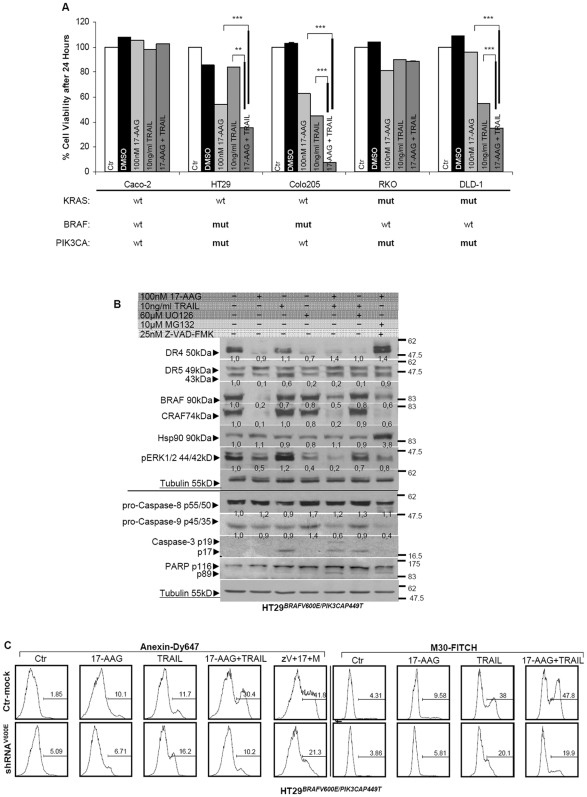
Figure 5. 17-AAG sensitises HT29 cells to TRAIL-induced apoptosis.
(A) Cytotoxic effects of the combined treatment using 17-AAG and concomitant administration of TRAIL in a panel of colon cancer cell lines. The values are the average of three independent experiments and are presented as fold change of the absorbance of treated/ untreated cells, for each condition. The number of viable cells was assayed by SRB 24 hours after treatment. Treatment conditions are provided along the top on each column. *P<0.05, **P<0.01, ***P<0.001 vs Ctr-untreated. (B) Cells left untreated or treated with 100nM 17AAG for 24 hours. Combined treatment of 17-AAG for 8 hours and concomitant administration of 100 ng/ml TRAIL for 16 hours was performed along side with TRAIL treatment alone for 16 hours. Alternatively cells were pre-treated with 25 nM Z-VAD-FMK for 1 hour then 10 µM MG132 was added for another hour after which cell were treated with 100 nM 17-AAG for 22 hours. Finally cells were pre-treated pretreated with 60 µM UO126 for 8 hours after which TRAIL was added for another 16 hours. (C) Depletion of mutant BRAF by transient transfection of 7 µg shRNA against the BRAFV600E present in HT29 cells in combination with all indicated parameters described above. Apoptotic cell death after 24 hours was assayed using the Annexin V and M30 CytoDEATH assay.
Figure 6
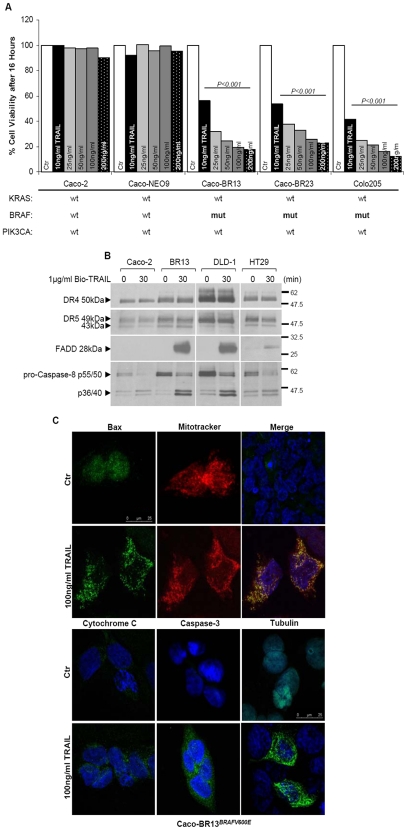
Figure 6. BRAFV600E enhances DISC formation and apoptosis in response to TRAIL in colon cancer cells.
(A) Cell survival for in Caco-BR and Colo205 cells treated with TRAIL. The values are the average of three independent experiments and are presented as fold change of the absorbance of treated/ untreated cells, for each condition. The cytotoxic effects of TRAIL were assayed by SRB. Treatment conditions are provided along the top on each column. *P<0.05, **P<0.01, ***P<0.001 vs Ctr-untreated. (B) DISC complex analysis of functional proteins bound to Bio-TRAIL at indicated time points. (C) Rapid induction of apoptosis within 30 minutes with respect to activation of apoptotic markers namely Tubulin, active caspase-3, cytochrome C and Bax were analysed by immunofluorescence after addition of TRAIL. Representative confocal immunofluorescence images, double labelled with Hoechst (blue), Mitotracker (Red) and indicated antibody (green). Original magnification 63x.
Figure 7
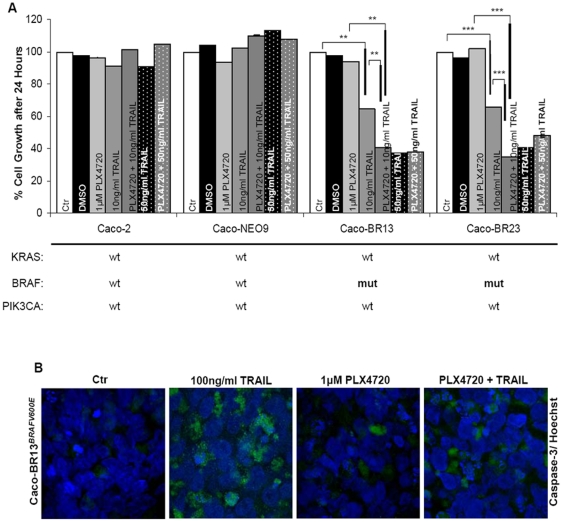
Figure 7. PLX4720 requires TRAIL synergy to induce an anti-proliferative effect.
(A) Combined treatment with 1 µM PLX4720 for 8 hours and concomitant administration of a low (10 ng/ml) or higher (50 ng/ml) concetration of TRAIL for 16 hours in Caco-BR cells. The values are the average of three independent experiments and are presented as fold change of the absorbance of treated/ untreated cells, for each condition. The cytotoxic effects of TRAIL were assayed by SRB 24 hours after treatment. *P<0.05, **P<0.01, ***P<0.001. (B) Caspase-3 activation analysed by immunofluorescence 24 hours after induction with TRAIL/ PLX4720 alone or in combination, in a 3D culture of Caco-BR13 cells. Representative confocal immunofluorescence images, double labelled with Hoechst (blue) and active caspase-3 (green). Original magnification 63x.
Figure 8
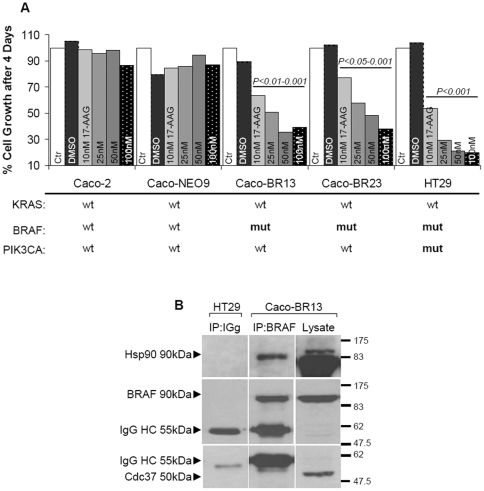
Figure 8. 17-AAG requires longer incubation periods to induce cell death.
(A) Cell survival for Caco-BR and two colon cancer cell lines treated with 17-AAG. The values are the average of three independent experiments and are presented as fold change of the absorbance of treated/ untreated cells, for each condition. The number of viable cells was assayed by SRB 4 days after treatment. Treatment conditions are provided along the top on each column. *P<0.05, **P<0.01, ***P<0.001 vs Ctr-untreated. (B) Total cell lysates of Caco-BR13 and HT29 cells were immunoprecipitated with BRAF and the complexes were immunoblotted with Hsp90, BRAF and Cdc37.
Figure 9
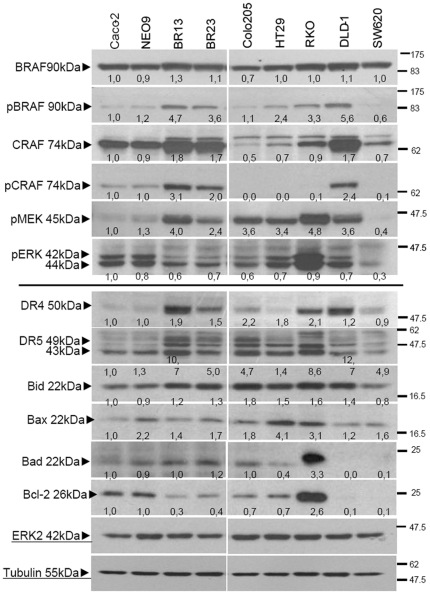
Figure 9. BRAFV600E induces apoptosis related proteins in Caco-2 cells.
(A) MAPK and apoptotic pathway protein expression analysis in indicated cell lines.
Figure 10
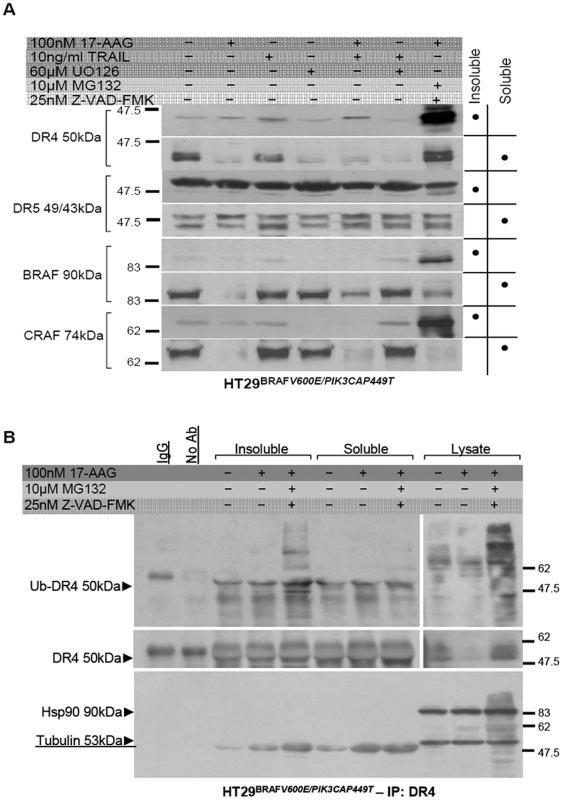
Figure 10. DR4 processing by 17-AAG in HT29 cells.
(A) NP-40-insoluble fraction from HT29 cell treated as indicated were solubilized in 2% SDS buffer and immunoblotted for the indicated antibodies. The proteasome inhibitor MG132, abrogated 17-AAG-induced loss of BRAFV600E allowing the protected but ubiquitinated BRAF, CRAF and DR4 protein to accumulate in the NP-40 insoluble fraction. (B) NP-40 soluble and insoluble fractions were immunoprecipitated with DR4 and blotted with indicated antibodies.
Figure 11
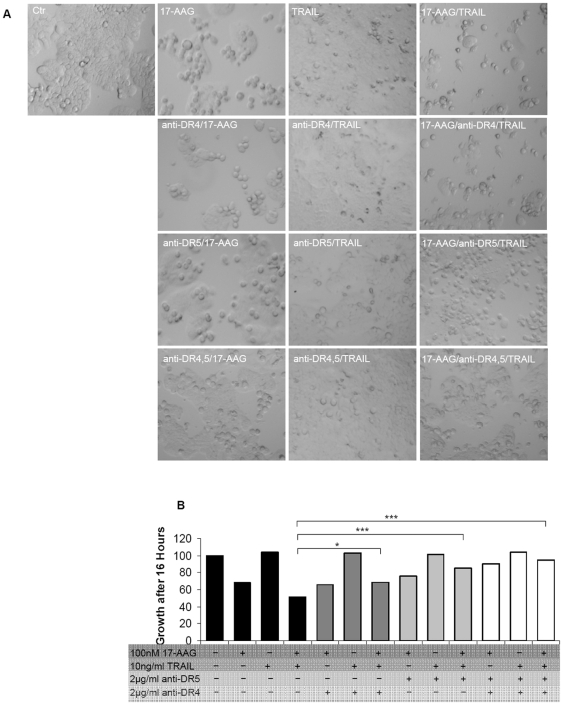
Figure 11. 17-AAG sensitizes HT29 cells to TRAIL-induced apoptosis via the DR5.
(A) Effects of anti-DR4/DR5 blocking antibodies on TRAIL/17-AAG combination treatment in HT29 cells. Pre-treatment for 15 minutes with blocking antibody preceded all indicated treatments. Representative images, original magnification 30x. (B) Cell viability of HT29 cells assays by SRB. Cell viability is presented as fold change of the absorbance of treated/ untreated cells, for each condition. *P<0.05, **P<0.01, ***P<0.001.

References

    1. Oikonomou E, Makrodouli E, Evagelidou M, Joyce T, Probert L, et al. BRAF(V600E) efficient transformation and induction of microsatellite instability versus KRAS(G12V) induction of senescence markers in human colon cancer cells. Neoplasia. 2009;11:1116–1131. - PMC - PubMed
    1. Li WQ, Kawakami K, Ruszkiewicz A, Bennett G, Moore J, et al. BRAF mutations are associated with distinctive clinical, pathological and molecular features of colorectal cancer independently of microsatellite instability status. 2Mol Cancer. 2006;5 1476-4598-5-2 [pii];10.1186/1476-4598-5-2 [doi] - PMC - PubMed
    1. Adams JM, Cory S. The Bcl-2 apoptotic switch in cancer development and therapy. Oncogene. 2007;26:1324–1337. 1210220 [pii];10.1038/sj.onc.1210220 [doi] - PMC - PubMed
    1. Lowe SW, Cepero E, Evan G. Intrinsic tumour suppression. Nature. 2004;432:307–315. nature03098 [pii];10.1038/nature03098 [doi] - PubMed
    1. Ziegler U, Groscurth P. Morphological features of cell death. News Physiol Sci. 2004;19:124–128. - PubMed

Publication types

MeSH terms