


Impact of a mHealth intervention for peer health workers on AIDS care in rural Uganda: a mixed methods evaluation of a cluster-randomized trial
- PMID: 21739286
- PMCID: PMC3265752
- DOI: 10.1007/s10461-011-9995-x
Impact of a mHealth intervention for peer health workers on AIDS care in rural Uganda: a mixed methods evaluation of a cluster-randomized trial
Abstract
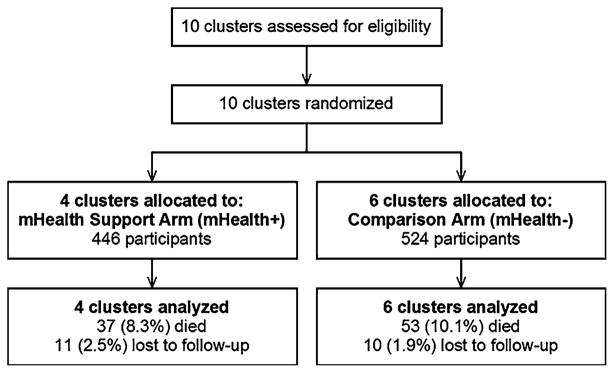
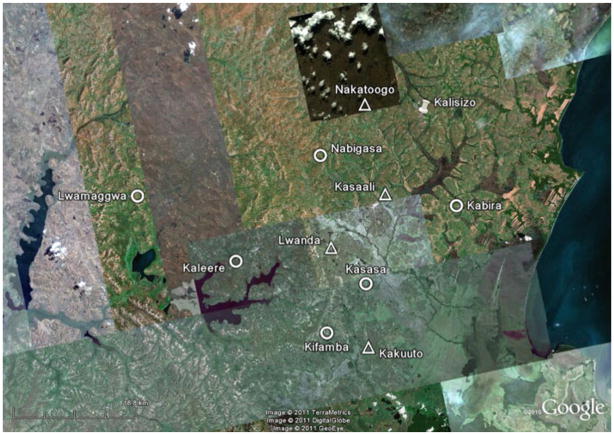
Mobile phone access in low and middle-income countries is rapidly expanding and offers an opportunity to leverage limited human resources for health. We conducted a mixed methods evaluation of a cluster-randomized trial exploratory substudy on the impact of a mHealth (mobile phone) support intervention used by community-based peer health workers (PHW) on AIDS care in rural Uganda. 29 PHWs at 10 clinics were randomized by clinic to receive the intervention or not. PHWs used phones to call and text higher level providers with patient-specific clinical information. 970 patients cared for by the PHWs were followed over a 26 month period. No significant differences were found in patients' risk of virologic failure. Qualitative analyses found improvements in patient care and logistics and broad support for the mHealth intervention among patients, clinic staff, and PHWs. Key challenges identified included variable patient phone access, privacy concerns, and phone maintenance.
Figures

References
-
- Lester R, Karanja S. Mobile phones: exceptional tools for HIV/AIDS, health, and crisis management. Lancet Infect Dis. 2008;8(12):738–9. - PubMed
-
- Vodafone. Vodafone Policy Paper Series. 2005. Africa: The impact of mobile phones. Report No.: 2.
-
- International Telecommunication Union. World telecommunication/ICT development report. Geneva: 2010.
Publication types
MeSH terms
Substances
Grants and funding
LinkOut - more resources
Full Text Sources
Medical
Miscellaneous
