


Cerebral edema and a transtentorial brain herniation syndrome associated with pandemic swine influenza A (H1N1) virus infection
- PMID: 21742505
- PMCID: PMC3705580
- DOI: 10.1016/j.jocn.2011.01.014
Cerebral edema and a transtentorial brain herniation syndrome associated with pandemic swine influenza A (H1N1) virus infection
Abstract
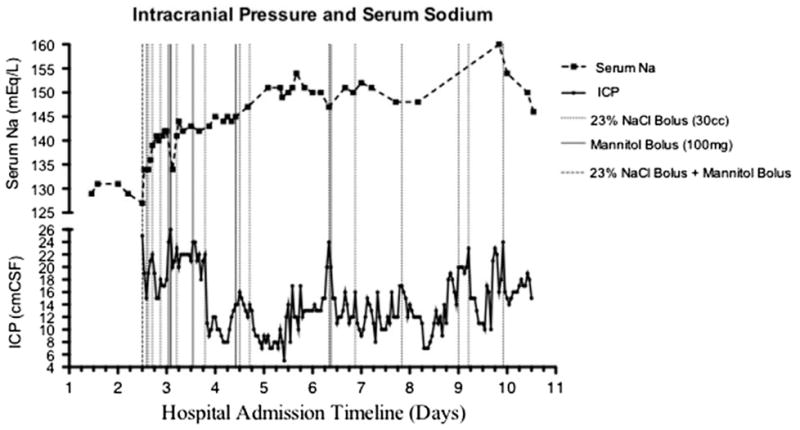
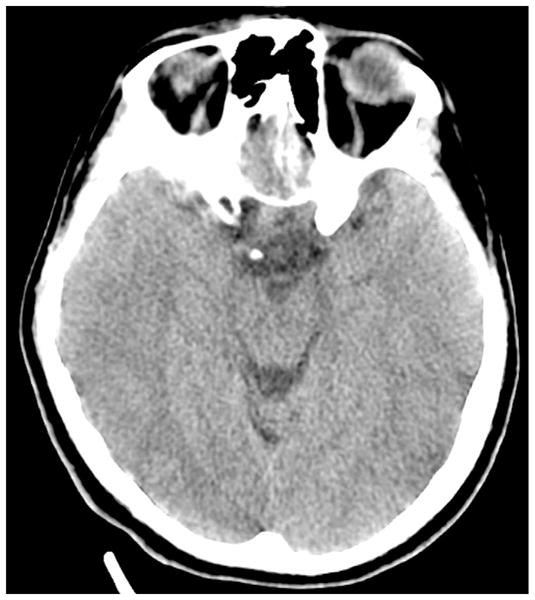
Acute encephalitis, encephalopathy, and seizures are known rare neurologic sequelae of respiratory tract infection with seasonal influenza A and B virus, but the neurological complications of the pandemic 2009 swine influenza A (H1N1) virus, particularly in adults, are ill-defined. We document two young adults suffering from H1N1-associated acute respiratory distress syndrome and renal failure who developed cerebral edema. The patients acutely developed a transtentorial brain herniation syndrome including a unilateral third nerve palsy (dilated and unresponsive pupils), elevated intracranial pressure, coma, and radiological evidence of diffuse cerebral edema. In both patients, neurological deterioration occurred in the context of hyponatremia and a systemic inflammatory state. These patients illustrate that severe neurologic complications, including malignant cerebral edema, can occur in adults infected with H1N1 virus, and illustrate the need for close neurological monitoring of potential neurological morbidities in future pandemics.
Copyright © 2011 Elsevier Ltd. All rights reserved.
Figures
References
-
- Amin R, Ford-Jones E, Richardson SE, et al. Acute childhood encephalitis and encephalopathy associated with influenza: a prospective 11-year review. Pediatr Infect Dis J. 2008;27:390–5. - PubMed
-
- Lee N, Wong CK, Chan PKS, et al. Hypercytokinemia and hyperactivation of phospho-p38 mitogen-activated protein kinase in severe human influenza A virus infection. Clin Infect Dis. 2007;45:723–31. - PubMed
Publication types
MeSH terms
Grants and funding
LinkOut - more resources
Full Text Sources
Medical
