


The microbial sulfur cycle at extremely haloalkaline conditions of soda lakes
- PMID: 21747784
- PMCID: PMC3128939
- DOI: 10.3389/fmicb.2011.00044
The microbial sulfur cycle at extremely haloalkaline conditions of soda lakes
Abstract
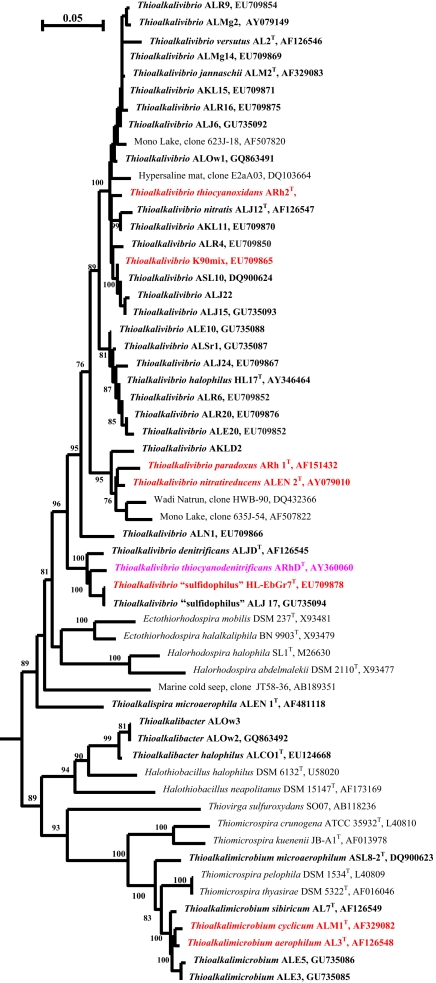
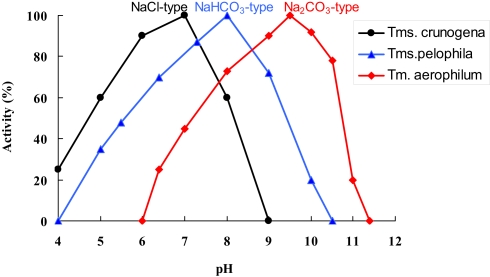
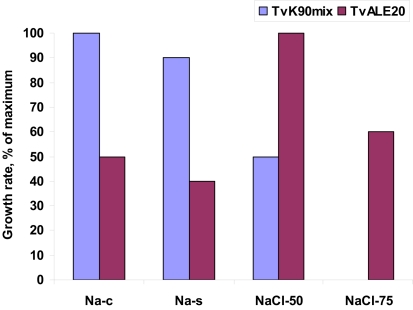
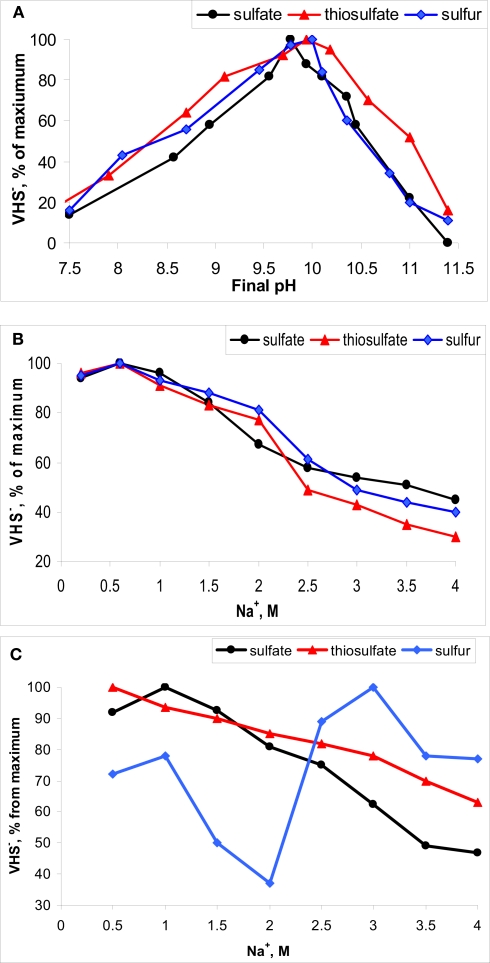
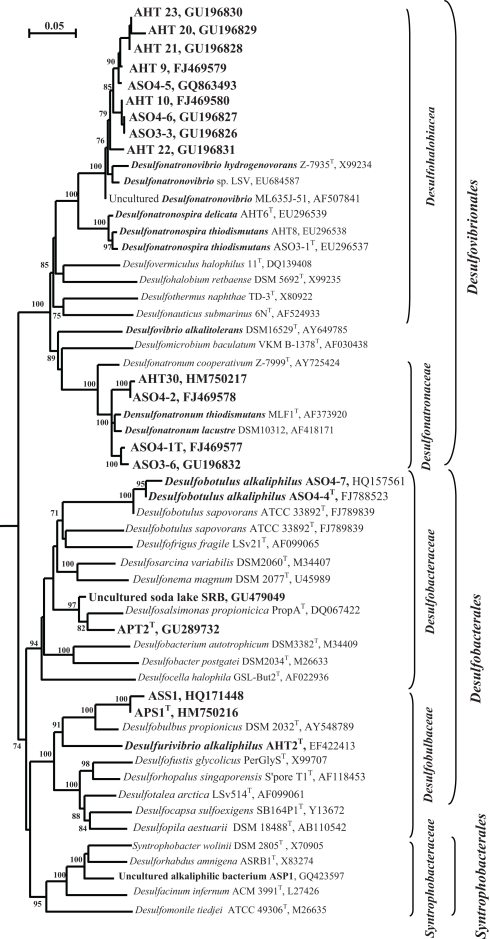
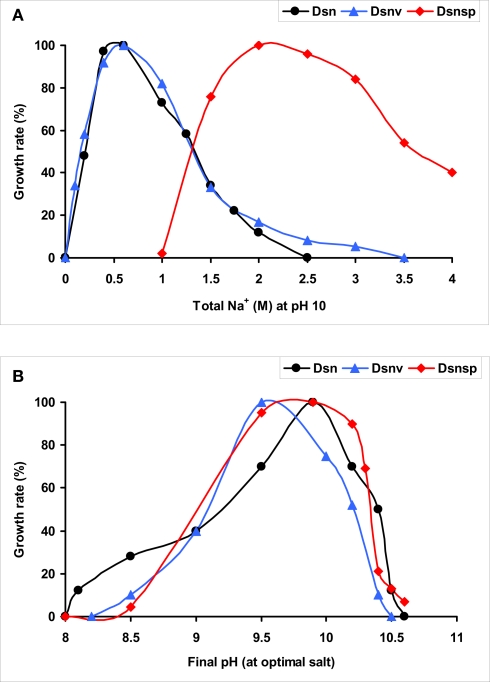
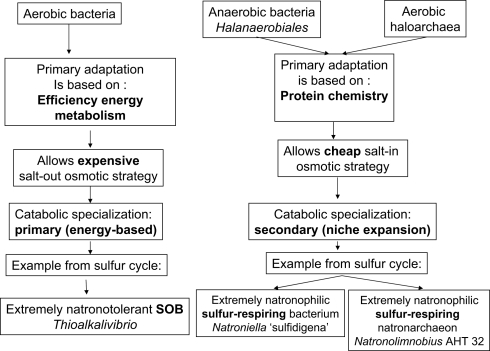
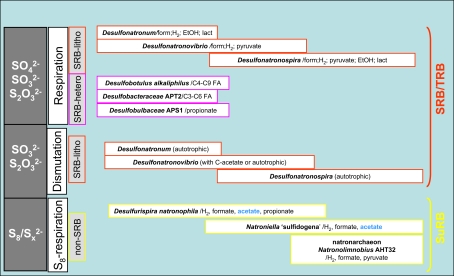
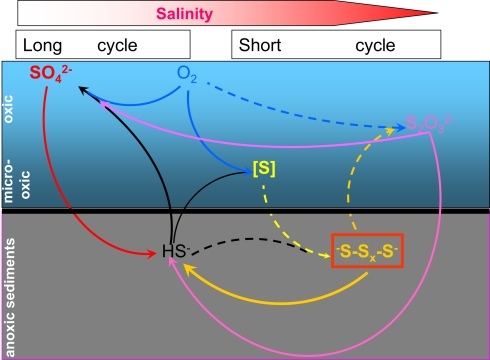
Soda lakes represent a unique ecosystem with extremely high pH (up to 11) and salinity (up to saturation) due to the presence of high concentrations of sodium carbonate in brines. Despite these double extreme conditions, most of the lakes are highly productive and contain a fully functional microbial system. The microbial sulfur cycle is among the most active in soda lakes. One of the explanations for that is high-energy efficiency of dissimilatory conversions of inorganic sulfur compounds, both oxidative and reductive, sufficient to cope with costly life at double extreme conditions. The oxidative part of the sulfur cycle is driven by chemolithoautotrophic haloalkaliphilic sulfur-oxidizing bacteria (SOB), which are unique for soda lakes. The haloalkaliphilic SOB are present in the surface sediment layer of various soda lakes at high numbers of up to 10(6) viable cells/cm(3). The culturable forms are so far represented by four novel genera within the Gammaproteobacteria, including the genera Thioalkalivibrio, Thioalkalimicrobium, Thioalkalispira, and Thioalkalibacter. The latter two were only found occasionally and each includes a single species, while the former two are widely distributed in various soda lakes over the world. The genus Thioalkalivibrio is the most physiologically diverse and covers the whole spectrum of salt/pH conditions present in soda lakes. Most importantly, the dominant subgroup of this genus is able to grow in saturated soda brines containing 4 M total Na(+) - a so far unique property for any known aerobic chemolithoautotroph. Furthermore, some species can use thiocyanate as a sole energy source and three out of nine species can grow anaerobically with nitrogen oxides as electron acceptor. The reductive part of the sulfur cycle is active in the anoxic layers of the sediments of soda lakes. The in situ measurements of sulfate reduction rates and laboratory experiments with sediment slurries using sulfate, thiosulfate, or elemental sulfur as electron acceptors demonstrated relatively high sulfate reduction rates only hampered by salt-saturated conditions. However, the highest rates of sulfidogenesis were observed not with sulfate, but with elemental sulfur followed by thiosulfate. Formate, but not hydrogen, was the most efficient electron donor with all three sulfur electron acceptors, while acetate was only utilized as an electron donor under sulfur-reducing conditions. The native sulfidogenic populations of soda lakes showed a typical obligately alkaliphilic pH response, which corresponded well to the in situ pH conditions. Microbiological analysis indicated a domination of three groups of haloalkaliphilic autotrophic sulfate-reducing bacteria belonging to the order Desulfovibrionales (genera Desulfonatronovibrio, Desulfonatronum, and Desulfonatronospira) with a clear tendency to grow by thiosulfate disproportionation in the absence of external electron donor even at salt-saturating conditions. Few novel representatives of the order Desulfobacterales capable of heterotrophic growth with volatile fatty acids and alcohols at high pH and moderate salinity have also been found, while acetate oxidation was a function of a specialized group of haloalkaliphilic sulfur-reducing bacteria, which belong to the phylum Chrysiogenetes.
Keywords: soda lakes; sulfate-reducing bacteria; sulfidogenesis; sulfur reduction; sulfur-oxidizing bacteria; thiosulfate reduction.
Figures
References
-
- Abildgaard L., Nielsen M. B., Kjeldsen K. U., Ingvorsen K. (2006). Desulfovibrio alkalitolerans sp. nov., a novel alkalitolerant, sulfate-reducing bacterium isolated from district heating water. Int. J. Syst. Evol. Microbiol. 56, 1019–1024 - PubMed
-
- Banciu H., Sorokin D. Y., Kleerebezem R., Muyzer G., Galinski E. A., Kuenen J. G. (2004a). Influence of sodium on the growth of haloalkaliphilic sulfur-oxidizing bacterium Thioalkalivibrio versutus strain ALJ 15 in continuous culture. Extremophiles 8, 185–192 10.1007/s00792-004-0376-5 - DOI - PubMed
-
- Banciu H., Sorokin D. Y., Galinski E. A., Muyzer G., Kleerebezem R., Kuenen J. G. (2004b). Thialkavibrio halophilus sp. nov., a novel obligately chemolithoautotrophic facultatively alkaliphilic and extremely salt-tolerant sulfur-oxidizing bacterium from a hypersaline alkaline lake. Extremophiles 8, 325–334 10.1007/s00792-004-0391-6 - DOI - PubMed
-
- Banciu H., Sorokin D. Y., Tourova T. P., Galinski E. A., Muntyan M. S., Kuenen J. G., Muyzer G. (2008). Influence of salts and pH on growth and activity of a novel facultatively alkaliphilic, extremely salt-tolerant, obligately chemolithoautotrophic sufur-oxidizing gammaproteobacterium Thioalkalibacter halophilus gen. nov., sp. nov. from south-western Siberian soda lakes. Extremophiles 12, 391–404 10.1007/s00792-008-0142-1 - DOI - PubMed
-
- Bezsudnova E. Y., Sorokin D. Y., Tichonova T. V., Popov V. O. (2007). System of primary thiocyanate degradation in a novel halophilic sulfur-oxidizing bacterium Thiohalophilus thiocyanoxidans. Biochim. Biophys. Acta 1774, 1563–1570 - PubMed
LinkOut - more resources
Full Text Sources
Molecular Biology Databases
