Review
. 2011 Aug;32(8):364-72.
doi: 10.1016/j.it.2011.06.001. Epub 2011 Jul 13.

Unifying concepts of MHC-dependent natural killer cell education

Affiliations
Review

Unifying concepts of MHC-dependent natural killer cell education

Julie M Elliott et al. Trends Immunol. 2011 Aug.

Abstract

Natural killer (NK) cells, like B and T lymphocytes, are potent effector cells that are crucial for immunity to tumors and infections. These effector responses must be controlled to avoid inadvertent attack against normal self. Yet, the mechanisms that guide NK cell tolerance differ from those guiding T and B cell tolerance. Here, we discuss how NK cells are licensed by self-MHC class I molecules through their inhibitory receptors which results in NK cell functional competence to be triggered through their activation receptors. We discuss recent data with respect to issues related to licensing, thereby providing a framework for unifying concepts on NK cell education.


Figures

Figure 1
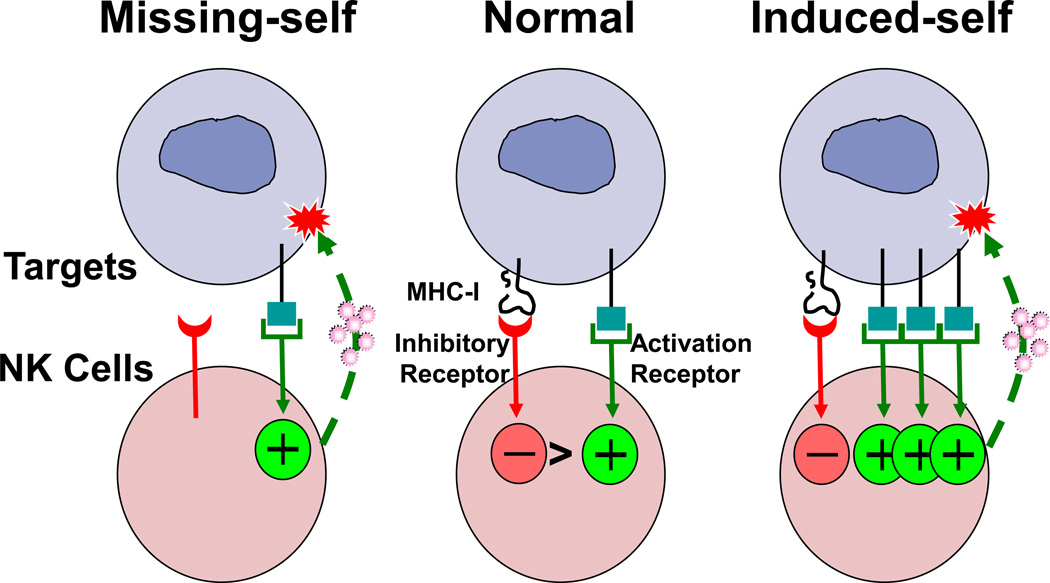
Figure 1. Effector responses of NK cells are regulated by inhibitory and activation receptors
NK cells express receptors specific for ligands expressed on targets. Under normal circumstances, inhibitory receptors (in red) for MHC class I deliver signals that dominate over stimulation through activation receptors (in green) (middle pair of cells). When MHC class I is down-regulated, as in “missing-self,” activation receptors stimulate NK cell cytolysis of a target via exocytosis of granules (left). When a target is “stressed,” ligands for the NKG2D activation receptor are induced, as in “induced-self,” permitting NK cell activation by overcoming MHC class I-dependent inhibition (right). Depicted here is granule exocytosis against a target. NK cell responses also include cytokine production, regulated in the same way by signaling through a combination of activation and inhibitory receptors (not shown).
Figure 2
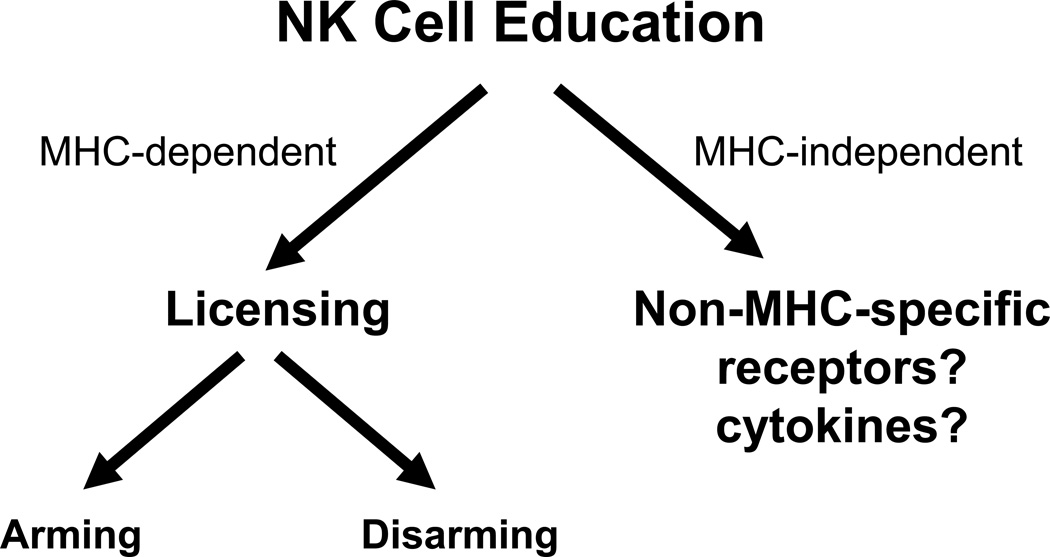
Figure 2. Terminology of NK cell education
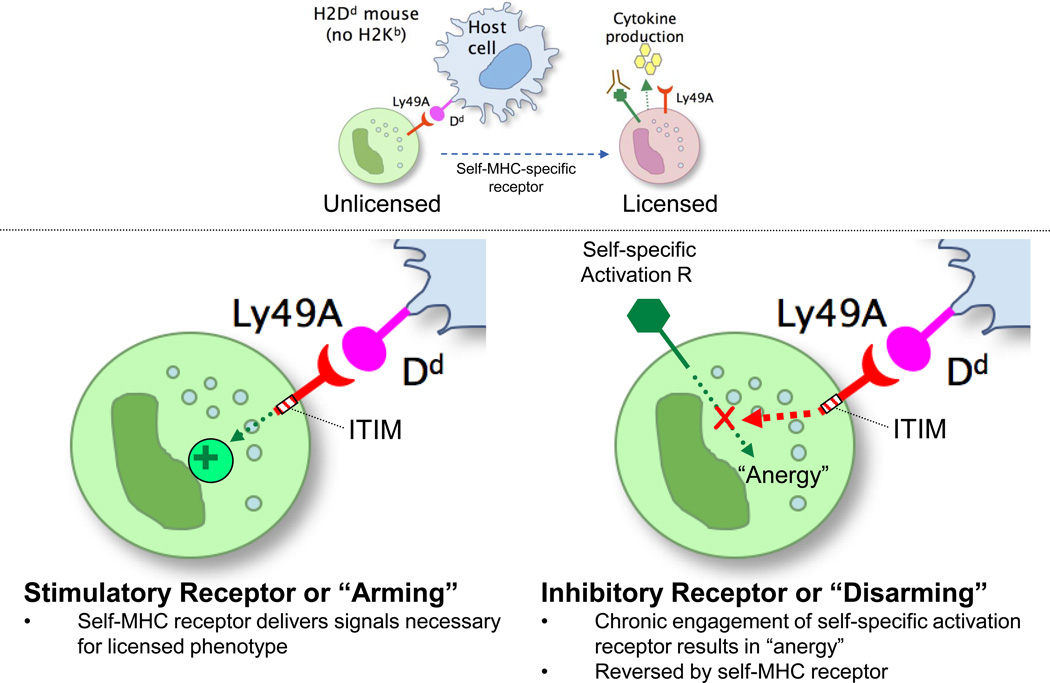
NK cell education (acquisition of effector function) can be divided into two major processes: MHC-independent and MHC-independent. MHC-dependent education, otherwise known as licensing, could be due to two major possible mechanisms, arming or disarming. The arming hypothesis proposes that the self-MHC-specific receptor confers the signals necessary to confer the licensed phenotype whereas the disarming hypothesis suggests the presence of a self-specific activation receptor. If unperturbed, this activation receptor results in chronic stimulation and an anergic-like, hypofunctional state. The self-MHC-specific MHC receptor would then modulate the action of the activation receptor and lead to a licensed NK cell. MHC-independent education could arise from non-MHC-specific receptors or cytokine stimulation.
Figure 3
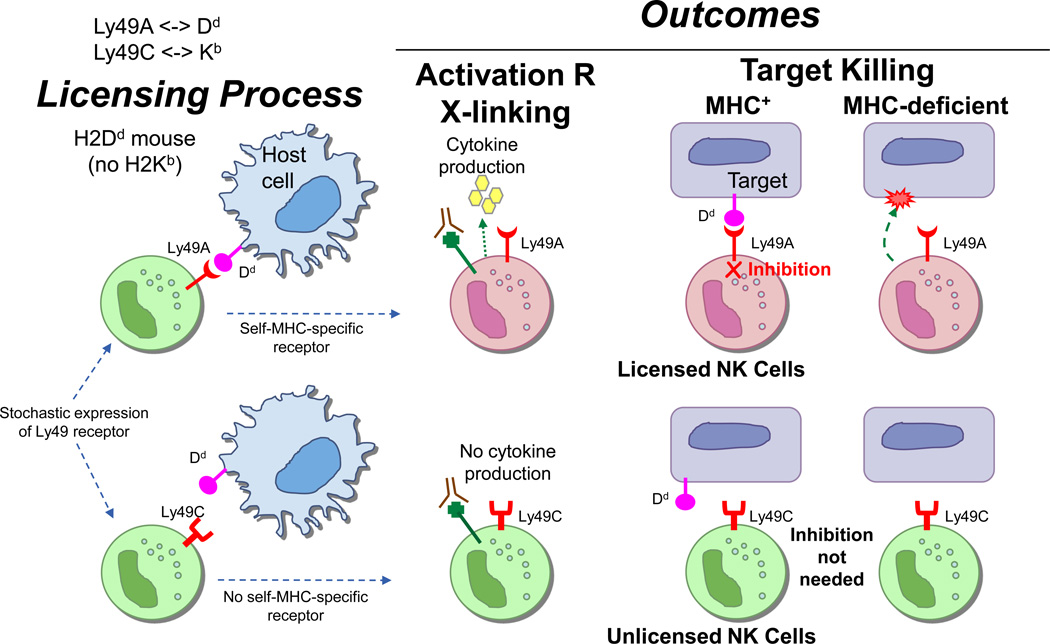
Figure 3. Licensing results in two types of self-tolerant NK cells with respect to self-MHC
Depicted is the situation in a mouse expressing only H2Dd which, for the sake of simplicity in this diagram, can only be recognized by Ly49A and not by Ly49C. Due to stochastic (probabilistic) [74] expression of Ly49 receptors, only cells expressing Ly49A will engage H2Dd as self-MHC, resulting in licensed NK cells. When their activation receptors are cross-linked, they readily produce cytokines. They are also capable of attacking targets lacking self-MHC and are tolerant to self because they are inhibited by self-MHC, through the same receptor (Ly49A) that conferred licensing. By contrast, NK cells not expressing Ly49A are not licensed by self-MHC, even though they express another Ly49 receptor such as Ly49C. They poorly produce cytokines when their activation receptors are cross-linked, and they are tolerant to self because they cannot be activated by targets, even those lacking self-MHC. In this context, inhibition by MHC I is not needed to achieve tolerance. To avoid clutter, activation receptors that trigger killing of susceptible targets are not shown. Adapted from [31].
Figure 4
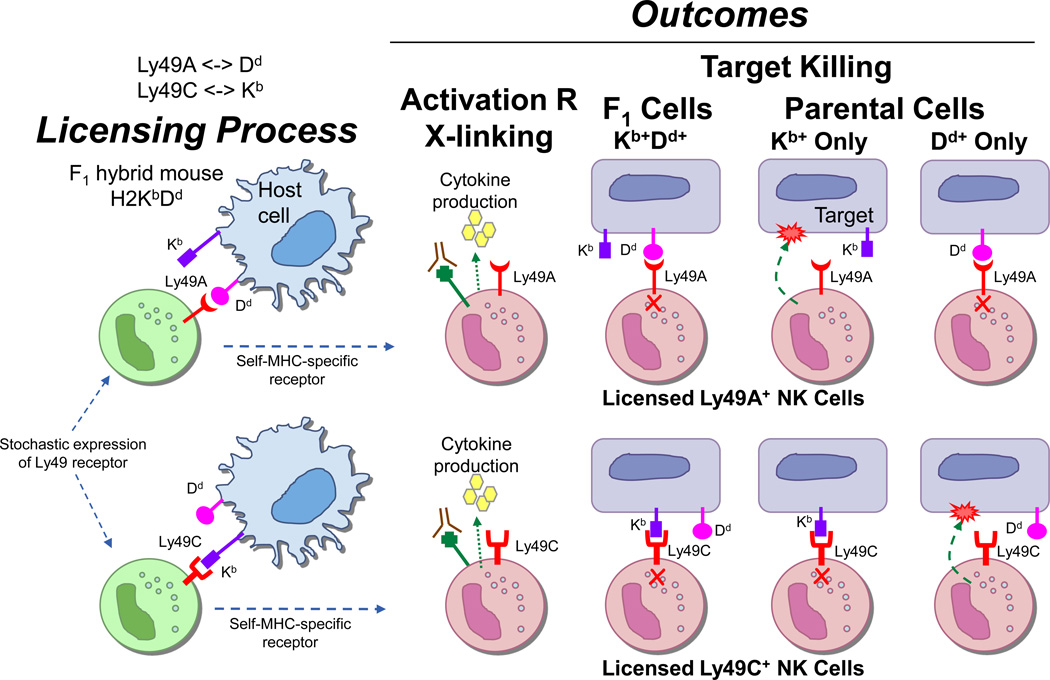
Figure 4. Hybrid resistance is compatible with licensing
Depicted is the situation in a F1 hybrid mouse expressing H2Kb and H2Dd which, for the sake of simplicity in this diagram, can only be recognized by Ly49C and Ly49A, respectively. Both Ly49A+ and Ly49C+ NK cells are licensed by host MHC class I alleles. However, since they are separately licensed, they manifest different reactivities against parental targets lacking one or the other MHC class I allele, as illustrated. To avoid clutter, activation receptors that trigger killing of susceptible targets are not shown.
Figure 5
Figure 5. Arming versus disarming models
Depicted are the two major mechanisms, arming and disarming, that have been proposed to explain how the self-MHC-specific receptor confers licensing upon contact with self-MHC.

References

    1. Yokoyama WM. Natural killer cells. In: Paul WE, editor. Fundamental Immunology. 6th edn. Chapter16. Lippincott-Raven; 2008. pp. 483–517.
    1. Lanier LL. NK cell recognition. Annu Rev Immunol. 2005;23:225–274. - PubMed
    1. Kumar V, McNerney ME. A new self: MHC-class-I-independent natural-killer-cell self-tolerance. Nat Rev Immunol. 2005;5(5):363–374. - PubMed
    1. Grundemann C, et al. Cutting edge: identification of E-cadherin as a ligand for the murine killer cell lectin-like receptor G1. J Immunol. 2006;176(3):1311–1315. - PubMed
    1. Ito M, et al. Killer cell lectin-like receptor G1 binds three members of the classical cadherin family to inhibit NK cell cytotoxicity. J Exp Med. 2006;203(2):289–295. - PMC - PubMed

Publication types

Substances