


Effects of xylitol on metabolic parameters and visceral fat accumulation
- PMID: 21765599
- PMCID: PMC3128359
- DOI: 10.3164/jcbn.10-111
Effects of xylitol on metabolic parameters and visceral fat accumulation
Abstract
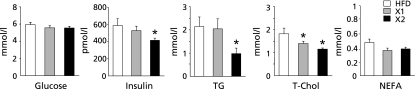
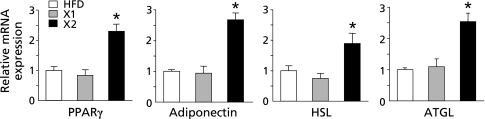
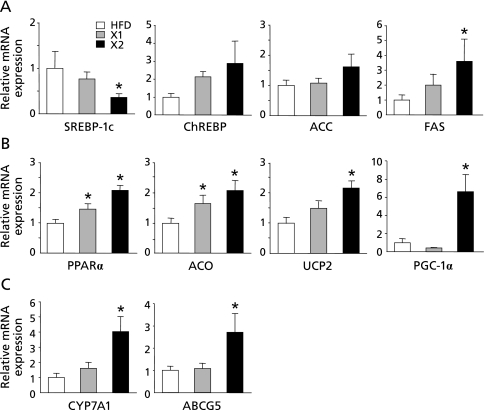
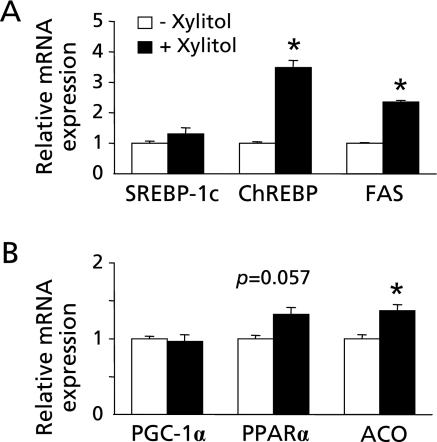
Xylitol is widely used as a sweetener in foods and medications. Xylitol ingestion causes a small blood glucose rise, and it is commonly used as an alternative to high-energy supplements in diabetics. In previous studies, a xylitol metabolite, xylulose-5-phosphate, was shown to activate carbohydrate response element binding protein, and to promote lipogenic enzyme gene transcription in vitro; however, the effects of xylitol in vivo are not understood. Here we investigated the effects of dietary xylitol on lipid metabolism and visceral fat accumulation in rats fed a high-fat diet. Sprague-Dawley rats were fed a high-fat diet containing 0 g (control), 1.0 g/100 kcal (X1) or 2.0 g/100 kcal (X2) of xylitol. After the 8-week feeding period, visceral fat mass and plasma insulin and lipid concentrations were significantly lower in xylitol-fed rats than those in high-fat diet rats. Gene expression levels of ChREBP and lipogenic enzymes were higher, whereas the expression of sterol regulatory-element binding protein 1c was lower and fatty acid oxidation-related genes were significantly higher in the liver of xylitol-fed rats as compared with high-fat diet rats. In conclusion, intake of xylitol may be beneficial in preventing the development of obesity and metabolic abnormalities in rats with diet-induced obesity.
Keywords: lower insulin level; high fat diet; lipid metabolism; visceral fat; xylitol.
Figures
References
-
- Després JP, Lemieux I. Abdominal obesity and metabolic syndrome. Nature. 2009;444:881–887. - PubMed
-
- Bray GA, Lovejoy JC, Smith SR, et al. The influence of different fats and fatty acids on obesity, insulin resistance and inflammation. J Nutr. 2002;132:2488–2491. - PubMed
-
- Watanabe K, Arozal W, Tanaka H, et al. Beneficial effect of food substitute containing L-arginine, omega-3 poly unsaturated fatty acid, and ribonucleic acid in preventing or improving metabolic syndrome: a study in 15 overweight patients and a study of fatty acid metabolism in animals. J Clin Biochem Nutr. 2009;44:266–174. - PMC - PubMed
LinkOut - more resources
Full Text Sources
Other Literature Sources
