


The CALERIE Study: design and methods of an innovative 25% caloric restriction intervention
- PMID: 21767664
- PMCID: PMC3185196
- DOI: 10.1016/j.cct.2011.07.002
The CALERIE Study: design and methods of an innovative 25% caloric restriction intervention
Abstract
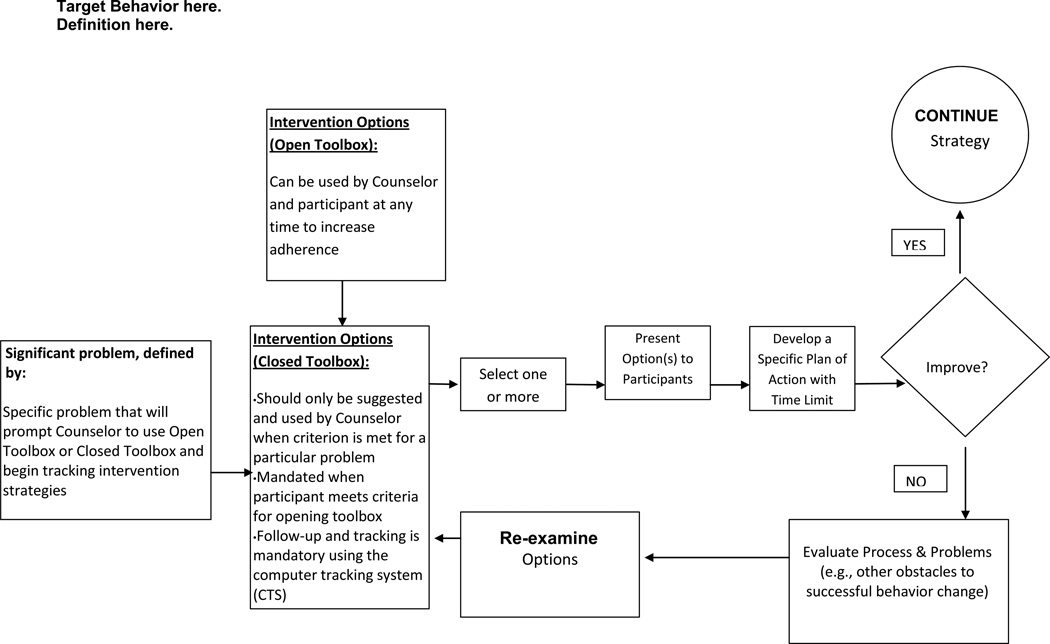
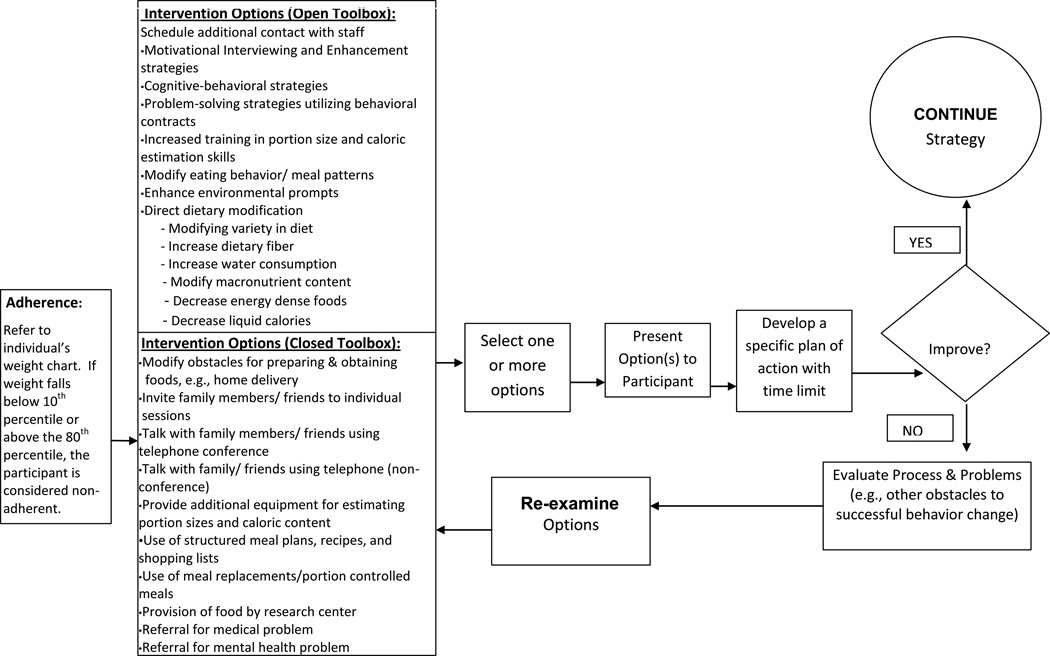
Animal studies have shown that life span is extended by caloric restriction (CR). This manuscript describes the design and methodology of an innovative CR intervention, which is the treatment arm of the CALERIE Study. This study is a multi-center, randomized controlled trial examining the effects of 2 years of CR on biomarkers of longevity among non-obese (BMI ≥ 22 kg/m(2) and <28 kg/m(2)) adults. CALERIE is the first investigation of the effects of long-term CR on the aging process in non-obese humans. 220 healthy volunteers across 3 sites were recruited beginning in May 2007. Participants were randomized in a 2:1 ratio between the CR or control group (i.e., ad libitum diet). An intensive intervention was designed to assist participants in adhering to the 25% CR prescription for a two-year duration. The intervention was designed to optimize the likelihood that 25% CR would be achieved through a variety of nutritional and behavioral strategies, several of which are innovative methods for achieving CR. The intervention includes the following components: an intensive, "mixed" format schedule of group/individual sessions, meal provision phase with exposure to various diets, Personal Digital Assistants to monitor caloric intake, unique portion estimation training, tailored treatment using a computer tracking system, toolbox strategies and algorithms, as well as comprehensive coverage of nutrition and behavioral topics in order to assist participants in meeting their CR goal. This manuscript provides an overview of the CR intensive intervention and may be of assistance for other researchers and clinicians in designing future trials.
Copyright © 2011 Elsevier Inc. All rights reserved.
Figures
References
-
- Spindler SR. Calorie restriction enhances the expression of key metabolic enzymes associated with protein renewal during aging. Ann N Y Acad Sci. 2001;928:296–304. - PubMed
-
- Mattison JA, Lane MA, Roth GS, Ingram DK. Calorie restriction in rhesus monkeys. Exp Gerontol. 2003;38:35–46. - PubMed
-
- Bordone L, Guarente L. Calorie restriction, SIRT1 and metabolism: understanding longevity. Nat Rev Mol Cell Biol. 2005;6:298–305. - PubMed
-
- Lee CK, Klopp RG, Weindruch R, Prolla TA. Gene expression profile of aging and its retardation by caloric restriction. Science. 1999;285:1390–1393. - PubMed
Publication types
MeSH terms
Grants and funding
LinkOut - more resources
Full Text Sources
Medical
