


Nutrition transition in the United Arab Emirates
- PMID: 21772317
- PMCID: PMC3304306
- DOI: 10.1038/ejcn.2011.135
Nutrition transition in the United Arab Emirates
Abstract
Background/objectives: The United Arab Emirates has undergone remarkable economic and social transformations over the past few decades. We present findings on the prevalence of overweight and obesity, dietary and activity patterns among Emiratis in 2009/10, and explore associated urbanization and wealth factors.
Subjects/methods: A cross-sectional study was conducted in 628 randomly selected households in all seven emirates. Sociodemographics, 24-h dietary recalls, physical activity and anthropometric data were collected from adult females (≥ 19 years), adolescents (11-18 years) and children (6-10 years) in each family via in-person interviews using validated questionnaires.
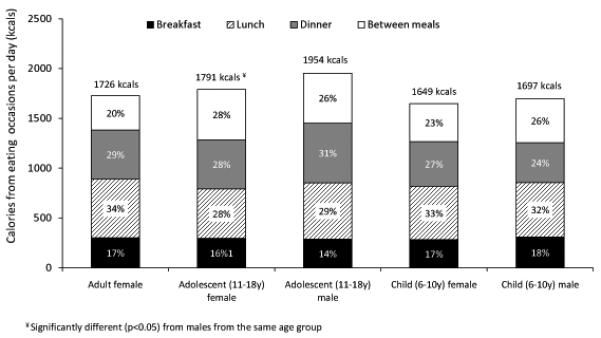
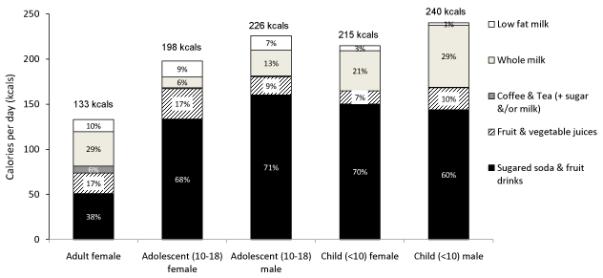
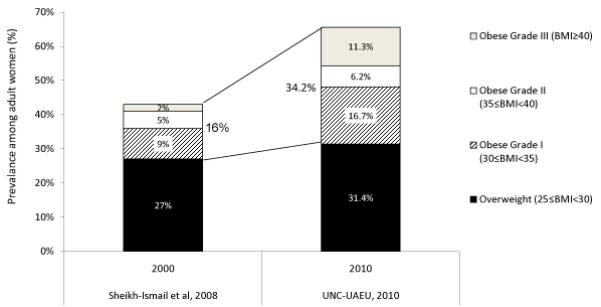
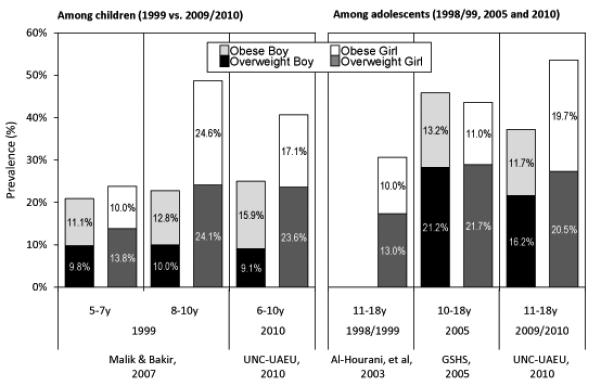
Results: In 2009/10, 65% of adult women, 28% of male adolescents and 40% of female adolescents, 25% of male children and 41% of female children were overweight or obese. 43% of girls and 38% of boys (6-10 years) consumed more calories than their estimated energy requirements. Snacking represents a major source of Emirati caloric intake (>20%) of total calories. In addition, caloric beverages account for 8-14% of total calories. Meanwhile, physical activity levels are low, especially among females Emiratis and those living in urban areas.
Conclusions: These trends represent the potential risk for severe cardiometabolic problems in the United Arab Emirates. The significant gender differentials among children and adolescents are driven by diet and activity differences. More attention should be paid to educate the public on nutrition (for example, limit the consumption of sugared sodas, fruit drinks and whole milk, promote water and low-fat/skim milk consumption instead) and encourage physical activity from a young age, especially among females. Built environments and social support for improved lifestyle choices by individuals are needed.
Figures
References
-
- Al-Amiri HA, Al-Otaibi JA, Al-Foudari MY, Heji AHB. The nutritive value of selected commonly consumed Kuwaiti dishes. Int J Food Sci Nutr. 2009;60:668–676. - PubMed
-
- Al-Hazzaa HM. Health-enhancing physical activity among Saudi adults using the International Physical Activity Questionnaire (IPAQ) Public Health Nutr. 2007;10:59–64. - PubMed
-
- Al-Hourani HM, Henry CJ, Lightowler HJ. Prevalence of overweight among adolescent females in the United Arab Emirates. Am J Hum Biol. 2003;15:758–764. - PubMed
-
- Al-Isa AN, Moussa MA. Factors associated with overweight and obesity among Kuwaiti kindergarten children aged 3-5 years. Nutr Health. 1999;13:125–139. - PubMed
-
- Al-Kandari YY. Prevalence of obesity in Kuwait and its relation to sociocultural variables. Obes Rev. 2006;7:147–154. - PubMed
Publication types
MeSH terms
Grants and funding
LinkOut - more resources
Full Text Sources
Medical
Miscellaneous
